IFAR - Facial Paralysis - Symptoms (1)

Is Paralysis Limiting Your Life?

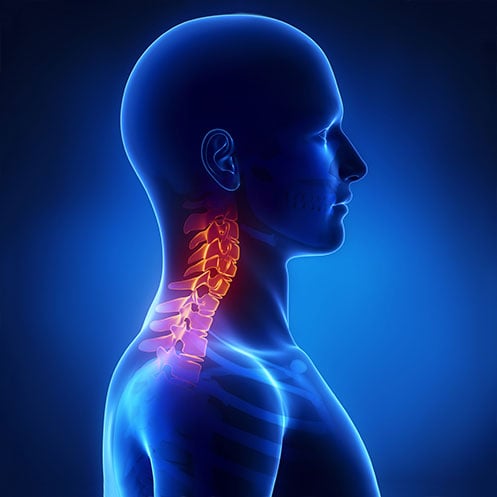
Paralysis is the loss of voluntary movement that happens when communication between the brain, spinal cord, and muscles is disrupted. For some patients, muscles become stiff and tight, making every movement feel like a struggle; for others, the muscles are weak, floppy, and unable to respond at all.

These changes affect more than motion. They influence how you work, care for yourself, interact with loved ones, and move through the world. The goal of our Center is to pinpoint exactly where the communication breakdown has occurred and build a targeted plan that addresses not only the nerves, but also the muscles and joints involved.

You do not have to navigate this alone. Here’s who we help:

p-icon-1
Patients with spastic paralysis after stroke, cerebral palsy, traumatic or anoxic brain injury, or certain spinal cord injuries.
p-icon-2
Patients with flaccid paralysis after brachial plexus injury, peripheral nerve injury, or select spinal cord injuries.
p-icon-3
Patients with a mixed pattern, where some muscles are stiff and others are weak or floppy in the same limb.
p-icon-5
Children and adults who have tried therapy, bracing, and injections but still live with deformity, loss of function, or caregiving challenges.
p-icon-6
People whose paralysis has led to joint contractures, limb deformity, or difficulty with positioning, hygiene, and daily care.
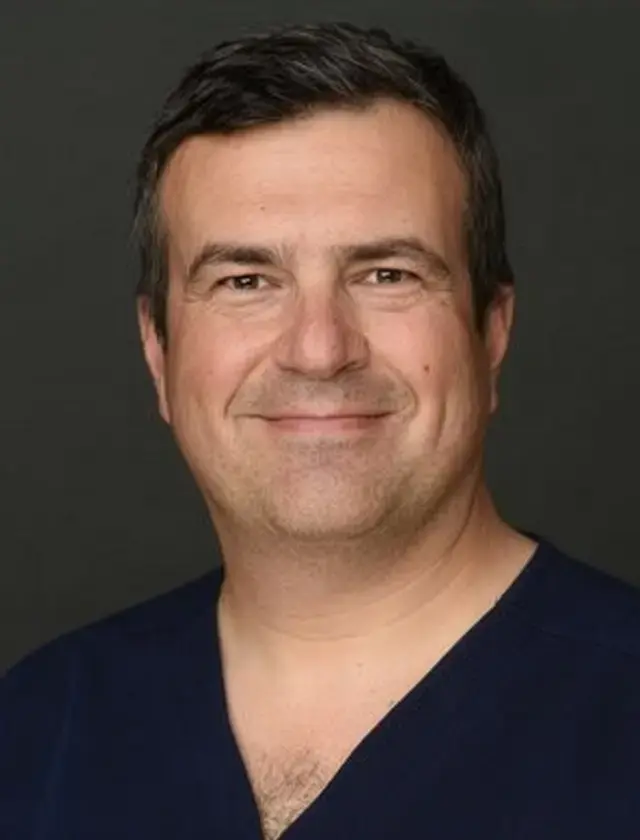
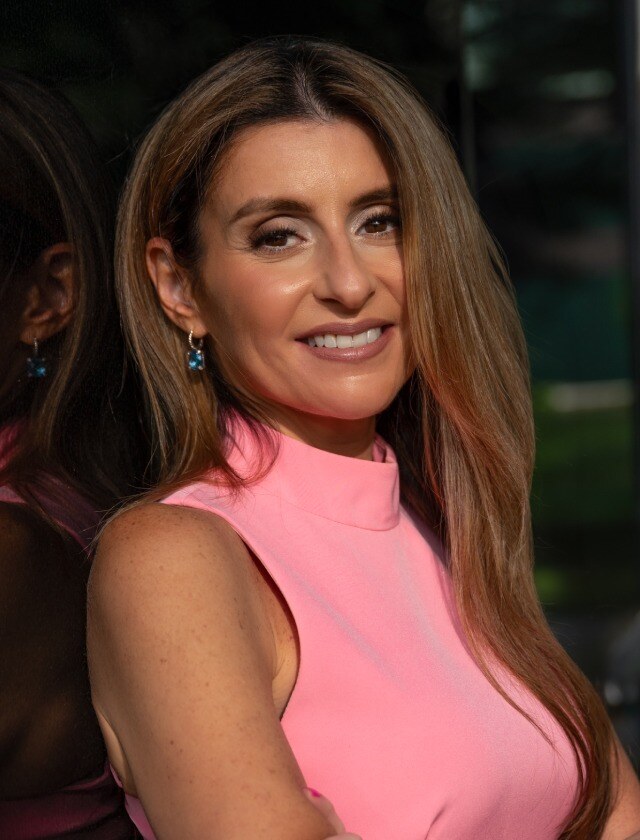
"I would like to thank Dr. Lakhiani for a wonderful experience at my recent appointment. You don't find many doctors, especially in my area, that are so pleasant and easy to talk to. From the front desk to the nurses to Dr. Lakhiani himself everyone was so nice and a pleasure to talk to. Dr. Lakhiani was very informative and actually listened to what I had to say. Always smiling and even joking a bit made the stress and tension of a doctor's visit melt away. It was like we knew each other for years and he made me feel comfortable and not self conscious at all about my condition of facial paralysis. I would highly recommend and look forward to hearing my options on my follow up appointment. Thank you Dr. Lakhiani and staff you are the best."
Christian R.
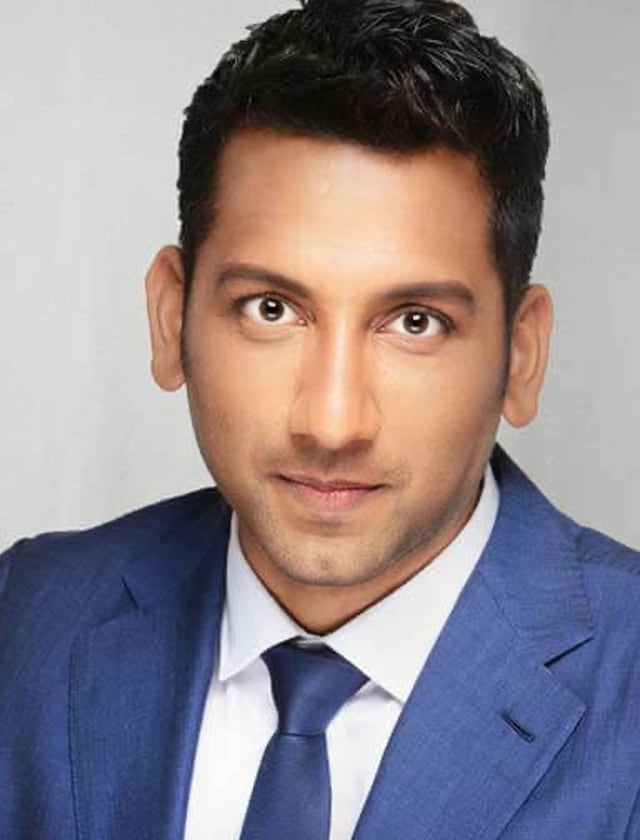
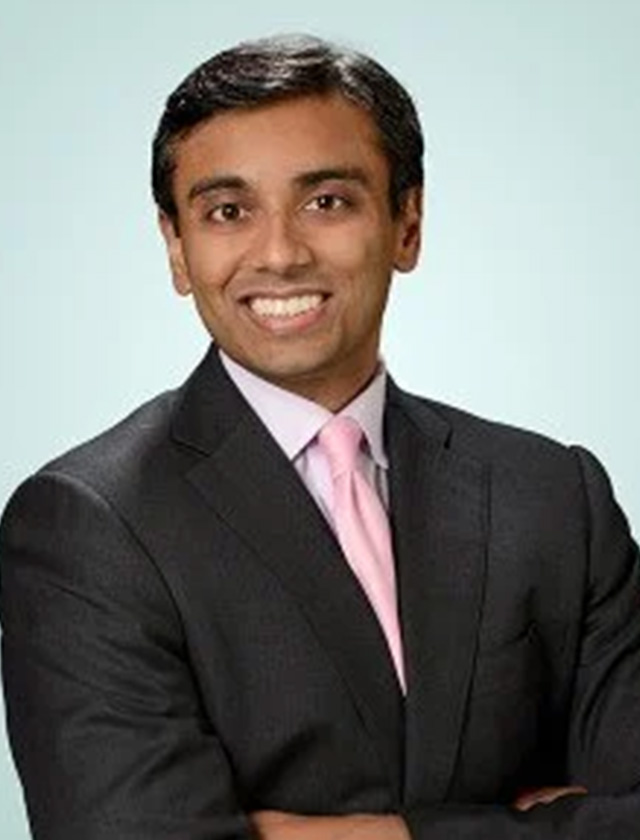
"Dr. Shah is highly skilled with a friendly, compassionate manner. He spent time to thoroughly examine my painful issue in my left thumb joint. Dr. Shah offered multiple options to resolve it and also took the time to explain the issue, each treatment option and the expected outcomes of each. Once we settled on the course of action, his treatment effectively resolved my issue and now I’m pain free and have excellent movement. I highly recommend seeing Dr. Shah. The office staff is also very efficient and excellent at managing the office with social distancing practices."
Sheetal P.
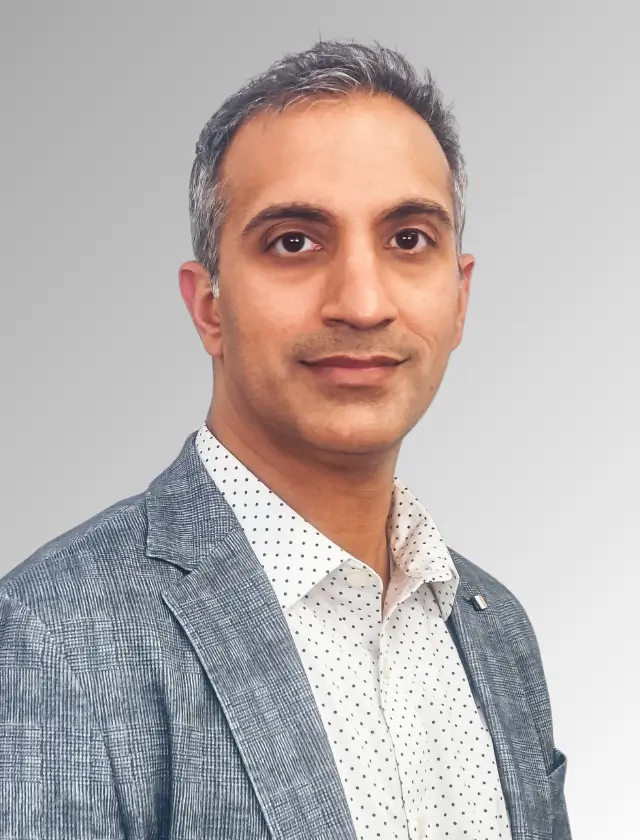
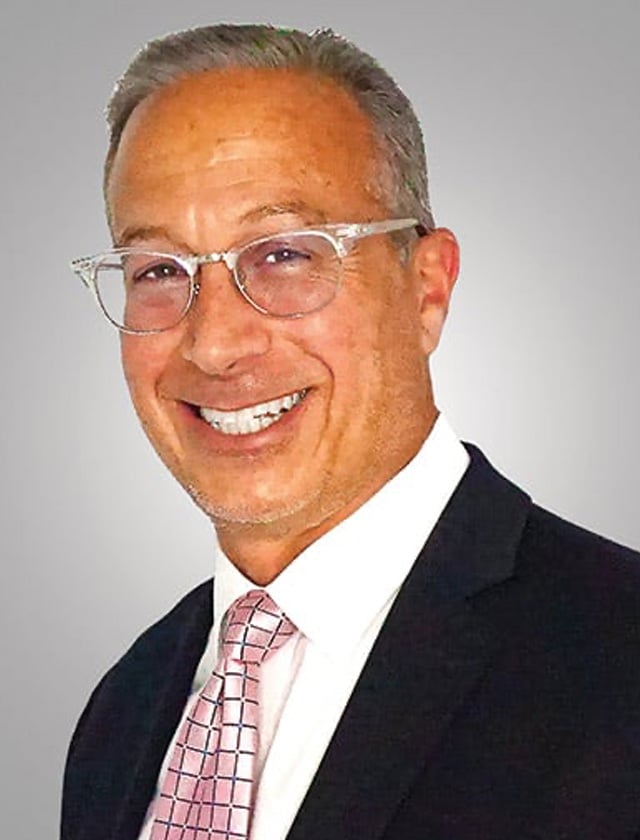
"I had a very traumatic accident involving my left hand that required surgery and occupational therapy. Dr. Iyer was assigned to my case at the hospital. From the very beginning he was so kind, compassionate and extremely professional. He is an expert in his craft and knew immediately what my treatment plan would entail. He was very positive yet realistic about my prognosis answering all of my questions with patience and expert advice. He put me and my family at ease with his trustworthy style and approach. The surgery was a complete success! After months of rehab I have regained most of my strength and movement and I truly believe it was due to Dr Iyer extensive knowledge and expertise. He is the best!! His entire practice was very helpful and very kind as well. I strongly recommend Dr. Iyer and his team. I will be forever grateful for them."
John M.
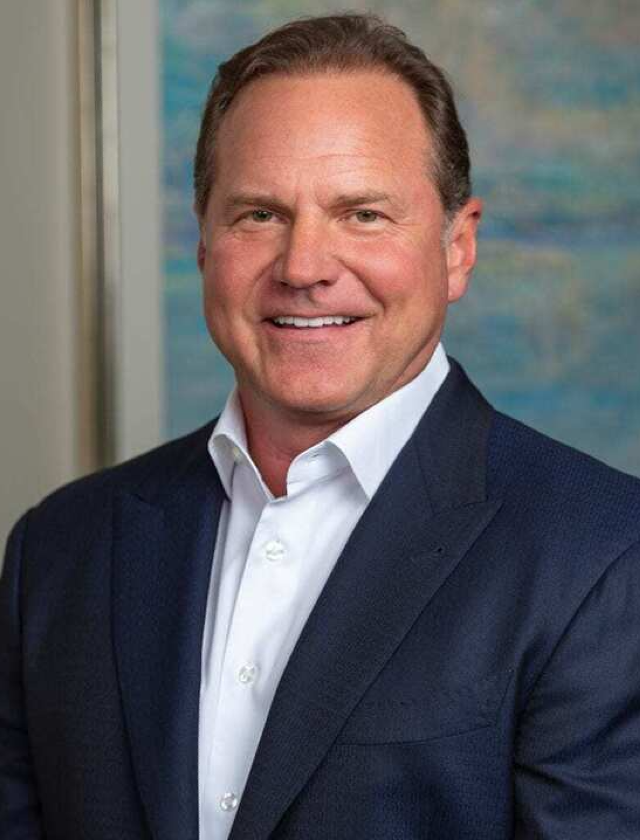
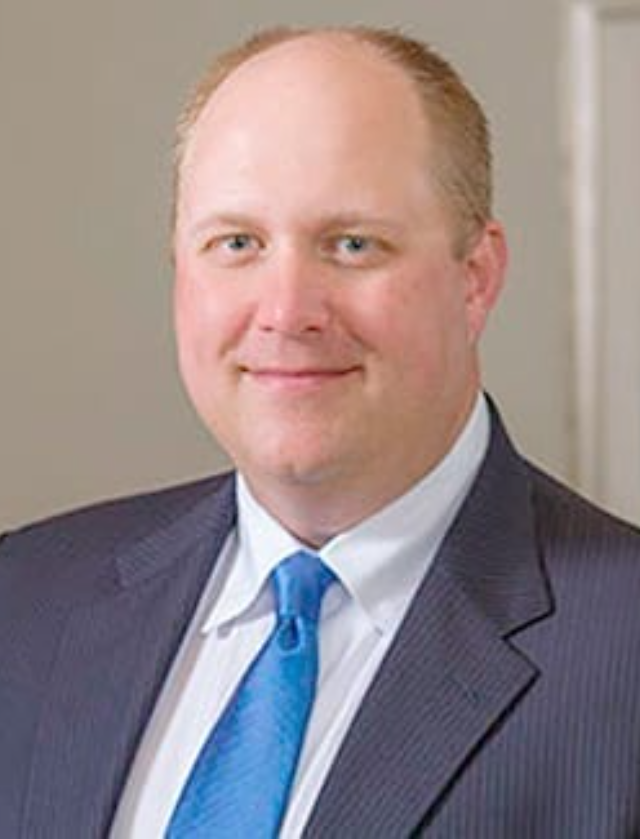
"Dr. Iyer came highly recommended to us after our son suffered a serious hand injury that required emergency surgery, and he exceeded every expectation we had. Not only is he an exceptionally skilled surgeon, but he is also incredibly caring and compassionate Dr. From the very beginning, he took the time to walk us through each step of the procedure, making sure we understood what to expect and felt comfortable during a very stressful time. The surgery itself was complex, but thanks to Dr. Iyer’s expertise, it was a complete success. His attentiveness didn’t stop there—his post-operative care was just as impressive. He closely monitored our son’s recovery, answered all of our questions, and made us feel supported every step of the way. Thanks to his outstanding care, our son is now fully back to regular activities ahead of schedule, which we are so grateful for. While we hope we won’t need his services again anytime soon, we would not hesitate for a second to recommend Dr. Iyer to anyone in need of a highly skilled and compassionate surgeon."
David L.

Types of Paralysis We Treat

Our specialists diagnose and treat a wide spectrum of paralytic conditions that are often managed piecemeal elsewhere. Here, they are brought together under one coordinated surgical and rehabilitation program.
Spastic Paralysis
Flaccid Paralysis

Spastic Paralysis

Spastic paralysis occurs when the upper motor neurons in the brain and upper spinal cord are damaged. These neurons normally act as a command center and braking system—planning movement and keeping reflexes under control. When they are injured, muscles become overactive and stiff, leading to spasticity, progressive muscle shortening, and joint contractures.

Learn more about:

  • Spastic Paralysis – Overview of causes, symptoms, and treatment options.
  • Stroke (CVA) – Spasticity and limb deformity after stroke.
  • Aneurysm Rupture and Brain Bleeds – Spastic paralysis after intracranial hemorrhage.
  • Traumatic Brain Injury / Anoxic Brain Injury – Movement problems following head trauma or oxygen loss.
  • Cerebral Palsy – Lifelong spasticity affecting upper and/or lower extremities.
  • Upper Extremity Spasticity – Stiff shoulders, elbows, wrists, and hands.
  • Lower Extremity Spasticity – Equinus, crouch, or scissoring gait patterns.
  • Facial Spasticity – Involuntary facial contractions and abnormal positioning.

Flaccid Paralysis

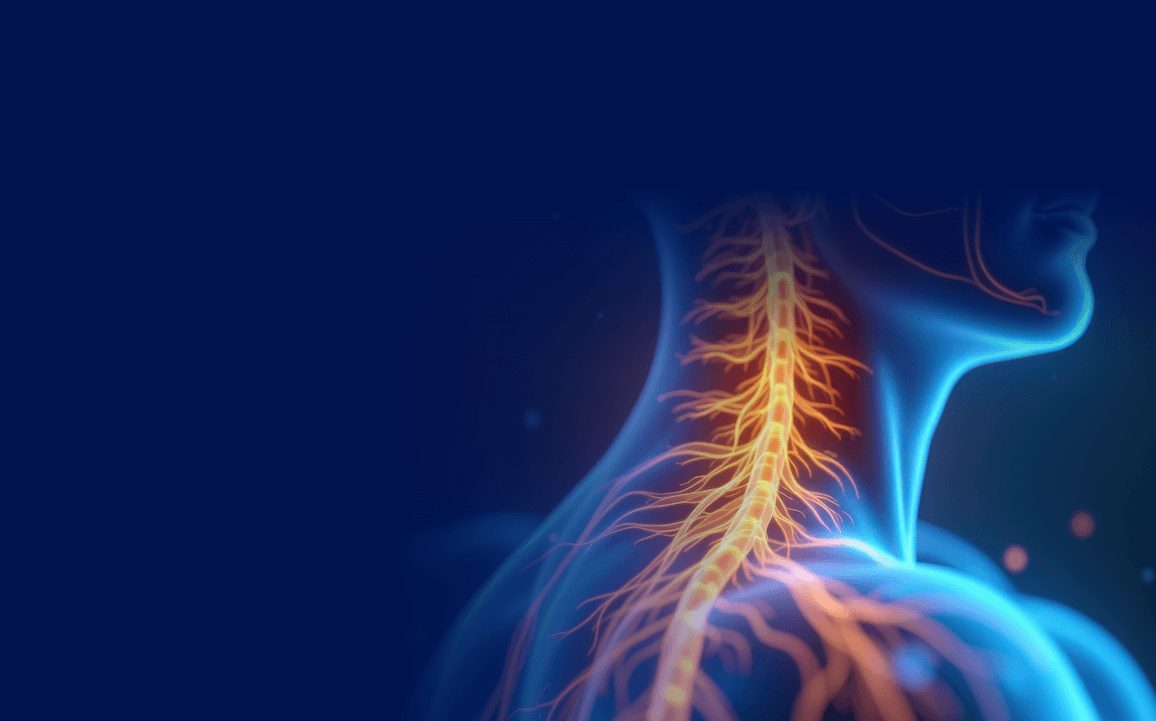
Flaccid paralysis occurs when the lower motor neurons—the peripheral nerves and roots that carry signals from the spinal cord to the muscles—are damaged. Without this final link in the chain, muscles become weak, soft, and unresponsive, and over time they may shrink due to lack of use.

Learn more about:

How Paralysis Develops and Why Timing Matters

Top Docs 25 badge
njtopdocs2025
Monmouth County Top Docs

Paralysis is not static. Without the right interventions, it follows a predictable path that can make treatment more complex over time.

  • In spastic paralysis, loss of upper motor neuron control removes the brain’s braking system. Reflexes become overactive, leading to increased tone, muscle shortening, and eventually fixed joint contractures if not addressed.

  • In flaccid paralysis, loss of nerve signal prevents muscles from contracting. Muscles weaken and atrophy, and joints can become stiff if they are not moved regularly.

Our team uses a structured progression model to guide treatment:

  • Increased tone → addressed with nerve‑based procedures and injection management.

  • Muscle shortening → addressed with muscle or tendon lengthening and focused therapy.

  • Joint contracture → addressed with joint release procedures when the joint itself is stiff.

By treating only what is present—nerve, muscle, joint, or all three—we avoid overtreatment while still fully addressing the functional problem.


IFAR - ICON - Nerve pain copy

Advanced Procedures That Relieve Chronic Pain

Every case of paralysis is unique, and no single operation fits every patient, which is why we tailor surgery to your specific pattern of dysfunction and goals. At the Center for Surgical Treatment of Paralysis, we design surgical plans around the level of dysfunction and goals of each individual.

These surgical options are always paired with intensive therapy before and after surgery to maintain motion, retrain movement patterns, and protect the reconstruction.
Nerve-Based Procedures and Denervation:
Target abnormal nerve signals in spastic paralysis to reduce tone and improve range of motion. Read More
Nerve Transfers:
Reroute healthy donor nerves to reanimate muscles that have lost their original nerve supply in flaccid paralysis. Read More
Muscle Transfers:
Move functioning muscles to take over essential motions when original muscles cannot be salvaged. Read More
Muscle and Tendon Lengthening:
Lengthen shortened muscles and tendons to correct deformity and allow joints to move more freely. Read More
Joint Release Procedures:
Release tight joint capsules and soft tissues when longstanding contracture prevents motion. Read More

Why Patients Choose The Institute’s Paralysis Center

The Center for Surgical Treatment of Paralysis brings together a team uniquely equipped to manage complex spastic and flaccid paralysis:

IFAR - ICON -People with chronic swelling, nerve compression, or pain that worsens with movement. copy
Fellowship‑trained paralysis and peripheral nerve surgeons with expertise in nerve, muscle, and joint reconstruction.
IFAR - Icon - experience daily discomfort
A dedicated physiatrist specializing in paralysis and image‑guided injections for spasticity.
Icon-breath profile person lungs-white
Highly trained physical and occupational therapists experienced in intensive rehabilitation for paralysis patients.
IFAR - ICON - Nerve pain copy
Close collaboration with neurologists, neurosurgeons, and pediatric orthopedic surgeons to coordinate care across diagnoses and ages.
Our approach is grounded in clear diagnostic criteria, attention to safety and complication risk, and thoughtful patient selection. Patients come to us when they need a center that can address the full spectrum of paralysis—from early changes in tone to longstanding contractures—with a single, integrated plan.
Why Patients Choose The Institute When Others Can’t Help (1) copy
Why Patients Choose The Institute When Others Can’t Help (3) copy
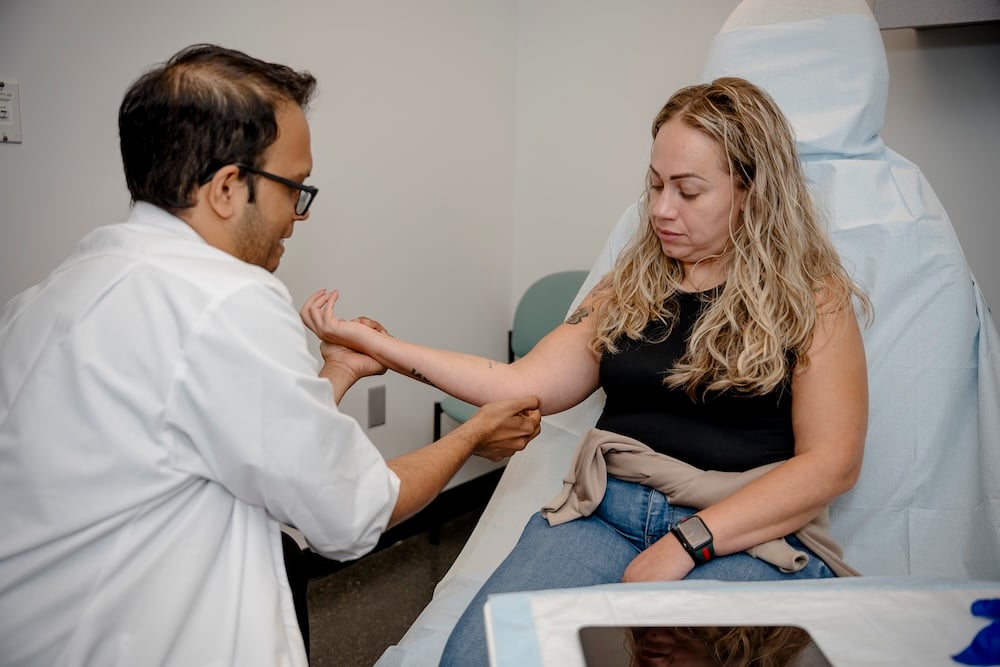
Dr. Iyer Examining a Patient
1,000
Nerve Surgeries
Performed
20
Peer-Reviewed
Studies Published
250
Global Patients
Served
30
Years Pioneering
Microsurgical Techniques

Want to know how our breakthroughs translate into better outcomes?

pelvic-pain

The Critical Role of
Therapy and Physiatry

Surgery is only one part of successful paralysis care. Physical and occupational therapy, guided by a physiatrist, are essential at every step.

  • Therapy helps prevent joint stiffness, reduce muscle shortening, maintain mobility, and retrain the brain and muscles to use new nerve pathways after surgery.

  • Custom splints and braces position limbs for comfort and function and protect surgical corrections during healing.

  • Physiatry (PM&R) provides expert direction for therapy plans, prescribes medications, and offers targeted Botox or phenol injections to manage spasticity when appropriate.

We often describe joints as ‘hinges on a door’—they must keep moving to stay healthy, or they risk becoming stiff and limiting future reconstruction. Before we reanimate a limb with nerve or muscle surgery, we make sure those hinges are not “rusty.”

See How We’re Restoring Movement

Dr. Iyer - HUES (5)
YouTube Thumbnails (13)
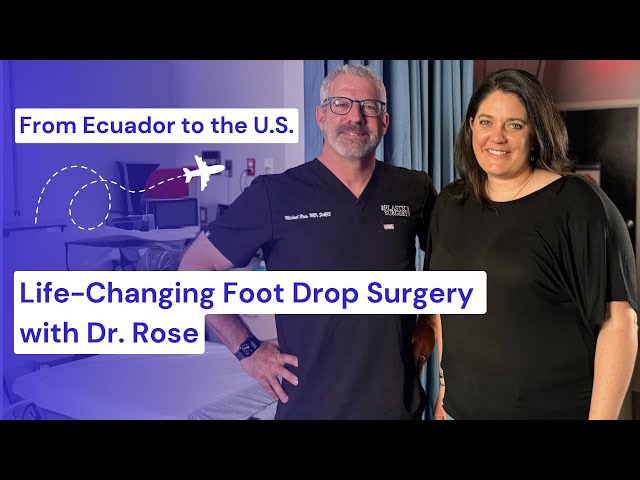
Megan’s Journey from Ecuador for Life-Changing Foot Drop Surgery

Meet Our Paralysis Surgeons

Behind every successful reconstruction is a team that understands the complexity of nerve injury and the impact of paralysis on daily life. Our surgeons in the Center for Surgical Treatment of Paralysis offer options that are not widely available elsewhere.
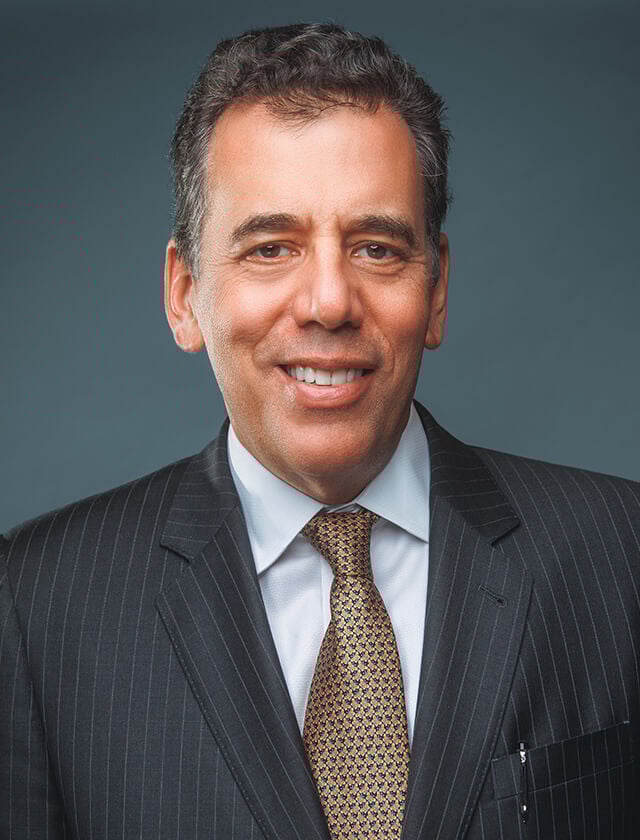
Michael Rose

Andrew Elkwood

MD, MBA, FACS
Michael Rose

Hamid Abdollahi

MD, FACS
Michael Rose

Peter Andrawes

MD
Michael Rose

Beth Anglin

MD, FACS
Michael Rose

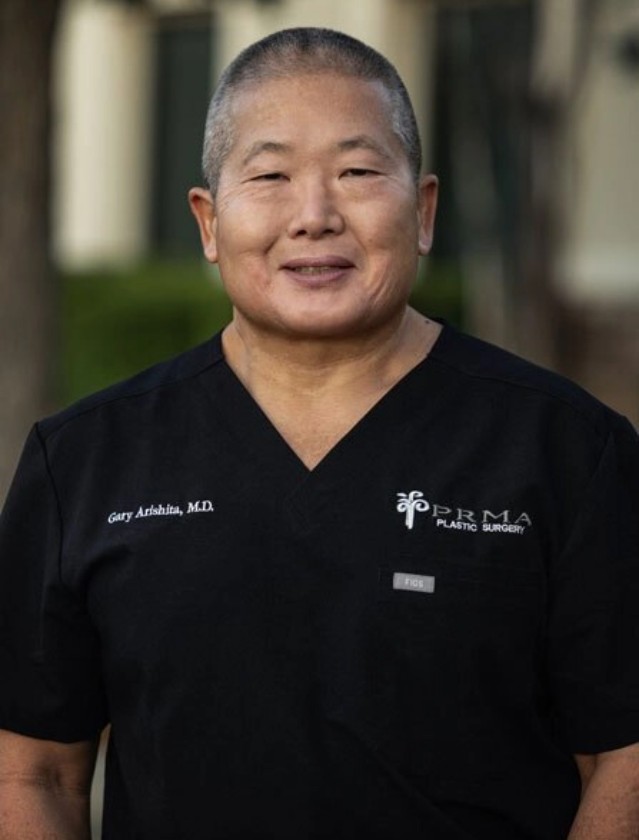
Gary Arishita

MD
Michael Rose

Russell Ashinoff

MD, FACS
Michael Rose

Sean Boutros

MD, FACS
Michael Rose

Anjeanette Brown

MD, FACS
Michael Rose

David Cabiling

MD
Michael Rose

Courtney Carpenter

MD
Michael Rose

Stephen Chagares

MD
Michael Rose

Eric I. Chang

MD, FACS
Michael Rose

Ann Chuang

MD, FACS
Michael Rose

Frank Ciminello

MD, FACS
Michael Rose

Kari L. Colen

MD, FACS
Michael Rose

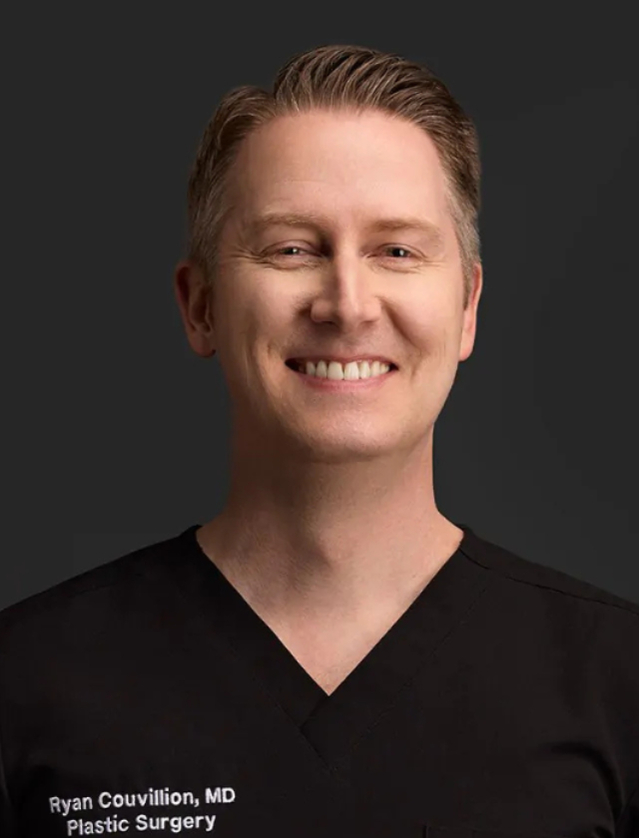
Ryan Couvillion

MD
Michael Rose

Desiree D'Angelo

DO, FACS
Michael Rose

Joseph Dayan

MD, MBA
Michael Rose

Frank Dellacroce

MD
Michael Rose

George Dreszer

MD
Michael Rose

Stephen Dudick

MD
Michael Rose

Rodion Erenburg

MD
Michael Rose

Berry Fairchild

MD
Michael Rose

Adam Feintisch

MD
Michael Rose

Nicole Ferro

DO
Michael Rose

James Fletcher

MD
Michael Rose

Anton Fries

MD, PhD
Michael Rose

James Frost

MD, FACS
Michael Rose

Amon-Ra Gama

MD
Michael Rose

Andrew Gassman

MD
Michael Rose

Patrick Greaney

MD, FACS
Michael Rose

Ritwik Grover

MD, FACS
Michael Rose

Edward Hahn

MD
Michael Rose

Sanaz Harirchian

MD
Michael Rose

Cassie Hartline

MD
Michael Rose

Sean Herman

MD, FACS
Michael Rose

Zuhaib Ibrahim

MD, FACS
Michael Rose

Lisa Iucci

DO, FACS
Michael Rose

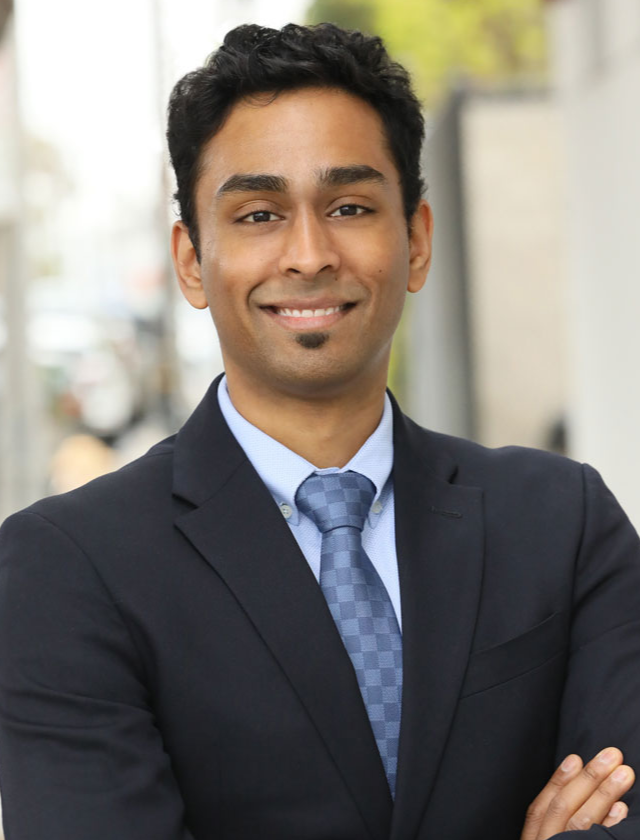
Hari Iyer

MD, FAAOS
Michael Rose

Priya Jadeja

MD, FACS
Michael Rose

Reza Jarrahy

MD, FACS, FAAP
Michael Rose

Santosh Kale

MD, MBA
Michael Rose

Karen Kaplan

MD
Michael Rose

Matthew Kaufman

MD, FACS
Michael Rose

Ergun Kocak

MD
Michael Rose

Arjuna Kuperan

MD
Michael Rose

Chris Lakhiani

MD, FACS
Michael Rose

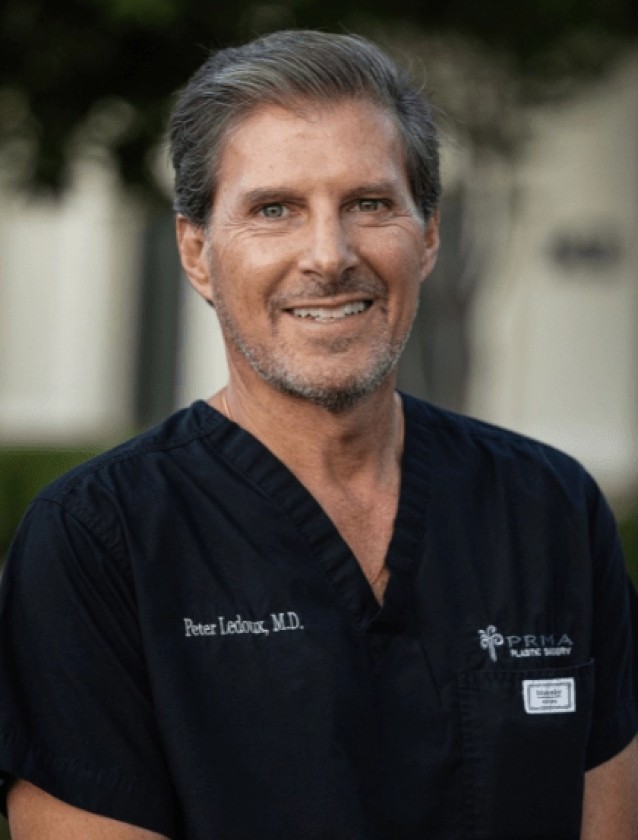
Peter Ledoux

MD
Michael Rose

Matthew Lynch

MD
Michael Rose

Tyler Merceron

MD
Michael Rose

Ahmed Nasser

MD
Michael Rose

Chet Nastala

MD
Michael Rose

Robert T. Nevitt III

MD
Michael Rose

Oscar Ochoa

MD
Michael Rose

William Ordoyne

MD
Michael Rose

Lauren Otaguro

MD
Michael Rose

Tushar Patel

MD, FACS
Michael Rose

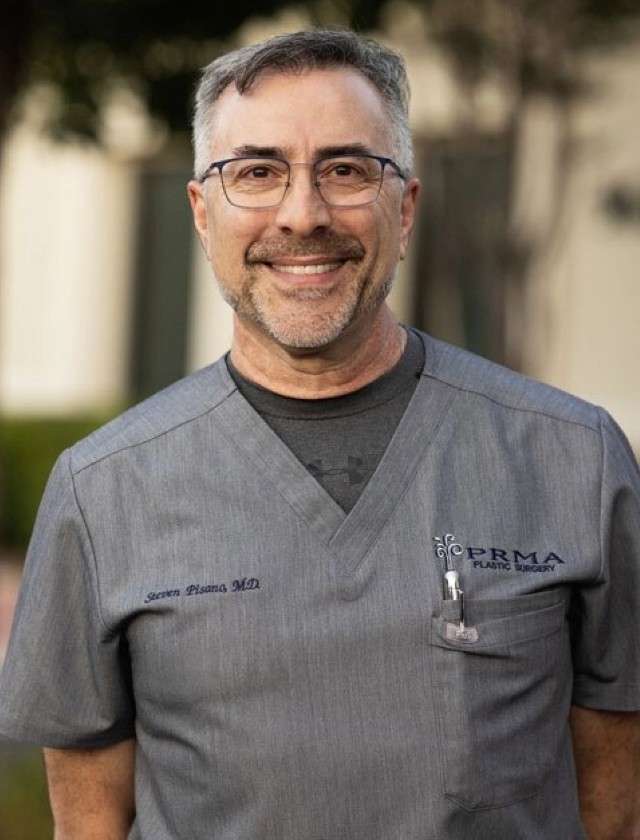
Steven Pisano

MD
Michael Rose

Vaishali Purohit

MD
Michael Rose

Sidney Rabinowitz

MD, FACS
Michael Rose

Deepak Ramesh

MD
Michael Rose

David Rayfield

MD
Michael Rose

Rukmini Rednam

MD
Michael Rose

Michael Rose

MD, FACS
Michael Rose

Adam Saad

MD, FACS
Michael Rose

Nirvana Saraswat

MD
Michael Rose

Ali Seckin

MD, MBA
Michael Rose

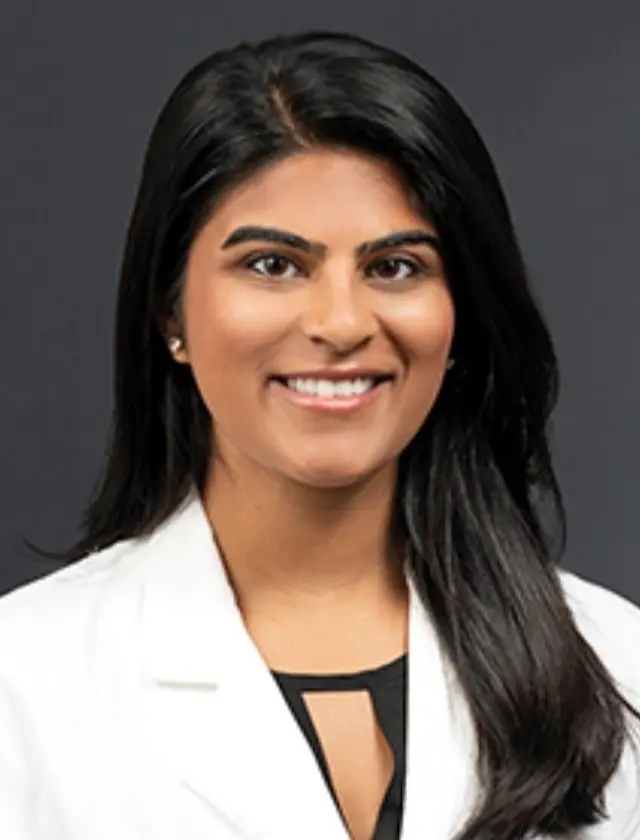
Ajul Shah

MD, FACS
Michael Rose

Tzvi Small

MD, FACS
Michael Rose

Mohit Sood

DO
Michael Rose

Scott Sullivan

MD
Michael Rose

Yolanda Tammaro

MD
Michael Rose

Pankaj Tiwari

MD
Michael Rose

Stephen Toran

MD
Michael Rose

Christopher Trahan

MD
Michael Rose

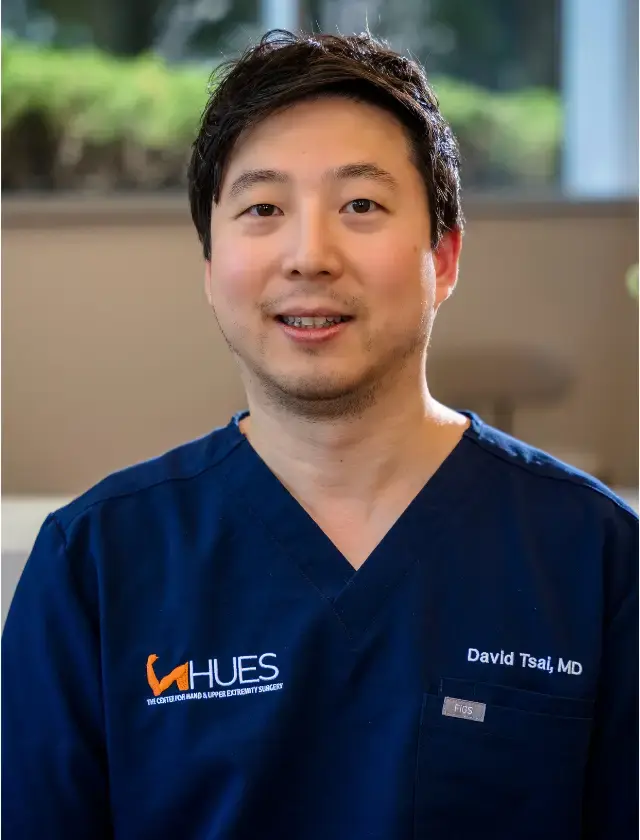
David Tsai

MD, FACS
Michael Rose

Hakan Usal

MD
Michael Rose

Eric Weiss

MD
Michael Rose

Jonathan Weiswasser

MD, FACS
Michael Rose

Lauren Whipple

MD
Michael Rose

Eric Wimmers

MD, FACS
Michael Rose

Whitten Wise

MD
Michael Rose

Mary Jo Wright

MD
Michael Rose

Alex Xu

MD
Michael Rose

Mark Yazid

MD, FACS
Michael Rose

Sarosh Zafar

MD

Your Questions, Answered

How do I know if my paralysis is spastic or flaccid?

Our team evaluates muscle tone, reflexes, strength, and joint motion to determine whether your paralysis is spastic, flaccid, or mixed. This distinction guides whether we focus on nerve‑based procedures to reduce tone, nerve transfers to restore signal, or a combination of both.

→ Learn more on our Spastic Paralysis and Flaccid Paralysis pages.

Will injections like Botox fix my spasticity permanently?

Botox and phenol injections can temporarily relax overactive muscles and improve motion, but their effects wear off and repeat treatments are often required every few months. For many patients, these injections are part of a broader plan that may eventually include surgery.

→ Visit our Spastic Paralysis page to explore injection and surgical options.


When is the right time to consider surgery?

We consider surgery when spasticity or weakness is causing significant functional limitations, deformity, or caregiving challenges despite optimized therapy, bracing, and injections. Timing is especially important for nerve transfers, which work best before muscles have been without signal for too long.


What happens if I wait?

Over time, untreated spasticity can lead to muscle and joint contractures, while longstanding flaccid paralysis can result in irreversible muscle atrophy and joint stiffness. Earlier evaluation allows us to preserve more options and potentially achieve better outcomes.

Can you restore movement?
In many cases, we can reduce abnormal tone, improve limb positioning, increase range of motion, and restore specific movements through nerve, muscle, or tendon procedures. The degree of recovery depends on the location and severity of nerve injury, how long the problem has been present, and the health of the muscles and joints.
How long does recovery take?
Recovery varies by procedure. Nerve‑based surgeries require months of nerve regeneration and therapy; muscle and joint procedures often show earlier changes in position and motion but still require intensive rehabilitation. Your team will outline an individualized timeline based on your plan.
What makes The Institute different from other centers?
We are one of the few centers worldwide dedicated specifically to surgical solutions for spastic and flaccid paralysis, offering advanced nerve, muscle, and joint procedures refined through real‑world outcomes. Our multidisciplinary team—paralysis surgeons, physiatry, and specialized therapists—works together to build a comprehensive, individualized treatment plan for every patient.

→ Learn more about why patients choose us.

What to Expect When You Reach Out

We know reaching this point has likely been a long journey. That’s why we make the next step clear and supportive.

1 Consultation

Share your history, prior treatments, and goals with our paralysis team, either virtually or in-person.

2 Evaluation

We examine muscle tone, strength, joint motion, and function, and review imaging or nerve studies to clarify your diagnosis.

3 Personalized Care Plan

You receive a clear explanation of whether your paralysis is spastic, flaccid, or mixed, along with tailored non-surgical and surgical options.

4 Surgery & Support

If surgery is right for you, we guide you through preoperative planning, hospital care, and the therapy required for recovery.

Get Relief From Paralysis‑Related Pain and Limitations

Paralysis shouldn’t define what you can do each day. At the Center for Surgical Treatment of Paralysis at The Institute for Advanced Reconstruction, our team combines advanced nerve and muscle surgery with specialized rehabilitation to help you regain movement, comfort, and control.

Ready to explore your options?