Patient Login


As the capsule tightens, it can distort breast shape, cause it to sit unnaturally high on the chest, and lead to significant physical discomfort. For many women, the condition worsens with each attempt at surgical revision. Replacing the implant sometimes simply restarts the cycle. Permanently resolving capsular contracture often means removing the cause entirely, and that's exactly what our surgeons are experienced in doing.
Capsular Contracture
For many women, breast implants have been a trusted choice for augmentation or reconstruction. But over time, some develop serious complications, including painful scar tissue, a condition known as capsular contracture. At The Institute for Advanced Reconstruction, our surgeons specialize in treating capsular contracture with expertise that most centers simply cannot offer, including permanent, implant-free restoration using your own tissue.
What is Capsular Contracture?
When a breast implant is placed, the body responds by forming a thin layer of scar tissue around it, a natural process called capsule formation. In most patients, this capsule remains soft and pliable, causing no problems. In others, the capsule becomes abnormally thick, tight, and hard, a condition known as capsular contracture.
Capsular Contracture Symptoms
Capsular contracture can range from mild firmness to severe pain and deformity that deeply impact your life. Symptoms often develop gradually and may include:
- Breast that feels unusually firm, tight, or hard to the touch
- Breast that appears rounded, distorted, or misshapen
- Implant that has shifted position or sits unnaturally high
- Persistent aching, tightness, or sharp pain in the breast
- Asymmetry between breasts that was not present before
- Skin rippling or visible edges of the implant
If any of these sound familiar, you're not alone, and you don't have to keep living with discomfort.
Causes of Capsular Contracture
Understanding what may have triggered your contracture can help guide treatment decisions and explain why it keeps coming back after revision. It can’t always be known what triggered it in your specific case, but here are a few of the most common triggers for capsular contracture:
- Implant contamination: Bacterial biofilm on the implant surface at the time of surgery is one of the most studied triggers of abnormal capsule formation.
- Hematoma or seroma: Bleeding or fluid accumulation around the implant in the days following surgery can lead to excessive scar tissue formation.
- Implant rupture or leakage: Silicone gel or saline that escapes from a ruptured implant can provoke an inflammatory response and capsule tightening.
- Radiation therapy: Women who have received radiation to the chest wall have a higher risk of developing contracture.
- Implant type and placement: Certain implant surfaces and positions may increase contracture risk in some patients.
- Recurring contracture: Once contracture has occurred and been treated with revision surgery, the risk of recurrence increases significantly with each subsequent procedure.
Risk Factors for Capsular Contracture
Some women are more likely to develop contracture than others. Knowing your risk profile helps your surgeon plan the most effective approach.
- Prior history of capsular contracture
- Implant rupture or leakage
- Radiation therapy to the chest area
- Infection or inflammation at the surgical site
- Implant placement in a subglandular (above the muscle) position
- Certain implant types or surface textures
- Autoimmune conditions or heightened inflammatory response
Diagnosing Capsular Contracture
Diagnosis starts with your surgeon listening to your experience: how your breast feels, what has changed, and what you've already been through. A physical examination will then confirm the severity using the Baker Grade scale:
- Grade I: The breast feels soft and looks natural. Capsule formation is normal; no symptoms present.
- Grade II: The breast feels slightly firm but looks normal. Mild tightness may be detectable on examination.
- Grade III: The breast feels firm and begins to look abnormal. Visible distortion, asymmetry, or an unnaturally elevated position may be present.
- Grade IV: The breast is hard, painful, and significantly distorted. Discomfort is constant and may be severe. Surgical intervention is typically required.
In some cases, we may need additional imaging to confirm, such as:
- Ultrasound: Can help evaluate capsule thickness and detect fluid collections or implant rupture.
- MRI: The most sensitive imaging method for assessing implant integrity and the extent of capsule involvement.
- Mammography: May be performed to rule out other breast conditions, though it has limited utility specifically for capsule assessment.
A thorough evaluation will also consider your surgical history, prior revision surgeries, and any additional symptoms that may suggest a broader implant-related condition such as BII.
Capsular Contracture Treatment
Your surgeon will recommend the approach that addresses your specific situation, not a generic solution. For most women with Grade III or IV contracture, or those who have already been through revision, that means removing both the implant and the capsule entirely. Options include:
- Capsulotomy: The capsule is scored or released to relieve tightening while leaving the implant in place. This approach carries a significant risk of recurrence.
- Total Capsulectomy: The implant and surrounding scar tissue capsule are removed in their entirety. The implant may or may not be replaced.
- En Bloc Capsulectomy: The implant and intact capsule are removed together as a single unit, without opening the capsule. This approach is often preferred when rupture or contamination is suspected.
- Explant Without Replacement: The implants are removed and not replaced. Some women choose this option, particularly those also experiencing BII symptoms.
- All Me Augmentation™: Following implant and capsule removal, the breast is rebuilt using the patient's own living tissue from the lower abdomen via DIEP flap microsurgery, permanently eliminating the implant as a source of complications.
After capsulectomy, recovery time varies based on the extent of the procedure and whether reconstruction is performed. Most patients return to light activity within two to three weeks and full recovery within six to eight weeks. The goal is not just relief from your current symptoms but rather a permanent resolution, so you're not back in this position again.
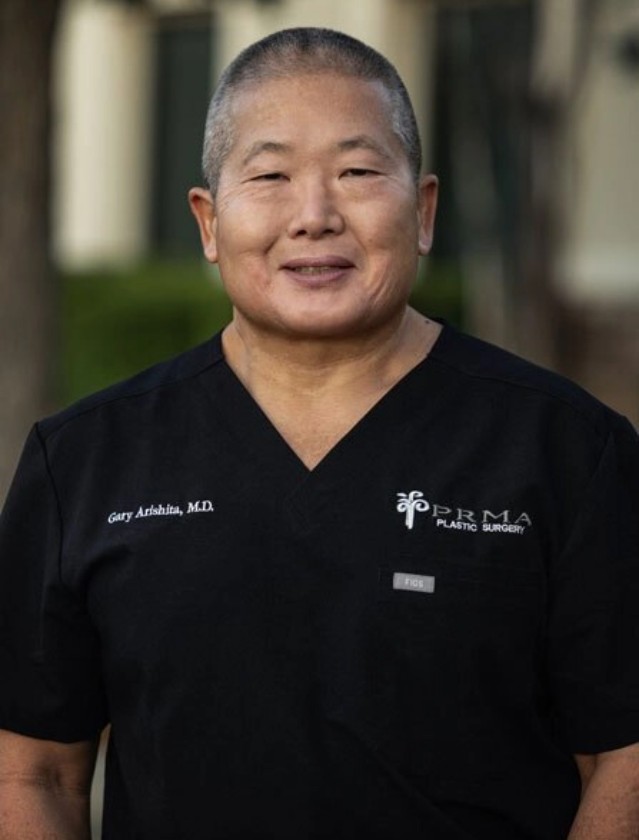
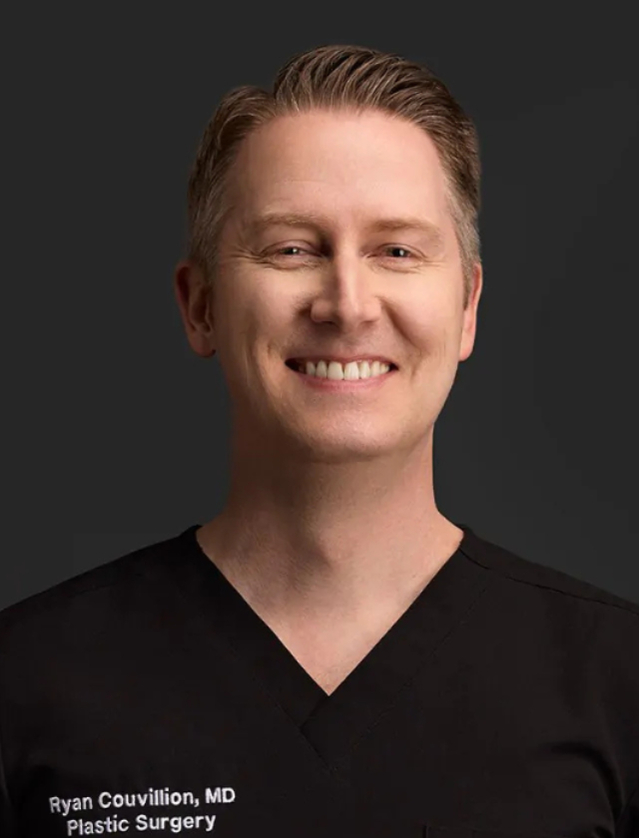
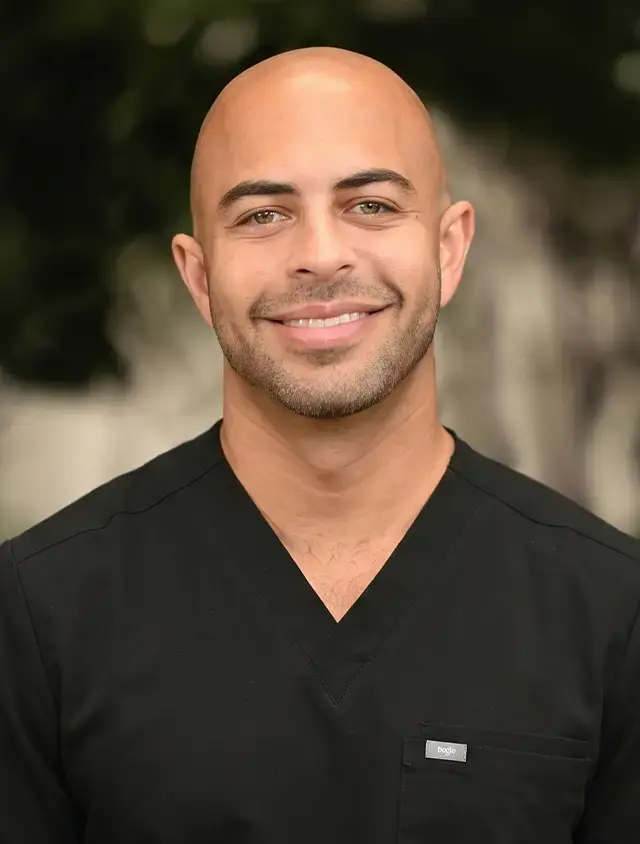
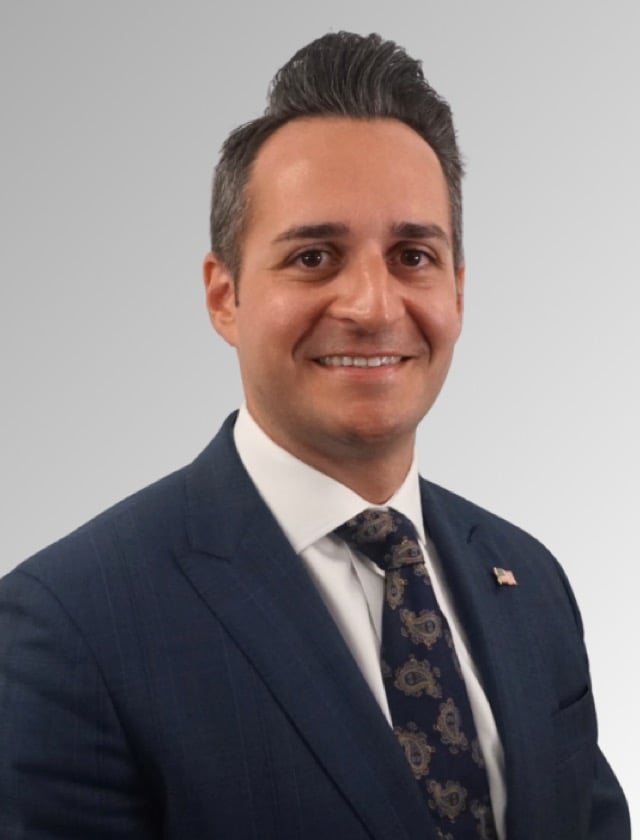
Our Doctors
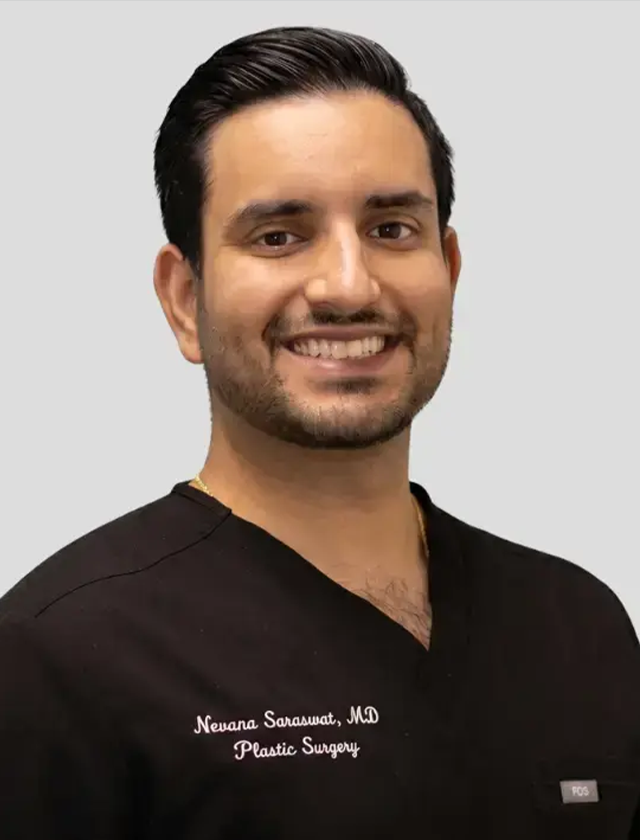
Treating capsular contracture requires surgeons with deep expertise in reconstructive microsurgery. At The Institute, our team includes specialists in the management of complex implant complications and in implant-free natural-tissue restoration, including All Me Augmentation™.

-1.jpeg)






.webp)










































.png)



Find a Location Treating Breast Implant Complications Near Me
The Institute serves patients from across the country and around the world. Our national network of pillar practices connects you with a specialist close to home or provides the full support you need to travel for care.
Insurance Information
The Institute participates in a wide range of insurance plans. Coverage for breast implant–related procedures varies by provider, plan, and the specific diagnosis and procedure involved. Capsulectomy performed for a documented medical indication may be eligible for partial coverage. Elective or cosmetic components are typically not covered. Regardless, we’re here to help you understand your options.
Before scheduling an appointment, we recommend contacting your insurance carrier to confirm your coverage. Our insurance specialists are available to help verify your benefits and identify the most coverage available for your care.
Frequently Asked Questions About Capsular Contracture
Am I a candidate for treatment?
If you are experiencing capsular contracture, especially after one or more failed revisions, or if you have symptoms you suspect may be related to your breast implants, a consultation with one of our specialists is the right first step. We will review your history, evaluate your options, and give you honest, straightforward guidance without pressure.
Why does capsular contracture keep coming back after revision surgery?
Standard revision surgery replaces the implant but leaves the same foreign object in place, which means the body can form a new capsule around the new implant. For many women, each revision increases the risk of recurrence. The only way to permanently eliminate capsular contracture is to remove both the implant and the capsule entirely.
Do I have to replace my implants after capsulectomy?
No. Many women choose not to replace their implants at all. Others opt for natural-tissue restoration using All Me Augmentation™, which rebuilds the breast with the patient’s own abdominal tissue. The right choice depends on your goals and anatomy, and your surgeon will help you evaluate your options without pressure.
I’ve already had one or more revision surgeries. Am I still a candidate for treatment?
Yes. Many of our patients come to The Institute after one or more failed revisions. In fact, a history of recurrence is one of the clearest indicators that the implant itself needs to be addressed, not just replaced. Our surgeons are experienced in complex revision cases and can evaluate your options during consultation.
How long is recovery after capsulectomy?
Recovery varies based on the extent of the procedure and whether additional surgery—such as All Me Augmentation™ or a breast lift—is performed at the same time. For capsulectomy alone, most patients return to light activity within two to three weeks. If reconstruction is included, recovery typically extends to six to eight weeks. Your surgeon will provide a detailed, personalized recovery plan.