Patient Login

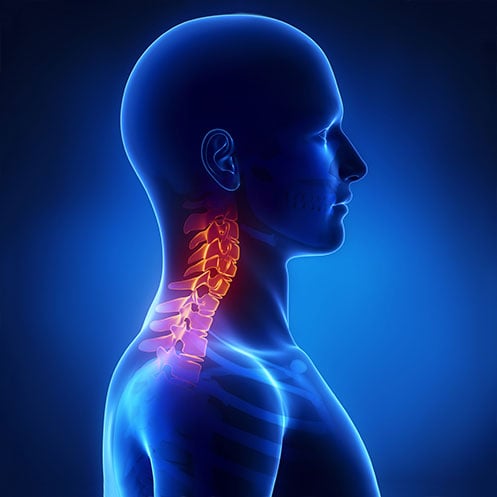


After a stroke, a cerebral palsy diagnosis, or a brain or spinal cord injury, many patients notice that an arm, leg, or one side of the body becomes stiff and difficult to move. Spastic paralysis occurs when the upper motor neurons—the nerve cells in the brain and upper spinal cord that normally control and brake movement—are damaged. Without this natural braking system, reflexes become overactive and muscles contract too strongly in response to stretch.
Instead of moving smoothly, the affected muscles feel tight, resist stretching, or snap back when you try to straighten a joint. This abnormal tightness is called spasticity. Over time, constant overactivity can cause the muscles to shorten and the joints to lose motion, leading to fixed deformities that interfere with walking, reaching, hygiene, dressing, and other everyday activities. Understanding spastic paralysis—including where it comes from and how it progresses—is the first step toward choosing the right treatment plan.