Patient Login

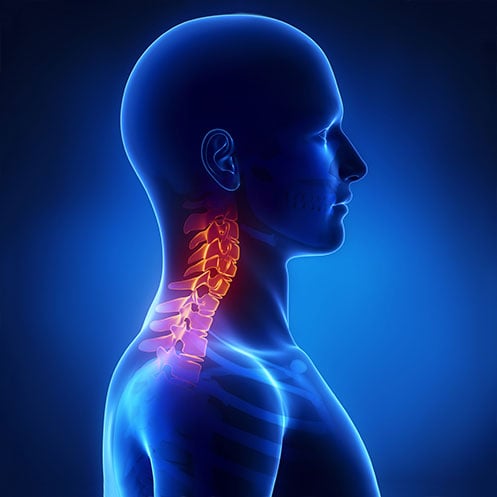


Flaccid paralysis causes muscles to become weak, soft, and difficult or impossible to move after damage to the nerves that normally power them. The Institute for Advanced Reconstruction provides advanced nerve, tendon, and muscle reconstruction for patients with brachial plexus injuries, peripheral nerve injuries, and tendon or muscle loss.
In flaccid paralysis, the problem lies not in the brain’s control centers but in the lower motor neurons—the peripheral nerves and nerve roots that carry signals from the spinal cord to the muscles. These nerves act like the “wiring” that connects the command center to each muscle. When the wiring is cut, stretched, compressed, or otherwise damaged, the muscle stops receiving a meaningful signal to contract.
As a result, the affected muscles become limp, weak, and often completely nonfunctional. The limb may feel heavy or unresponsive, even though the person is trying their hardest to move it. Over time, unused muscles can shrink (atrophy), and joints can become stiff if they aren’t moved regularly. Flaccid paralysis presents a very different picture from spastic paralysis—and requires a different set of treatment strategies focused on restoring or rerouting nerve signals and optimizing the mechanics of movement.