IFAR - Surgical Web Page - Breathing & Chest Pain - Is chest pain limiting your life_

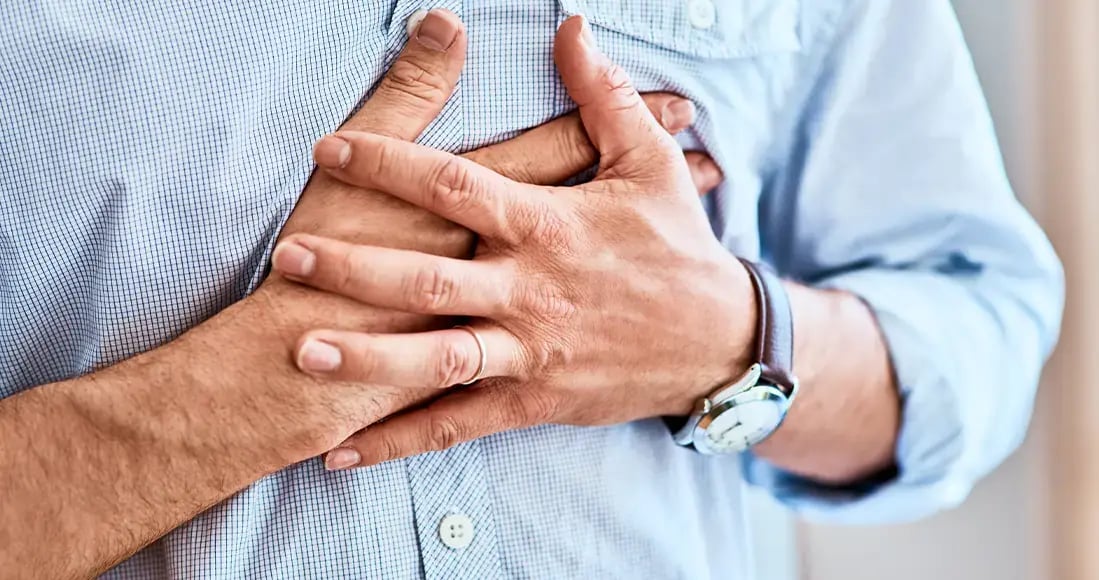
Is Chest Pain Limiting Your Life?

For some patients, pain across the chest doesn’t go away after recovery. Whether caused by sternal non-union, nerve injury, or tension around surgical hardware, this pain can make simple movements—reaching, coughing, or sleeping—difficult and exhausting.

At The Institute, our surgeons focus on identifying the true cause of post-surgical chest pain and correcting it through stabilization and reconstructive approaches that restore structure and reduce nerve irritation.

You don’t have to live this way. Here’s who we help:

Patients with chronic pain or instability after open-heart surgery or sternotomy.
Individuals with pain from sternal non-union or hardware irritation.
Patients with chest wall deformity or tension following trauma or prior surgery.
Those with pain caused by scar tissue, tightness, or nerve entrapment.
People told their pain is “normal after surgery” but still seeking answers.
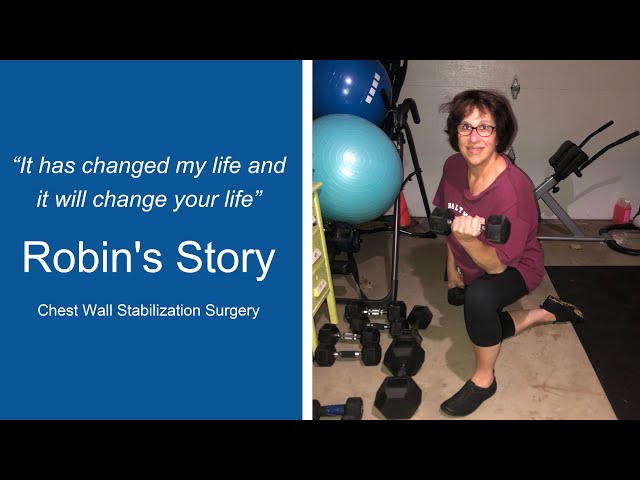
"After my open-heart surgery, I felt pain and movement every time I took a deep breath. Once the chest was stabilized, I could finally move and rest comfortably again."
— Patient, Sternal Stabilization Procedure

Conditions We Treat

Persistent chest pain after surgery or injury can be structural, mechanical, or nerve-related. Our team identifies whether pain is caused by instability, scar tissue, or pressure on the nerves that pass through the chest wall—and creates a surgical plan for lasting relief.
Structural and Post-Surgical Causes
Nerve and Soft Tissue Causes

Structural and Post-Surgical Causes

Pain or discomfort may result from incomplete healing, abnormal motion, or hardware irritation.

  • Sternal Non-Union or Instability
  • Post-Sternotomy Pain Syndrome
  • Hardware-Related Pain or Prominence
  • Chest Wall Deformity After Trauma or Reconstruction
  • Scar Tissue Tightness and Restriction

Nerve and Soft Tissue Causes

When scar tissue or prior operations irritate or entrap nerves, chronic pain or sensitivity may develop.

  • Nerve Entrapment After Surgery
  • Radiation-Induced Nerve or Tissue Injury
  • Chronic Pain After Reconstruction or Trauma
  • Neuroma or Localized Nerve Pain in the Chest Wall
Persistent chest pain after surgery or injury can be structural, mechanical, or nerve-related. Our team identifies whether pain is caused by instability, scar tissue, or pressure on the nerves that pass through the chest wall—and creates a surgical plan for lasting relief.
ground-breaking

Advanced Procedures That Relieve Chronic Pain

Our surgeons use advanced reconstructive and nerve-based procedures to restore stability, reduce sensitivity, and relieve chronic chest pain.
Chest Wall Stabilization

Restores alignment and eliminates painful motion caused by instability or sternal non-union.

Read More
Bony Anchoring Reinforcement (BARs)

Uses secure fixation systems to strengthen the chest wall and provide long-term structural support.

Read More
Reconstructive Surgery for Pain Relief

Rebuilds or reinforces soft tissue and scarred areas to relieve tension and improve contour.

Fat Grafting

Adds soft tissue cushioning over prominent hardware or scarred tissue to reduce irritation and pain.

Read More
Decompression Surgery

Releases entrapped nerves or fibrotic tissue contributing to chronic discomfort.

Read More
Hardware Revision or Removal

Removes or repositions surgical plates or screws that cause pain or instability.

Why Patients Choose The Institute When Others Can’t Help

Global Leaders in Surgical Pain Management

Chronic pain care requires more than symptom control. It demands deep diagnostic insight, advanced surgical skill, and a commitment to helping patients reclaim their lives. Whether you’ve been searching for answers for months or years, our team offers a unique blend of science, skill, and empathy to help you take back control of your life.

Patients trust The Institute because we provide:

unmatched-icon
Nationally recognized specialists in pain and reconstruction
proven-outcome
Groundbreaking surgical techniques backed by published research
icon-closure-1
Expertise in rare and complex nerve conditions
proven-outcome
Collaborative care from multidisciplinary teams
proven-outcome
Personalized treatment plans
proven-outcome
Proven outcomes for patients who’ve exhausted other options
leader
compassionate
proven-outcome
35
Nerve Surgeries
Performed
20
Peer-Reviewed
Studies Published
250
Global Patients
Served
12
Years Pioneering
Microsurgical Techniques

Want to know how our breakthroughs translate into better outcomes?

See How We’re Changing Lives

SPb8xatGkMw-SD
LXlXMXU5z08-SD
17nwVMDTaDI-SD

Meet Our Surgeons

Our team, led by Dr. Michael Rose, specializes in stabilization and reconstructive procedures for patients with persistent chest wall pain. Combining structural expertise and nerve-focused techniques, our surgeons deliver relief for patients who have exhausted other treatment options.

Michael Rose

Andrew Elkwood

MD, MBA, FACS
Michael Rose

Hamid Abdollahi

MD, FACS
Michael Rose

Peter Andrawes

MD
Michael Rose

Beth Anglin

MD, FACS
Michael Rose

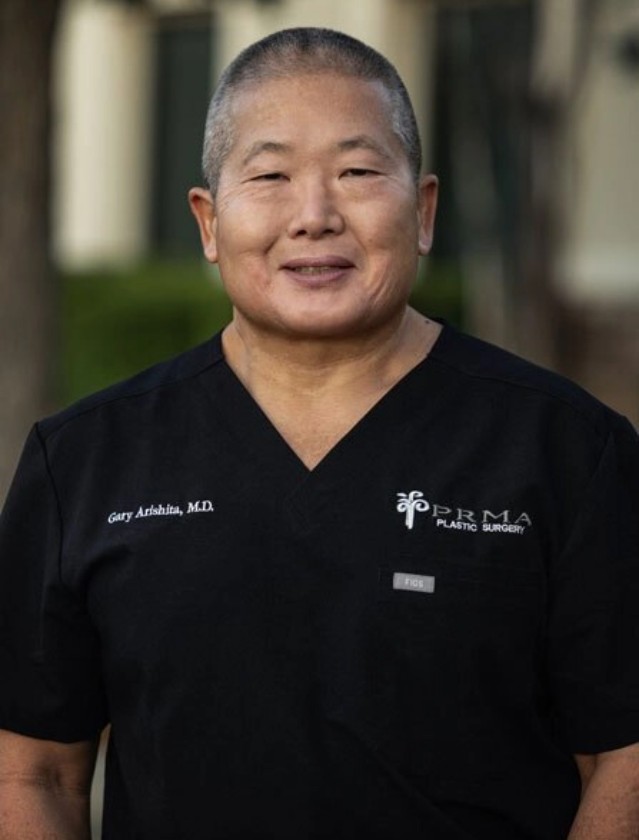
Gary Arishita

MD
Michael Rose

Russell Ashinoff

MD, FACS
Michael Rose

Sean Boutros

MD, FACS
Michael Rose

Anjeanette Brown

MD, FACS
Michael Rose

David Cabiling

MD
Michael Rose

Courtney Carpenter

MD
Michael Rose

Stephen Chagares

MD
Michael Rose

Eric I. Chang

MD, FACS
Michael Rose

Ann Chuang

MD, FACS
Michael Rose

Frank Ciminello

MD, FACS
Michael Rose

Kari L. Colen

MD, FACS
Michael Rose

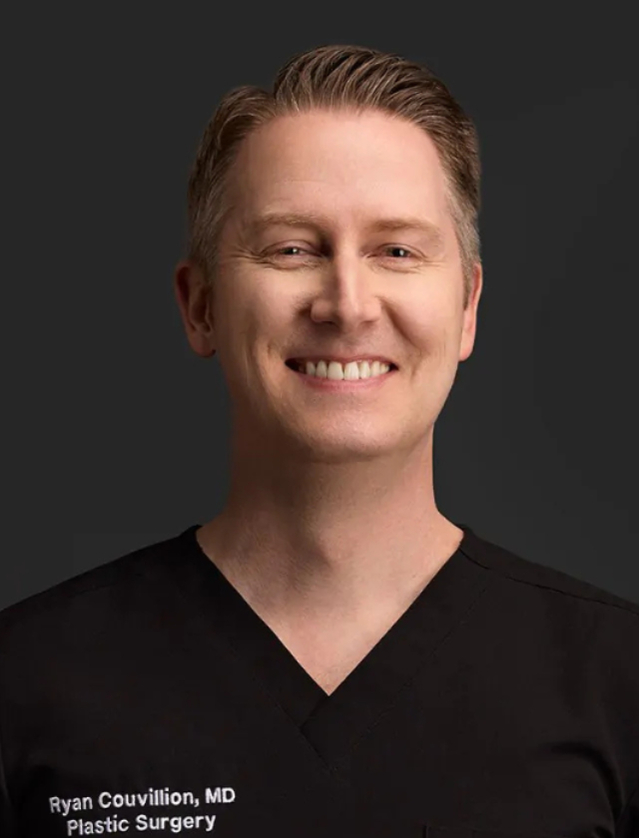
Ryan Couvillion

MD
Michael Rose

Desiree D'Angelo

DO, FACS
Michael Rose

Joseph Dayan

MD, MBA
Michael Rose

Frank Dellacroce

MD
Michael Rose

George Dreszer

MD
Michael Rose

Stephen Dudick

MD
Michael Rose

Rodion Erenburg

MD
Michael Rose

Berry Fairchild

MD
Michael Rose

Adam Feintisch

MD
Michael Rose

Nicole Ferro

DO
Michael Rose

James Fletcher

MD
Michael Rose

Anton Fries

MD, PhD
Michael Rose

James Frost

MD, FACS
Michael Rose

Amon-Ra Gama

MD
Michael Rose

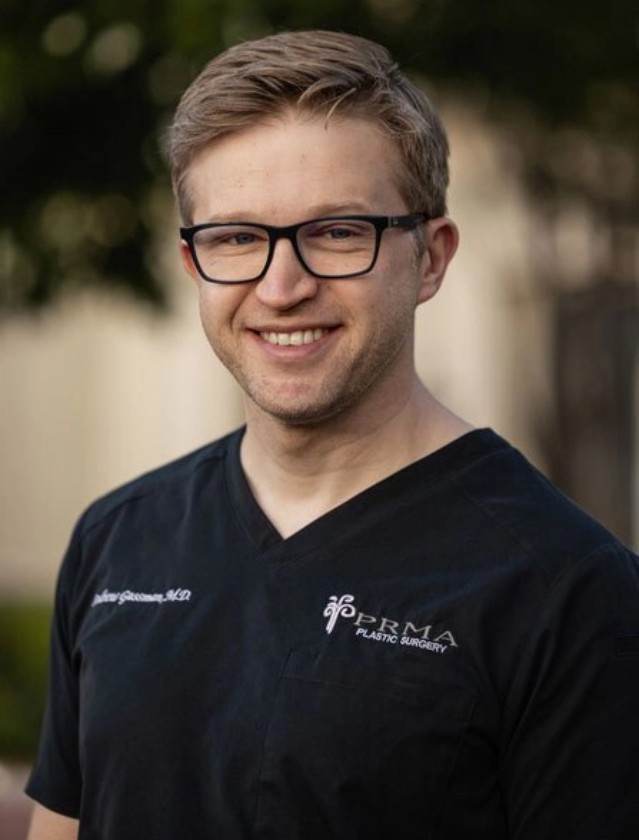
Andrew Gassman

MD
Michael Rose

Patrick Greaney

MD, FACS
Michael Rose

Ritwik Grover

MD, FACS
Michael Rose

Edward Hahn

MD
Michael Rose

Sanaz Harirchian

MD
Michael Rose

Cassie Hartline

MD
Michael Rose

Sean Herman

MD, FACS
Michael Rose

Zuhaib Ibrahim

MD, FACS
Michael Rose

Lisa Iucci

DO, FACS
Michael Rose

Hari Iyer

MD, FAAOS
Michael Rose

Priya Jadeja

MD, FACS
Michael Rose

Reza Jarrahy

MD, FACS, FAAP
Michael Rose

Santosh Kale

MD, MBA
Michael Rose

Karen Kaplan

MD
Michael Rose

Matthew Kaufman

MD, FACS
Michael Rose

Ergun Kocak

MD
Michael Rose

Arjuna Kuperan

MD
Michael Rose

Chris Lakhiani

MD, FACS
Michael Rose

Peter Ledoux

MD
Michael Rose

Matthew Lynch

MD
Michael Rose

Tyler Merceron

MD
Michael Rose

Ahmed Nasser

MD
Michael Rose

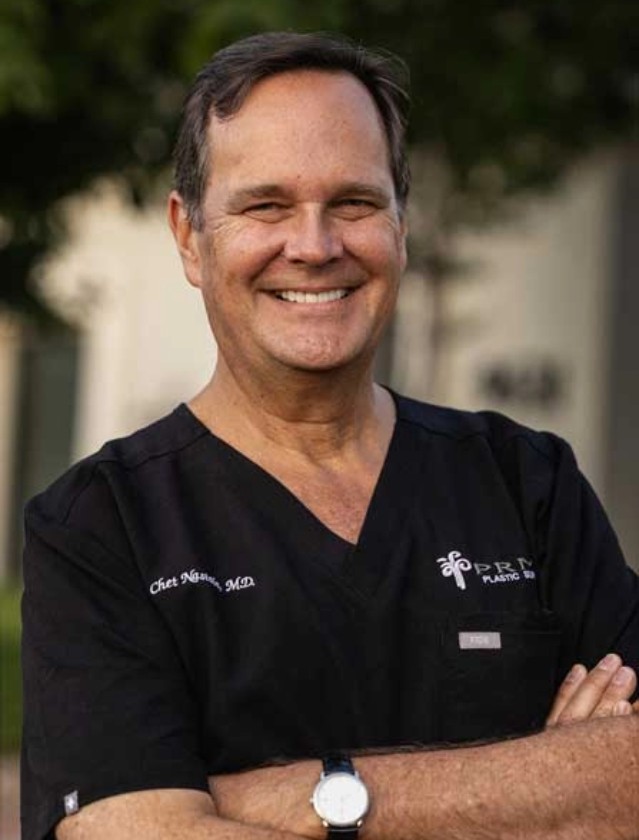
Chet Nastala

MD
Michael Rose

Robert T. Nevitt III

MD
Michael Rose

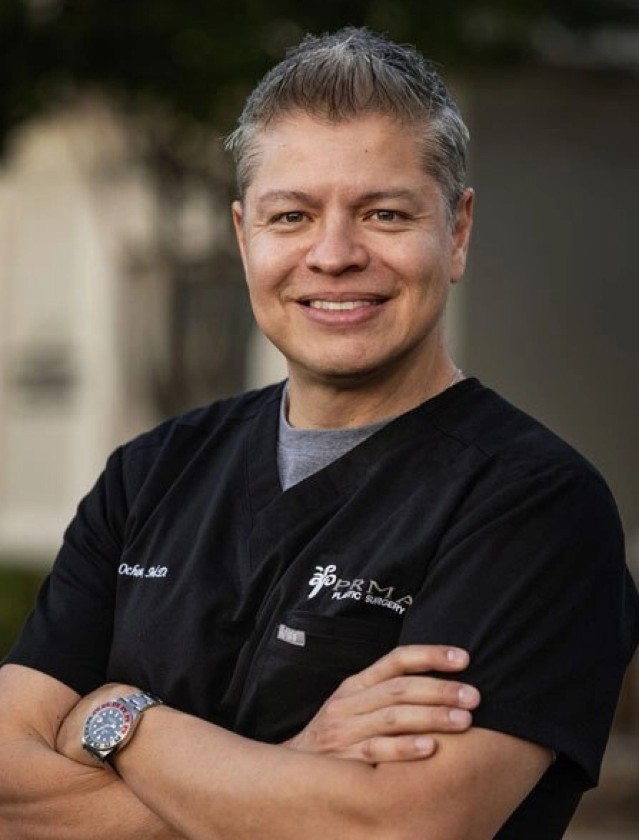
Oscar Ochoa

MD
Michael Rose

William Ordoyne

MD
Michael Rose

Lauren Otaguro

MD
Michael Rose

Tushar Patel

MD, FACS
Michael Rose

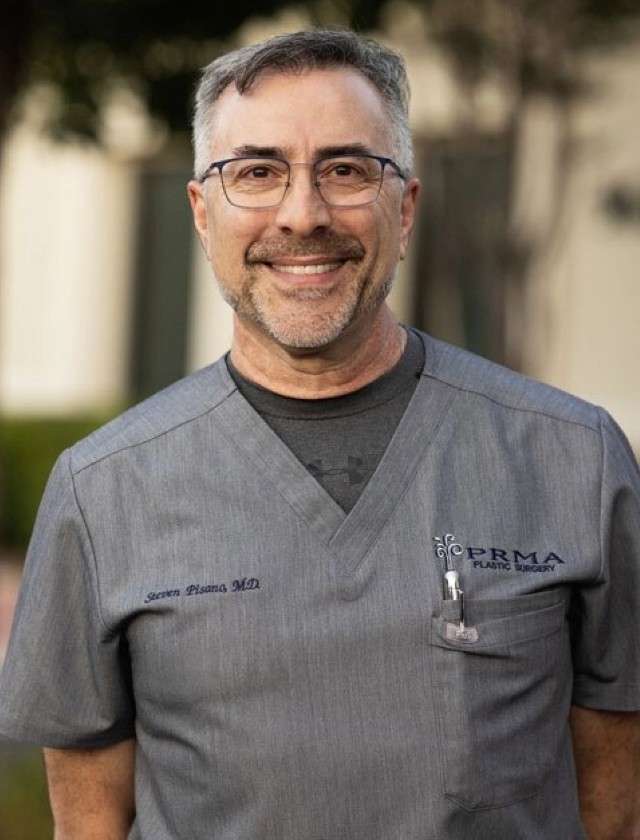
Steven Pisano

MD
Michael Rose

Vaishali Purohit

MD
Michael Rose

Sidney Rabinowitz

MD, FACS
Michael Rose

Deepak Ramesh

MD
Michael Rose

David Rayfield

MD
Michael Rose

Rukmini Rednam

MD
Michael Rose

Michael Rose

MD, FACS
Michael Rose

Adam Saad

MD, FACS
Michael Rose

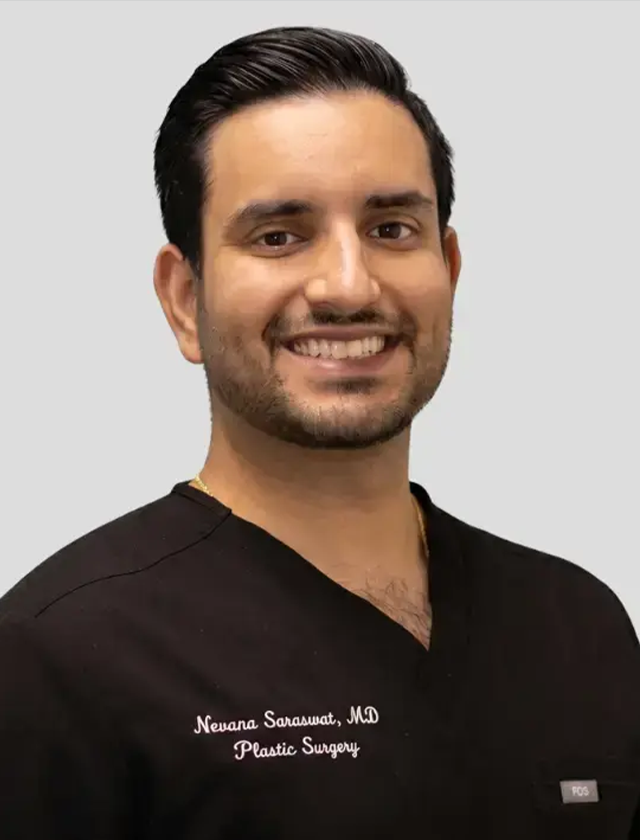
Nirvana Saraswat

MD
Michael Rose

Ali Seckin

MD, MBA
Michael Rose

Ajul Shah

MD, FACS
Michael Rose

Tzvi Small

MD, FACS
Michael Rose

Mohit Sood

DO
Michael Rose

Scott Sullivan

MD
Michael Rose

Yolanda Tammaro

MD
Michael Rose

Pankaj Tiwari

MD
Michael Rose

Stephen Toran

MD
Michael Rose

Christopher Trahan

MD
Michael Rose

David Tsai

MD, FACS
Michael Rose

Hakan Usal

MD
Michael Rose

Eric Weiss

MD
Michael Rose

Jonathan Weiswasser

MD, FACS
Michael Rose

Lauren Whipple

MD
Michael Rose

Eric Wimmers

MD, FACS
Michael Rose

Whitten Wise

MD
Michael Rose

Mary Jo Wright

MD
Michael Rose

Alex Xu

MD
Michael Rose

Mark Yazid

MD, FACS
Michael Rose

Sarosh Zafar

MD

Your Questions, Answered

Why does my chest still hurt after open-heart surgery?

Persistent pain may be due to sternal non-union or instability, where the bone hasn’t healed properly.

→ Learn more about becoming a patient.

Can hardware from previous surgery cause pain?

Yes. Hardware migration or scar tissue can irritate surrounding structures. Revision surgery can relieve these symptoms.

Do I need a referral to be seen at The Institute?

No referral is required. You can contact us directly, though we work closely with referring physicians and pulmonology specialists.

→ For provider-specific referral information, visit our Referrals page.

What is the recovery like after chest wall stabilization?

Most patients notice immediate improvement in stability and gradual reduction in pain over several weeks.

Does insurance cover these procedures?

Many of our surgeries are medically necessary and covered by insurance. Our team will confirm your coverage before treatment.

Can these surgeries help with post-cancer or post-surgical pain?

Yes. We often treat patients whose pain developed after thoracic or breast surgery, radiation, or cancer treatment.

Who is a candidate for sternal stabilization or BARs surgery?

Patients with chronic pain, instability, or non-healing following cardiac, trauma, or reconstructive surgery.

What makes The Institute different from other centers?

We are one of the few centers worldwide specializing in advanced surgical solutions for chronic chest and breathing pain, with outcomes recognized internationally.

→ Learn more about why patients choose us.

What to Expect When You Reach Out

We know reaching this point has likely been a long journey. That’s why we make the next step clear and supportive.

1 Consultation

Share your history and symptoms with our specialized team, either virtually or in-person.

2 Evaluation

Our advanced diagnostic tools and extensive expertise help us understand your condition fully.

3 Personalized Care Plan

You’ll leave with a clear explanation of your options and what recovery could look like.

4 Surgery & Support

If surgery is right for you, our team guides you through every step: before, during, and after.
IFAR - Surgical Web Page - Breathing & Chest Pain - Take the first step towards relief

Take the First Step Toward Relief

If chest wall pain or instability is limiting your life, our surgical specialists can help. Contact us today to explore advanced options for long-term relief.