Living with lymphedema can feel like carrying a weight that never lifts. The swelling, discomfort, and emotional toll often disrupt daily life, and for many patients, conservative treatments simply aren’t enough.
Lymphedema surgery offers a long-term solution when other treatments fail. But is it right for you? We asked Joseph Dayan, MD, a board-certified plastic and reconstructive surgeon who specializes in lymphedema surgery, to explain how these procedures work and who may benefit most.
Understanding Lymphedema: A Comprehensive Overview
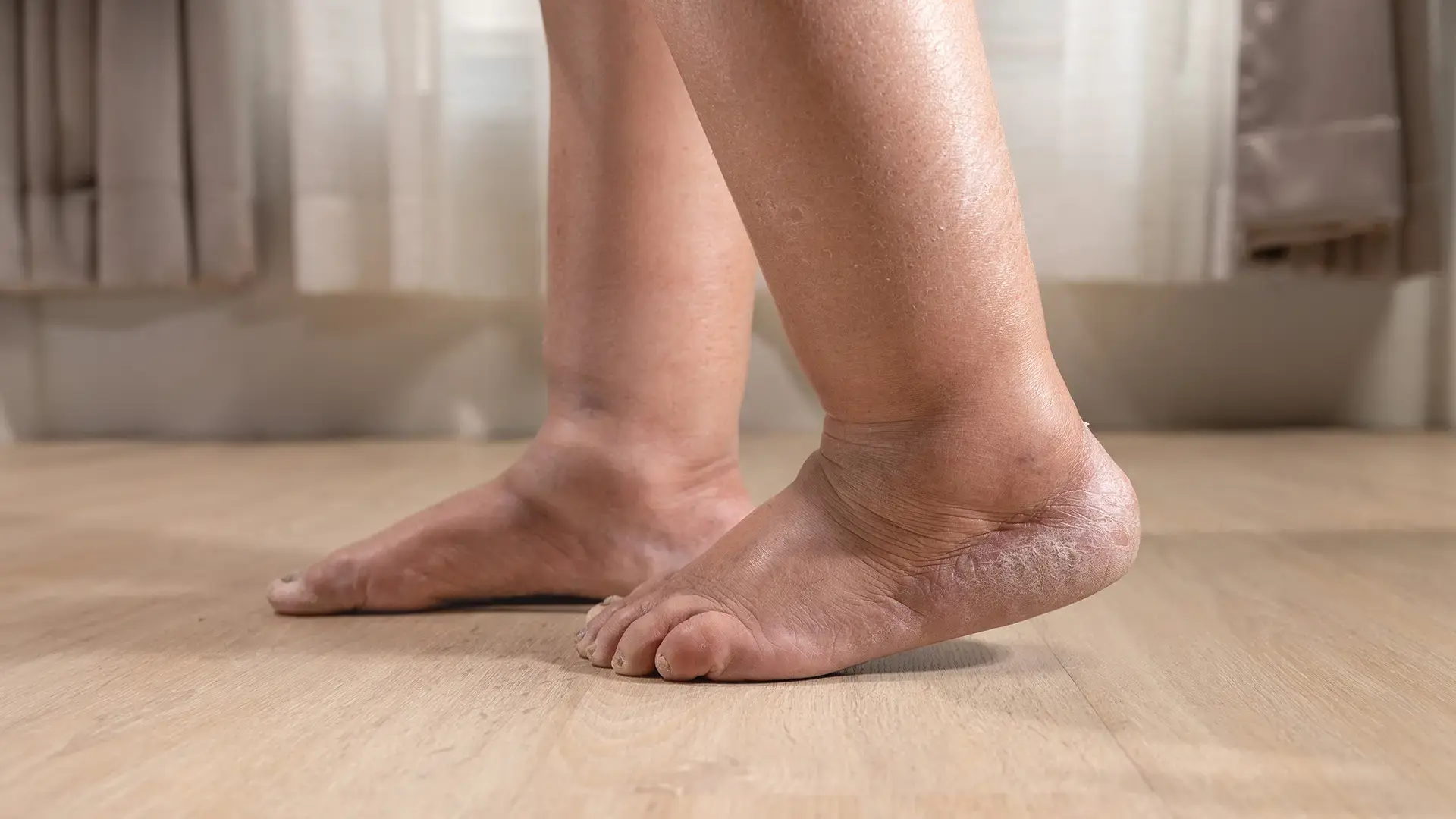
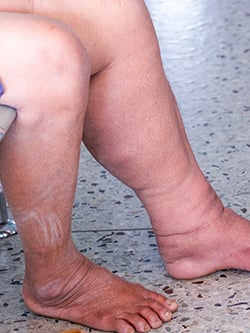
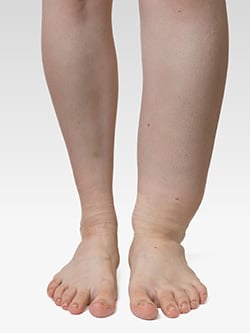
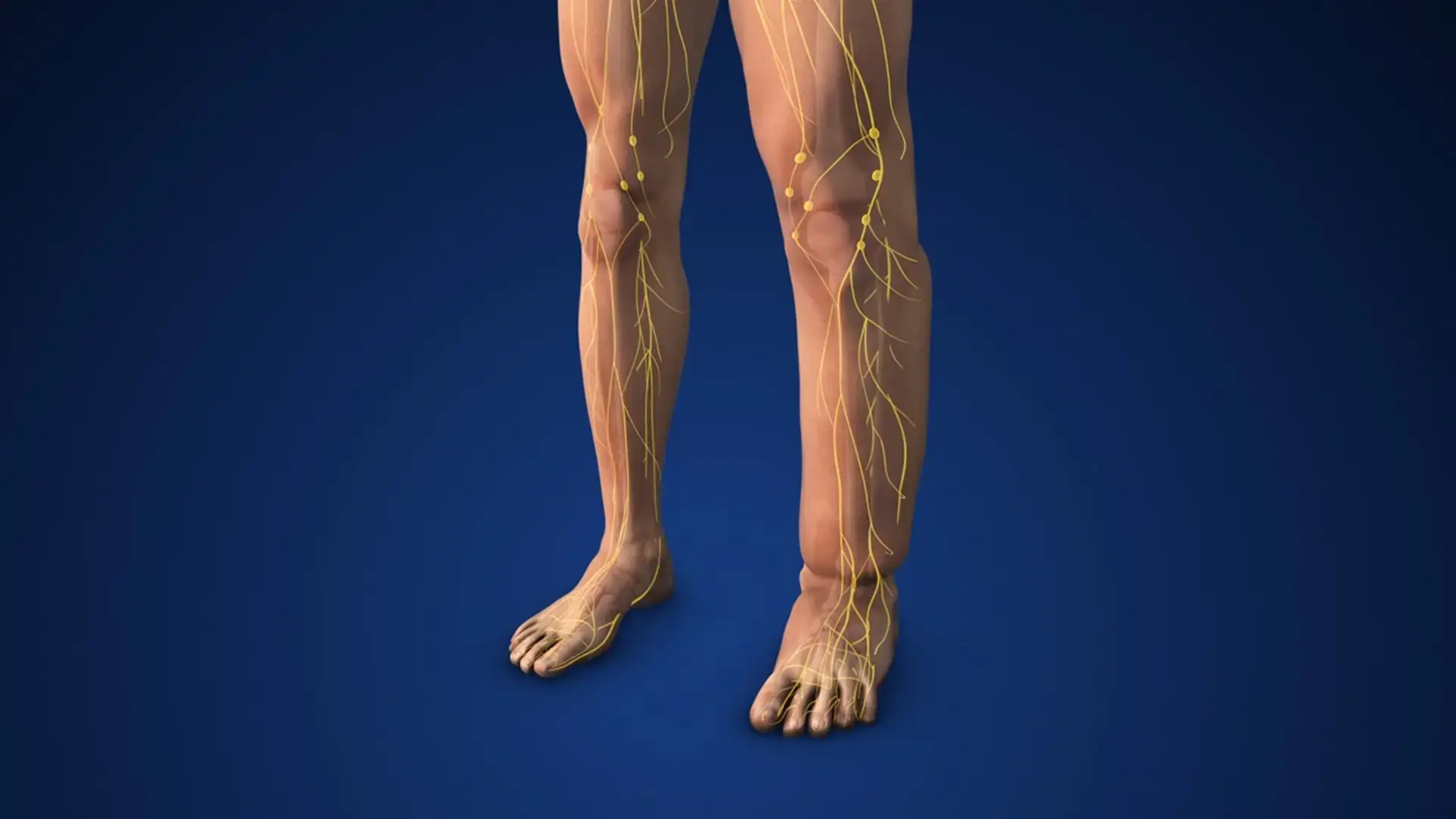
Lymphedema is a chronic condition that causes swelling, usually in the arms or legs, due to a buildup of lymphatic fluid. It often develops after lymph node removal, radiation, or trauma, though some people are born with lymphatic dysfunction.
Common symptoms include:
- Swelling and heaviness in the affected limb
- Limited mobility and stiffness
- Recurrent infections (like cellulitis)
- Thickening or hardening of the skin
“Lymphedema is more than just swelling—it’s a progressive disease that can lead to serious complications if left untreated,” says Dr. Dayan. “Patients often come to us after years of frustration, and it’s rewarding to help them finally find relief.”
Exploring Lymphedema Surgery Options
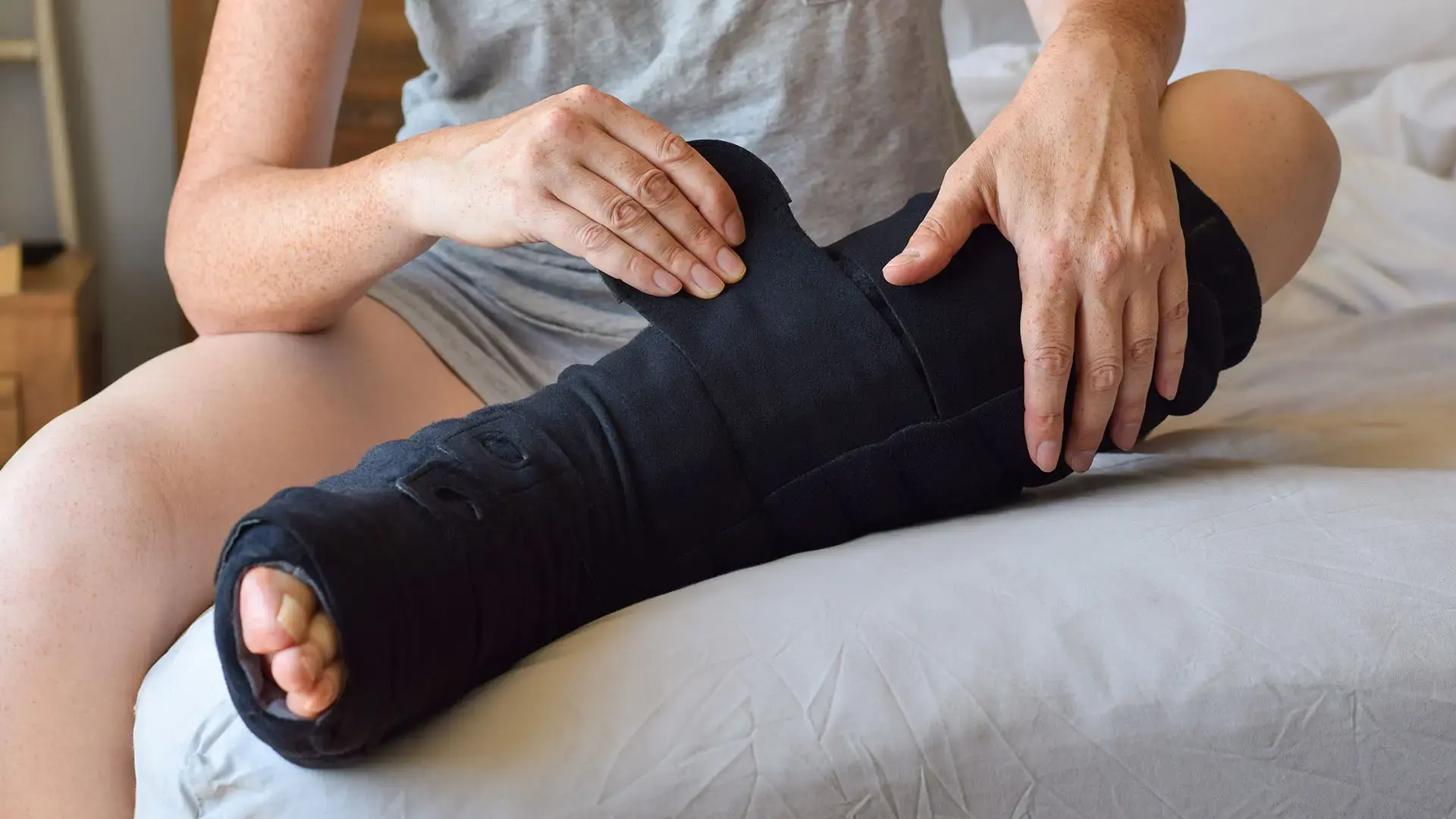
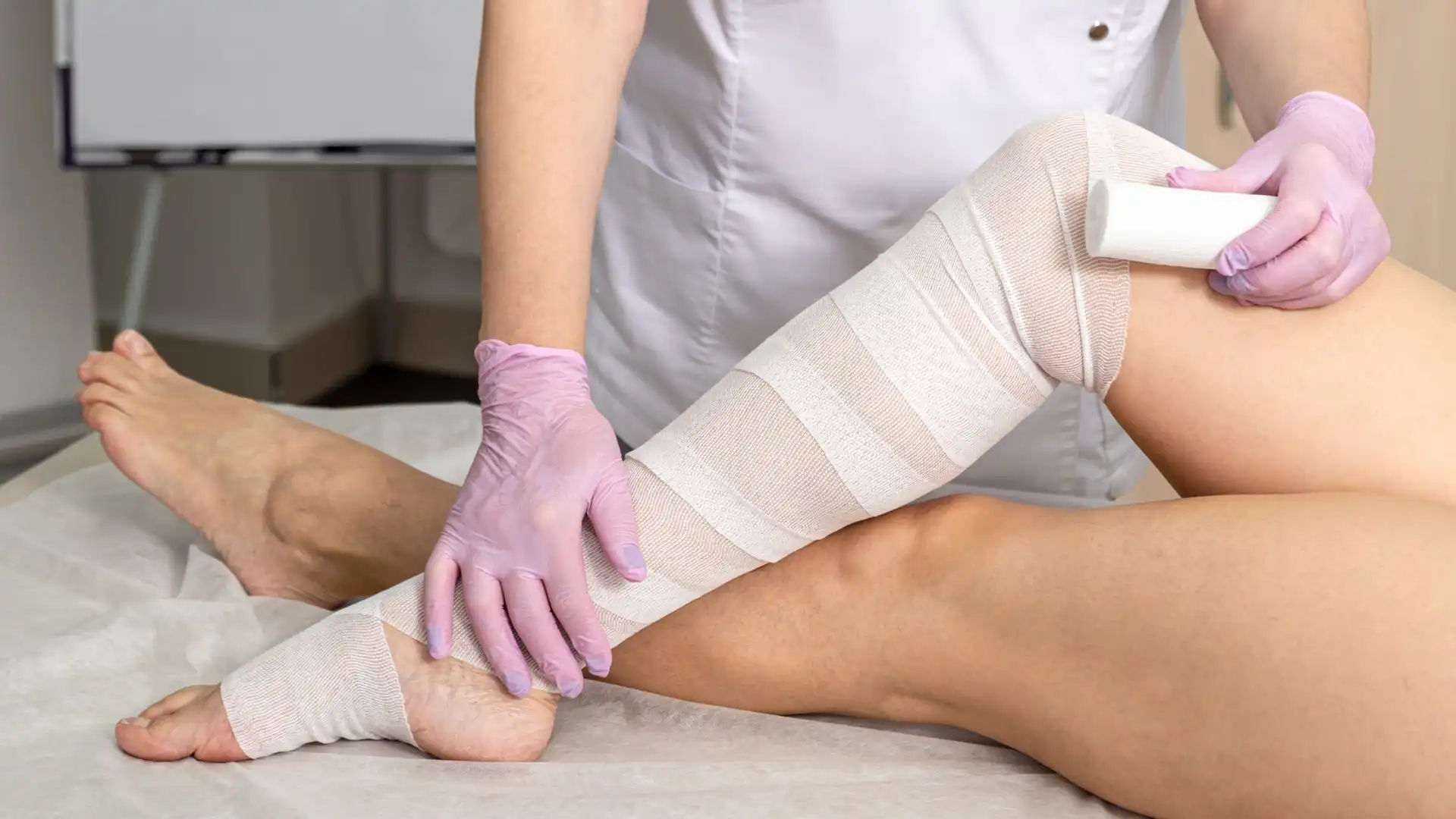
Treatment for lymphedema depends heavily on how early the condition is caught. In its early stages, conservative therapies such as compression garments and manual lymphatic drainage massage can help manage swelling. But these approaches only work if the limb still has functioning lymph exits, pathways that allow lymphatic fluid to drain. As lymphedema advances, those exits can become progressively blocked or damaged, limiting how much compression and massage alone can accomplish.
This is where surgery changes the equation: rather than working around a blocked system, surgical intervention creates new lymph exits, restoring the limb's ability to drain fluid on its own.
At The Institute, we offer several advanced techniques:
- Lymphovenous Bypass (LVB): Connects lymphatic vessels to nearby veins to improve drainage.
- Vascularized Lymph Node Transfer (VLNT): Moves healthy lymph nodes from one area of the body to the affected limb.
- Debulking (Excisional Surgery): Removes fibrotic tissue in more advanced stages of lymphedema.
“The right procedure depends on each patient's unique history and stage of disease,” explains Dr. Dayan. “Some patients benefit from a single surgery, while others may need a combination approach. We precisely tailor every plan to deliver the best results for each patient.”
Dr. Dayan is among a select group of surgeons trained in microsurgical lymphedema procedures and is known for delivering compassionate, personalized care that utilizes the latest advances in the field.
The Benefits of Choosing The Institute For Your Surgery
Patients travel across the country to The Institute for our results-driven, patient-first approach. Benefits of lymphedema surgery include:
- Decreased infections and complications
- Enhanced comfort and self-confidence
- Improved limb function and mobility
- Long-term improvement in swelling
- Reduced need for daily compression
Post-surgery Recovery and Rehabilitation
Recovery from lymphedema surgery varies by procedure. Our most commonly performed surgery, lymphovenous bypass, is minimally invasive and typically involves little to no pain, allowing many patients to return to daily activities relatively quickly. Vascularized lymph node transfer, by comparison, involves a longer recovery given the more involved nature of the procedure.
As with any surgery, recovery timelines are highly individual. Each patient's timeline depends on factors like the stage of their lymphedema, the procedure performed, and their overall health, but most experience significant relief within 3–6 months.
“Pre-op and Post-op lymphedema care is just as important as the surgery itself,” notes Dr. Dayan. “We provide detailed guidance and close follow-up to make sure patients heal properly and maintain their results.”
Recovery support at The Institute includes customized rehabilitation plans tailored to each patient's needs, expert post-surgical monitoring to ensure optimal healing, and ongoing access to your surgical team for continuous guidance throughout the recovery process.
Schedule Your Consultation with Our Lymphedema Experts
If lymphedema affects your quality of life, you don’t have to manage it alone. Surgical treatment may be the solution you’ve been waiting for—and The Institute’s renowned team is here to guide you every step of the way.
The Institute for Lymphatic Surgery and Innovation is recognized as a Lymphatic Disease Surgery Center of Excellence (COE) by the Lymphatic Education and Research Network (LE&RN). If you’re ready to explore your options for treating and managing lymphedema, contact Dr. Joseph Dayan and the care team at The Institute for Advanced Reconstruction for a consultation today.
 Patient Login




%20after%20cancer%20treatment_.webp)