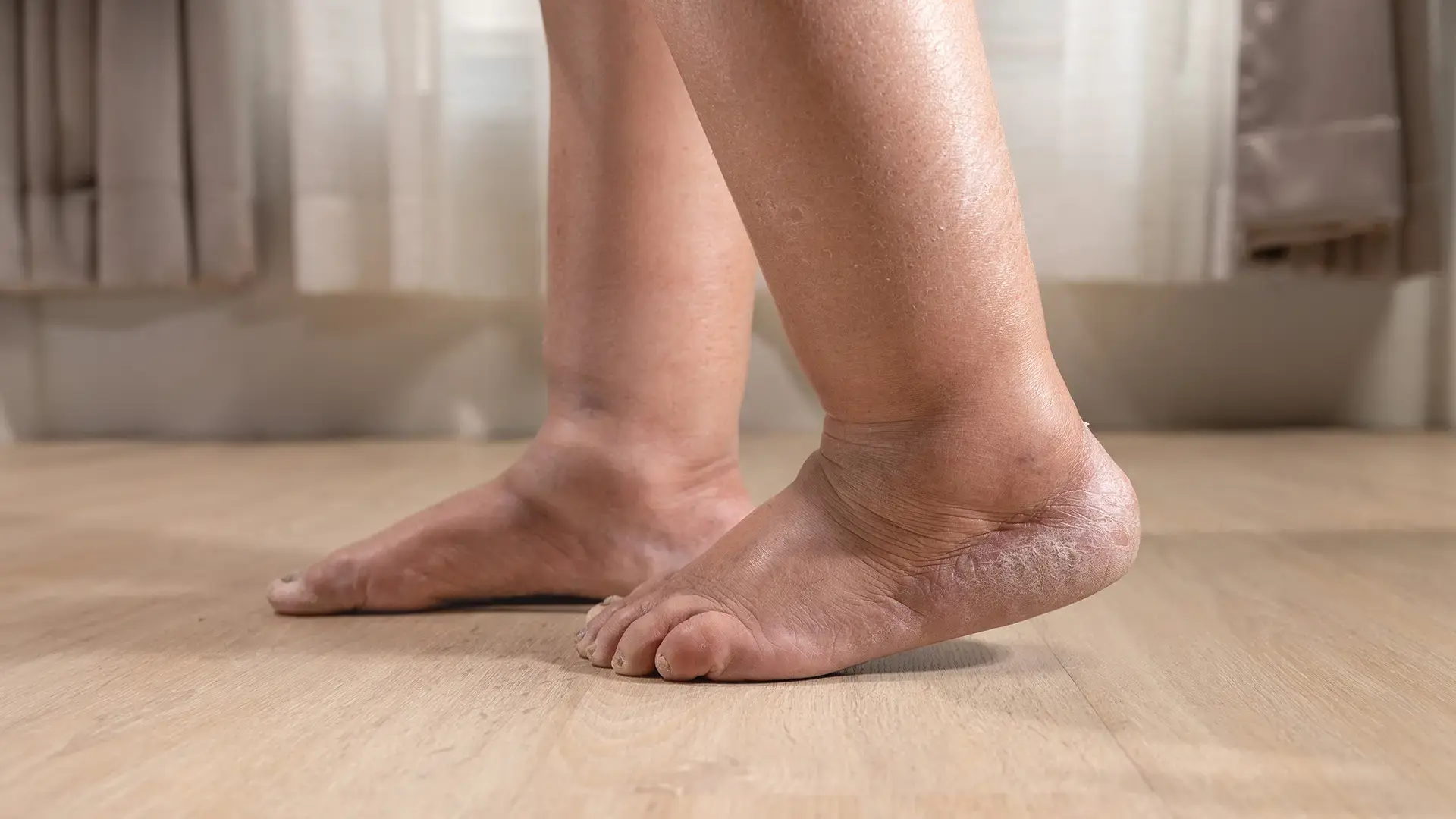
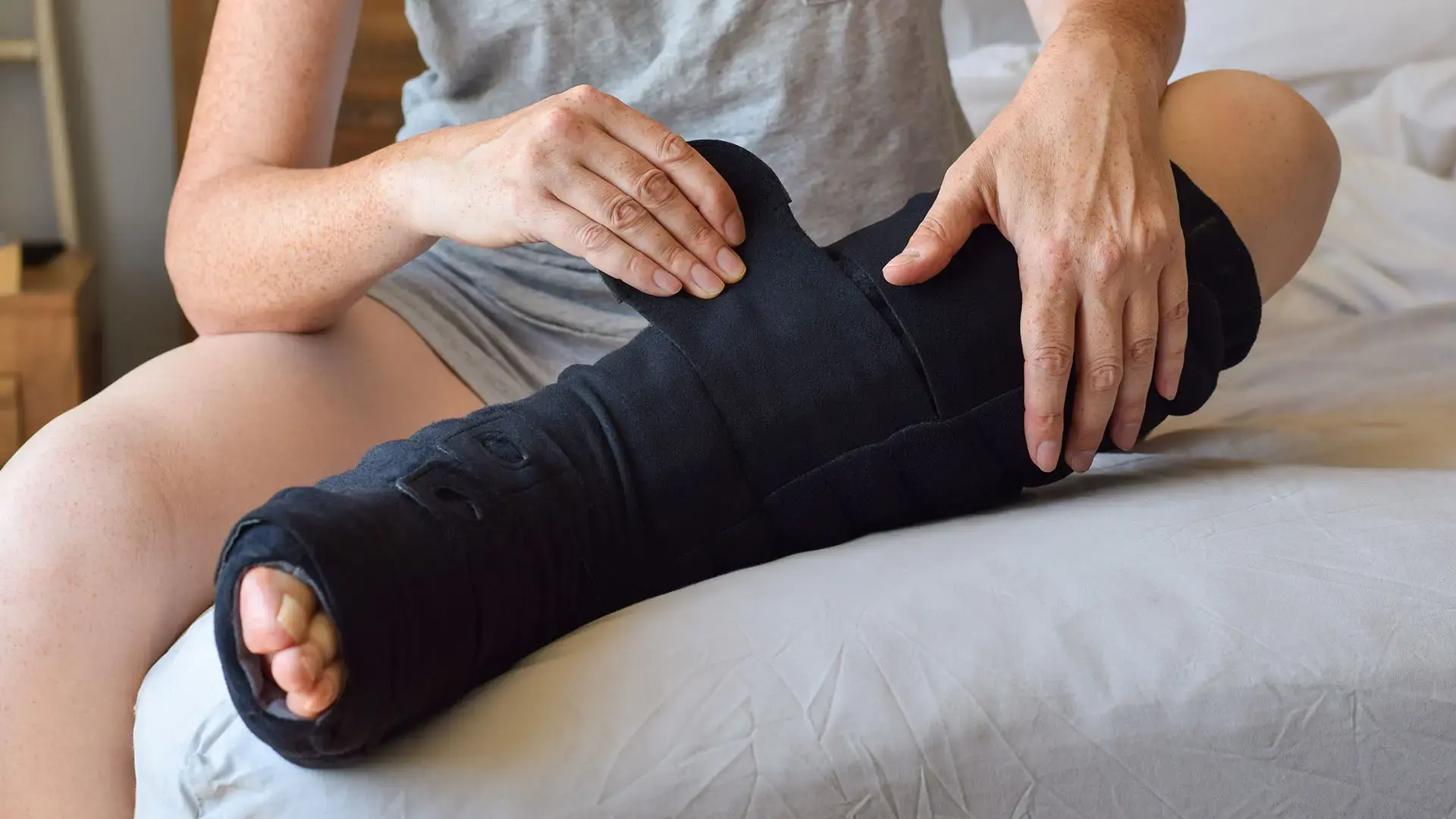
For many people living with lymphedema, the routine is exhausting and familiar: compression garments, manual drainage, and swelling that keeps coming back. Many patients are never told that lymphedema surgery is an option, or are dismissed as non-candidates before ever seeing a specialist.
For those who do reach a lymphatic microsurgery program, two procedures tend to anchor the conversation: lymphovenous bypass (LVB) and vascularized lymph node transfer (VLNT). Both are highly specialized microsurgical procedures, available only at select centers with fellowship-trained lymphatic surgeons such as Eric I. Chang, MD, FACS, a plastic and reconstructive surgeon with subspecialty training in reconstructive microsurgery and lymphatic surgery. Here's what you need to know about each, and how specialists decide between them.
What Is Lymphovenous Bypass Surgery?
Lymphovenous bypass creates direct connections between lymphatic vessels and small nearby veins, rerouting lymphatic fluid around the damaged segment of the lymphatic system and into the venous system to reduce swelling.
- Best for: Earlier-stage lymphedema (ISL Stage 1–2) with functional lymphatic vessels still present
- How it's done: Performed under local or general anesthesia through small incisions; multiple bypass connections are typically created
- Outcomes: Reduced limb volume, decreased dependence on compression garments, lower rate of cellulitis infections
Who Is a Good Candidate for Lymphovenous Bypass?
Ideal candidates of Lymphovenous Bypass have patent (open and functional) lymphatic vessels available for connection. Pre-operative lymphatic mapping using indocyanine green (ICG) fluorescence imaging determines vessel viability and whether bypass is feasible. Patients with advanced fibrotic lymphedema, where chronic disease has destroyed the lymphatic vessels, are unlikely candidates for LVB and are more often considered for VLNT.
What Is Vascularized Lymph Node Transfer (VLNT)?
Rather than rerouting existing vessels, VLNT surgery involves harvesting healthy lymph nodes from a donor site on the patient's body and transplanting them to the affected area, where they gradually generate new lymphatic connections and restore drainage over time.
- Best for: More advanced lymphedema (ISL Stage 2–3), cases with vessels too damaged for bypass, or post-radiation cases where lymphatic tissue has been destroyed
- Common donor sites: Groin (inguinal), chest (lateral thoracic), neck (cervical), omentum (abdomen), or chin (submental). The donor site is selected based on lymphedema location and patient anatomy
- Outcomes: Slower to develop than LVB (months to a year), but can produce meaningful, lasting improvement in severe cases
Can VLNT and Lymphovenous Bypass Be Combined?
In select patients with moderate-to-severe lymphedema, both procedures can be performed in the same surgical session. VLNT rebuilds lymphatic architecture while LVB creates immediate drainage pathways. This combination approach is available at specialized microsurgical centers, including The Institute for Advanced Reconstruction.
How Surgeons Decide Between LVB and VLNT
According to Dr. Chang, the decision goes well beyond staging. “The stage of a patient's lymphedema is a starting point, but it's only one piece of the puzzle. What we're really trying to understand is the quality and availability of lymphatic vessels, the degree of fibrosis in the tissue, and the history of how the lymphedema developed.”
Key factors surgeons evaluate include:
- Lymphedema stage: Earlier stages with functional vessels lean toward LVB; advanced fibrotic disease leans toward VLNT
- ICG lymphangiography results: The presence and quality of viable vessels are the single most important factor in LVB candidacy
- Cause and history: Post-cancer, primary, and post-traumatic lymphedema each present differently and may respond better to one approach
- Donor site anatomy: VLNT requires a suitable lymph node group; patient anatomy and prior surgery or radiation determine which site is safest
- Prior treatments: Previous lymphedema surgery or recurrent cellulitis infections may shift the recommendation
What Does an Evaluation Involve?
“This evaluation doesn't just tell us which procedure is appropriate,” Dr. Chang explains. “It tells us whether surgery is likely to produce meaningful benefit for this specific patient and what realistic expectations should look like.” A comprehensive evaluation includes:
- Clinical assessment of lymphedema stage and severity
- ICG lymphangiography to map lymphatic vessel function
- MRI or ultrasound to assess tissue composition and fibrosis
- Review of prior treatment history
Advanced Lymphedema Surgery, Tailored to Your Case at IFAR
Both LVB and VLNT are effective for the right candidate. “Patients deserve to know that surgery is a real option, and that the answer to whether they qualify can only come from a proper evaluation,” says Dr. Chang. “Many people have been told they're out of options when they haven't yet seen someone who truly specializes in this field.”
If you're ready to explore your options for lymphedema treatment, contact Dr. Chang and the care team at The Institute for Advanced Reconstruction for a consultation today. The Institute for Lymphatic Surgery and Innovation is recognized as a Lymphatic Disease Surgery Center of Excellence (COE) by the Lymphatic Education and Research Network (LE&RN). Our advanced procedures for lymphedema have helped dramatically improve the lives of many of our patients. We are here to help you manage your condition and develop the right treatment plan.
 Patient Login




%20after%20cancer%20treatment_.webp)