Patient Login



Lipedema vs Lymphedema: How to Tell the Difference
Swelling in the legs can feel frustrating, uncomfortable, and at times, frightening. Many patients come to us unsure whether they’re dealing with lipedema or lymphedema—and the confusion is understandable. Both conditions can cause visible swelling, changes in leg shape, and physical discomfort.
However, lipedema and lymphedema are distinct medical conditions with different causes, progression patterns, and treatment strategies.
Joseph Dayan, MD, FACS, a leading reconstructive microsurgeon at The Institute for Advanced Reconstruction, specializes in advanced lymphatic and fat disorders. As Dr. Dayan explains, “While lipedema and lymphedema may appear similar at first glance, they involve completely different underlying processes. Getting the diagnosis right is essential because the treatments are not interchangeable.”
In this article, we’ll clarify the differences between lipedema and lymphedema, identify key symptoms to look for, explain how each condition is diagnosed, and outline available treatment options. Understanding these differences can help you seek the right care with confidence.
What is lipedema?
Lipedema is a chronic fat distribution disorder characterized by abnormal, symmetrical fat buildup, most commonly in the legs and sometimes in the arms.
Unlike typical weight gain, lipedema fat:
- Is resistant to diet and exercise
- Develops symmetrically (both legs affected equally)
- Often spares the feet
Lipedema primarily affects women and is strongly influenced by hormones. It often develops or worsens during menopause, pregnancy, and puberty.
Dr. Dayan explains, “Lipedema is not simply obesity or lifestyle-related weight gain. It’s a disorder of fat metabolism and distribution. Many patients struggle for years, feeling dismissed before receiving a proper diagnosis.”
Common Lipedema Symptoms
- Easy bruising
- Leg heaviness
- Pain or tenderness to touch
- Symmetrical swelling in the legs
- Soft, nodular fat beneath the skin
Importantly, lipedema swelling typically does not involve the feet, which can help distinguish it from lymphedema.
What is lymphedema?
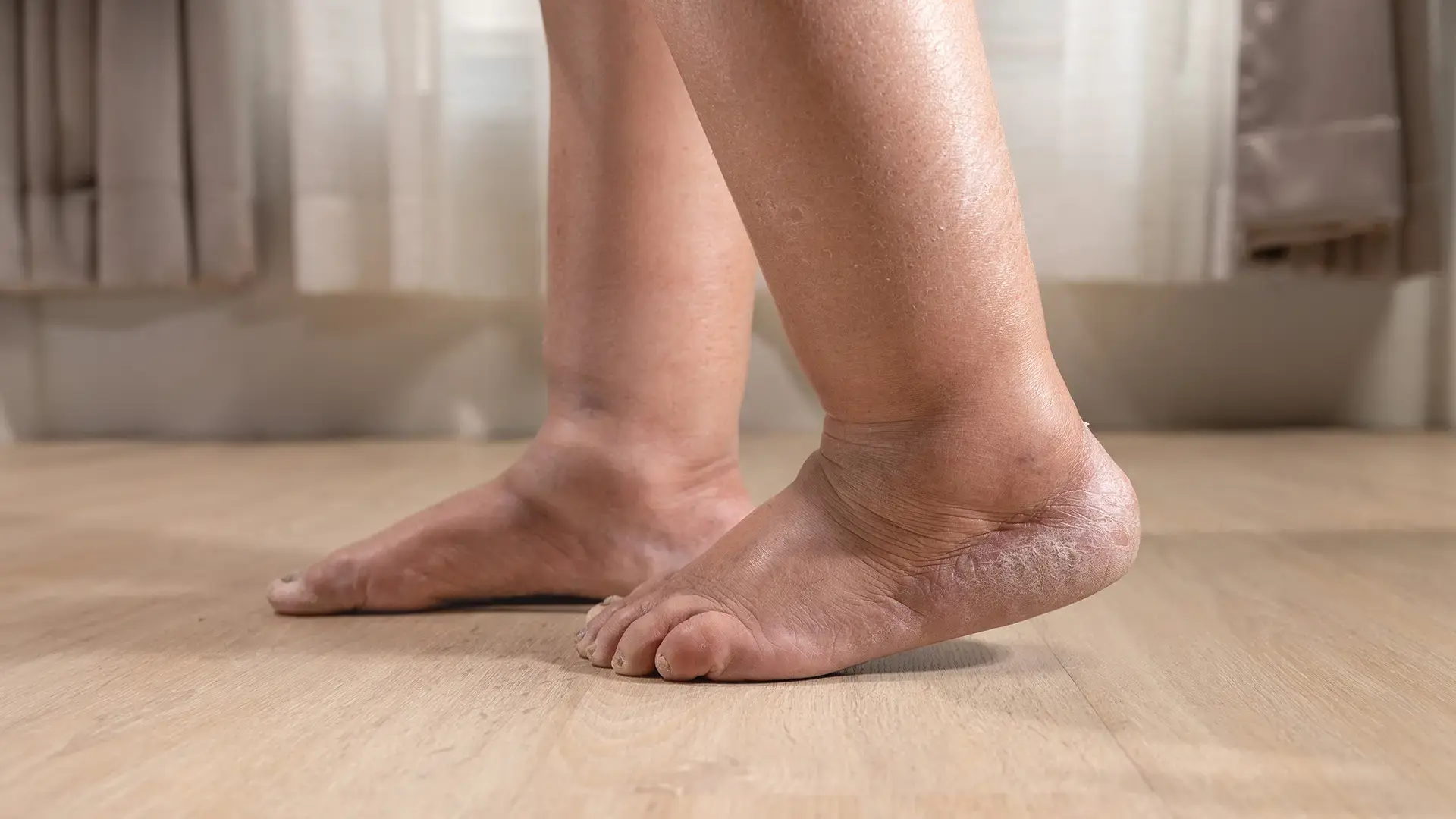
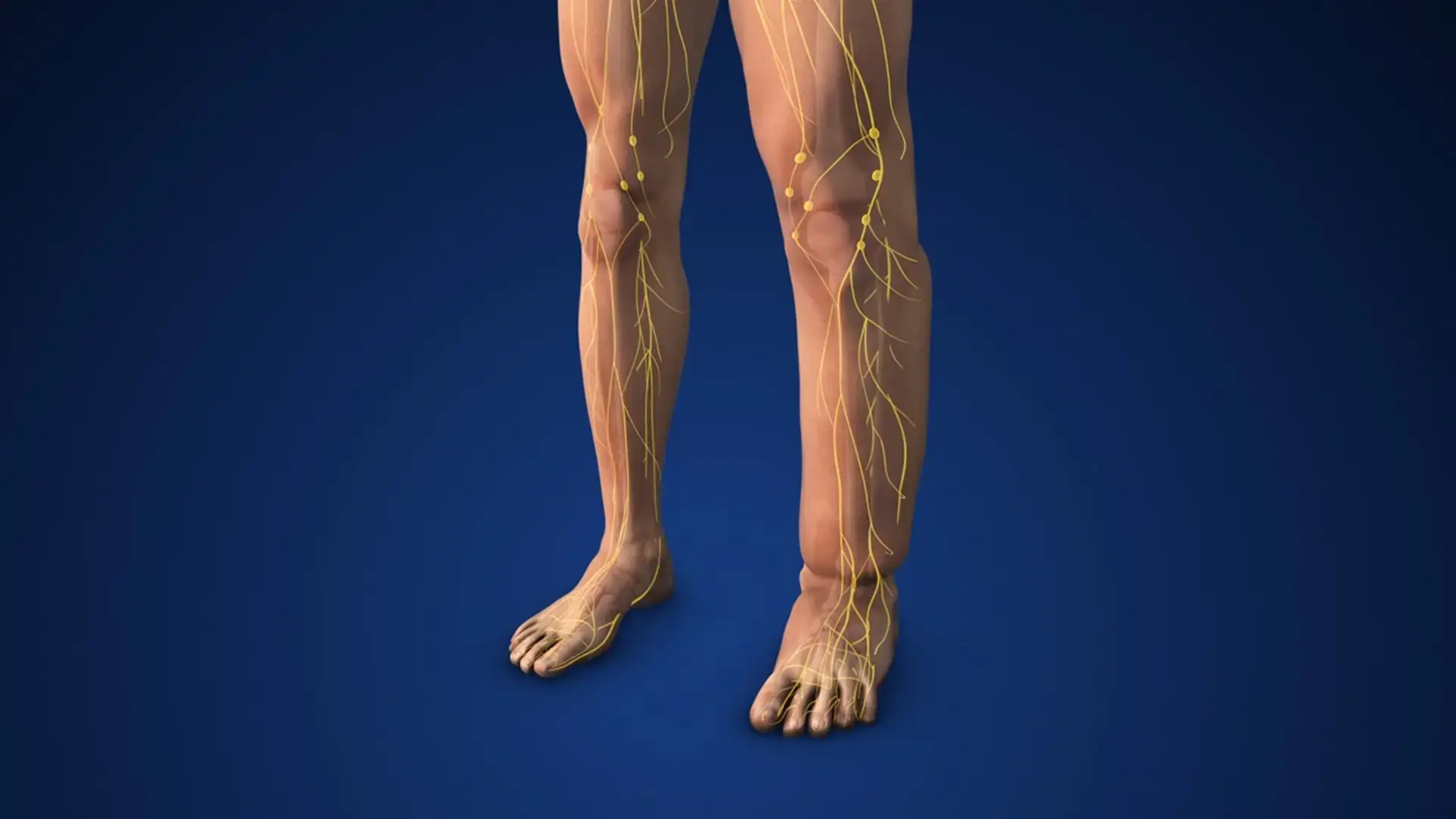
Lymphedema occurs when the lymphatic system is impaired, preventing lymph fluid from draining properly. Unlike lipedema, lymphedema is a fluid-based condition, not a fat disorder.
Dr. Dayan notes, “Lymphedema is a failure of the lymphatic drainage system. The swelling you see is fluid accumulation, and over time, that fluid can cause tissue changes if left untreated.”
There are two primary types:
Primary lymphedema: A congenital condition caused by underdeveloped or malfunctioning lymphatic vessels.
Secondary lymphedema: Acquired damage to the lymphatic system due to infection, radiation, surgery (such as lymph node removal), or trauma.
Common Lymphedema Symptoms
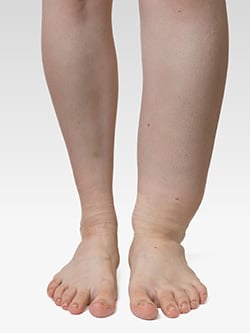
- Asymmetrical swelling (often one limb)
- Firm or tight skin
- Recurrent infections
- Swelling that includes the foot
- Thickening or hardening of the skin over time
Lymphedema may initially fluctuate but often progresses if not properly managed.
Key differences between lipedema and lymphedema
| Feature | Lipedema | Lymphedema |
|---|---|---|
| Pattern of Swelling & Symmetry | Always symmetrical Typically affects both legs Spares the feet |
Often asymmetrical May affect one limb Frequently includes the foot |
| Pain, Tenderness & Bruising | Frequently painful Easily bruises Sensitive to pressure |
Typically not painful in early stages Heaviness more common Bruising less common |
| Skin Changes & Progression | Skin remains soft Fat may feel nodular No typical thickening |
Skin may become firm or thickened Advanced fibrosis Risk of infection |
As Dr. Dayan explains, “The pattern of swelling tells us a great deal. Symmetry strongly suggests lipedema, while isolated or one-sided swelling raises suspicion for lymphedema.”
How lipedema and lymphedema are diagnosed
Diagnosis begins with a thorough physical examination and a detailed discussion of your symptoms and medical history.
At The Institute for Advanced Reconstruction, our surgeons carefully evaluate the pattern and distribution of swelling, paying close attention to whether it is symmetrical or isolated to one limb. We also discuss when symptoms began, how they have progressed over time, and whether there is a history of surgery, radiation therapy, infection, or trauma that could affect the lymphatic system. During the physical exam, skin texture, tissue firmness, and areas of tenderness are assessed to help distinguish fat-based swelling from fluid accumulation.
In some cases, advanced imaging studies may be recommended to evaluate lymphatic flow or rule out other underlying causes of swelling. These tools allow for greater precision, particularly when lymphedema is suspected or when symptoms overlap.
An accurate diagnosis ensures that treatment is targeted, appropriate, and designed for long-term improvement rather than temporary symptom control.
Treatment approaches for lipedema and lymphedema
Because lipedema and lymphedema have different causes, they require different treatment strategies.
Lipedema treatment options
Treatment for lipedema focuses on symptom management and, in select cases, surgical intervention.
Conservative approaches may include:
- Compression garments
- Lifestyle support and exercise guidance
- Manual therapy
In more advanced cases, specialized surgical procedures such as lipedema-focused liposuction may be considered to remove abnormal fat and improve mobility and discomfort.
Dr. Dayan explains, “Surgical treatment can significantly improve quality of life for properly selected lipedema patients. The key is ensuring the diagnosis is correct before pursuing any intervention.”
Lymphedema treatment options
Lymphedema treatment aims to improve lymphatic drainage and reduce fluid accumulation.
Standard treatment approaches include:
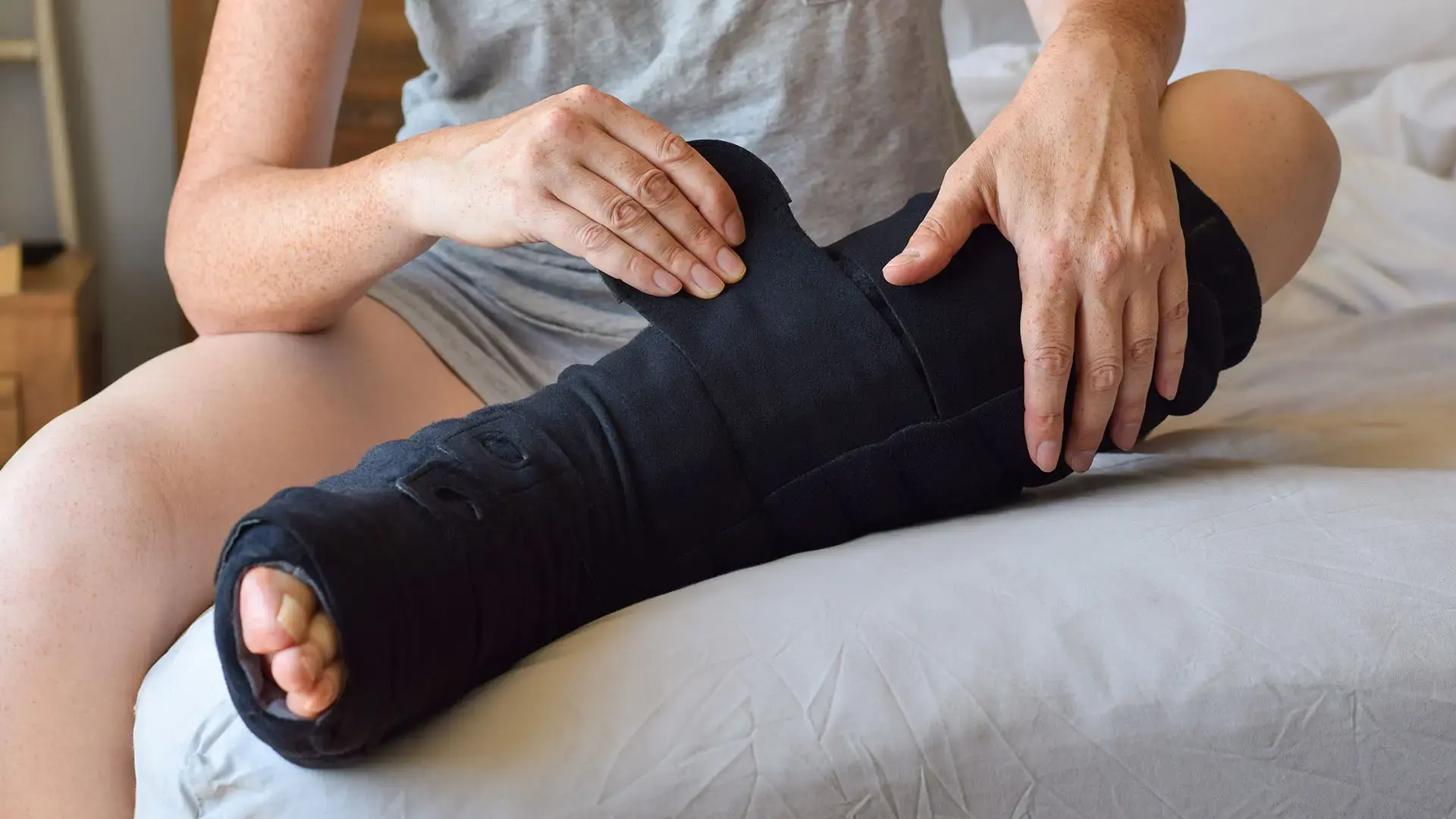
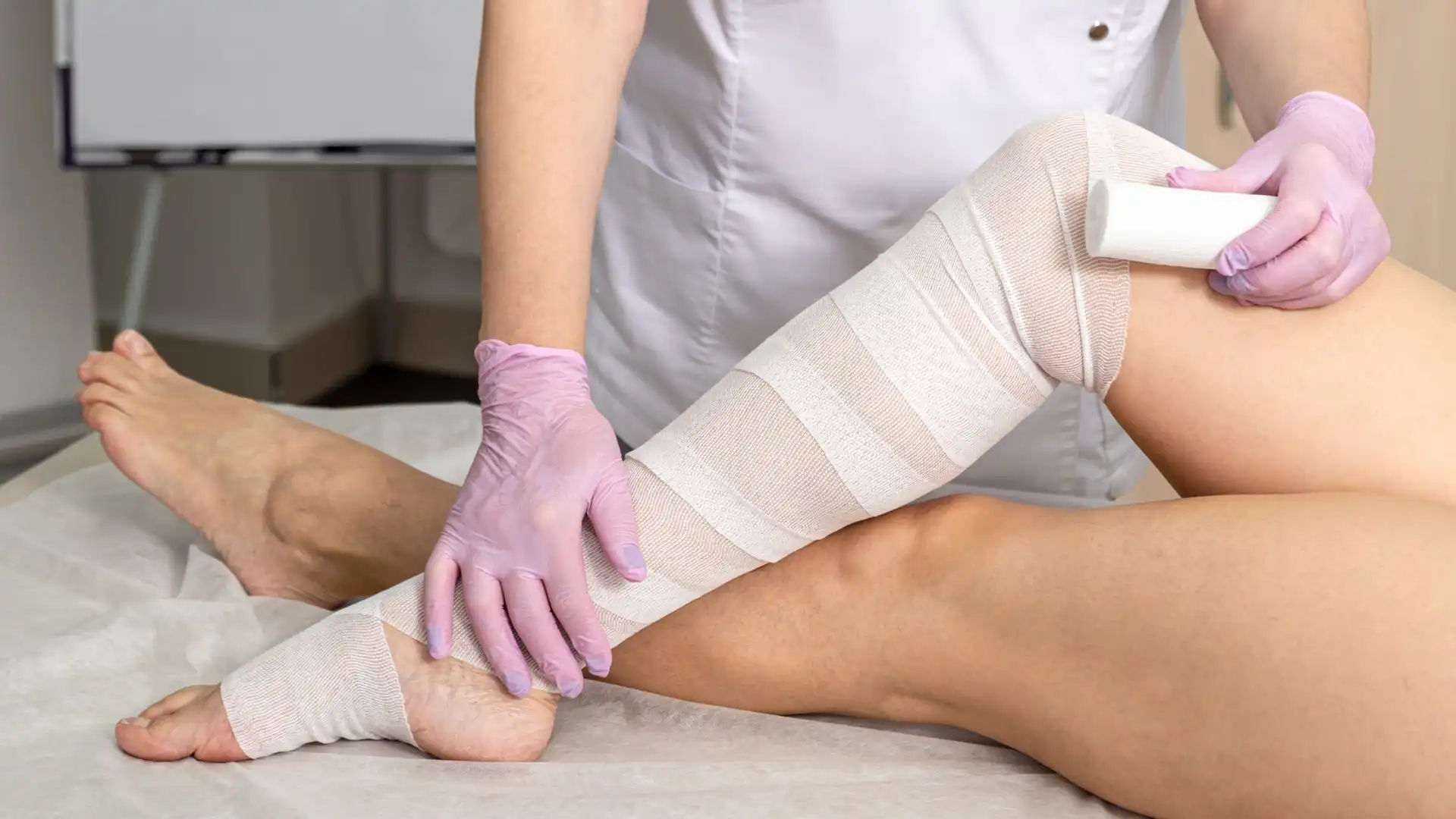
- Compression therapy
- Manual lymphatic drainage
- Specialized rehabilitation programs
In advanced cases, surgical options such as lymphatic bypass or vascularized lymph node transfer may be appropriate.
“At specialized centers like The Institute, we can offer microsurgical procedures that restore lymphatic flow in carefully selected patients,” says Dr. Dayan. “These techniques require expertise in supermicrosurgery and lymphatic mapping.”
Why an accurate diagnosis matters
Misdiagnosis can delay effective treatment and worsen symptoms over time.
Treating lipedema as lymphedema, or vice versa, may lead to:
- Inadequate symptom relief
- Progression of swelling
- Increased discomfort
- Reduced quality of life
An accurate evaluation allows for a targeted, personalized treatment plan designed to improve comfort, mobility, and long-term outcomes.
Get a clear diagnosis and personalized treatment plan with The Institute of Advanced Reconstruction!
While lipedema and lymphedema may look similar, they are fundamentally different conditions requiring specialized care.
The Institute for Advanced Reconstruction is home to nationally recognized experts in lymphatic surgery and reconstructive microsurgery. With advanced diagnostic tools and innovative surgical techniques, The Institute provides comprehensive, patient-centered treatment tailored to your unique needs.
If you’re experiencing persistent leg swelling and are unsure of the cause, don’t wait.
Request an Appointment with Dr. Dayan and the expert care team at The Institute for Advanced Reconstruction to receive a clear diagnosis and personalized treatment plan designed to restore comfort, function, and confidence.

%20after%20cancer%20treatment_.webp)