It might start as an ache in your shoulder. Then your hand begins to tingle, and your fingers may feel numb. If you’re living with shoulder pain and hand numbness, you’re not imagining things. These symptoms are often linked, and the answer usually points to the brachial plexus.
“The shoulder and hand are more connected than most people realize,” says Sidney Rabinowitz, MD, FACS, board-certified surgeon at The Center for Hand & Upper Extremity Surgery. “When something disrupts that connection, symptoms can show up far from the original problem.”
What Is the Brachial Plexus?
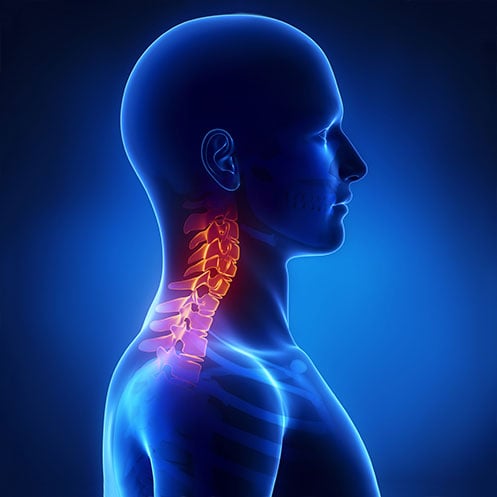
The brachial plexus is a network of nerves that starts in your neck and travels through your shoulder into your hand.
Think of it like a bundle of electrical cables. These nerves control movement and sensation in your arm and hand. Because this nerve network passes through tight spaces, it’s vulnerable to compression or injury. When that happens, it can lead to upper extremity nerve pain, weakness, or numbness.
What Triggers Hand and Arm Numbness in the Shoulder?
When tissues around the shoulder become inflamed, injured, or compressed, they can put pressure on your brachial plexus. That pressure disrupts nerve signals, triggering numbness, tingling, or weakness.
Common hand numbness causes include:
- Cervical disc herniation near the shoulder, causing cervical radiculopathy symptoms
- Rotator cuff injuries, where inflammation affects nearby nerve structures
- Shoulder dislocations or trauma that stretch or compress the nerves
- Thoracic outlet syndrome symptoms, where nerves get compressed between the collarbone and the first rib
This is why you may notice shoulder pain radiating to the hand or arm. In some cases, even the fingers affected can help identify which part of the nerve pathway is involved.
Left untreated, nerve compression can lead not just to discomfort, but also to lasting weakness or loss of function.
Brachial Plexus Symptoms to Watch For
Brachial plexus symptoms often follow a pattern:
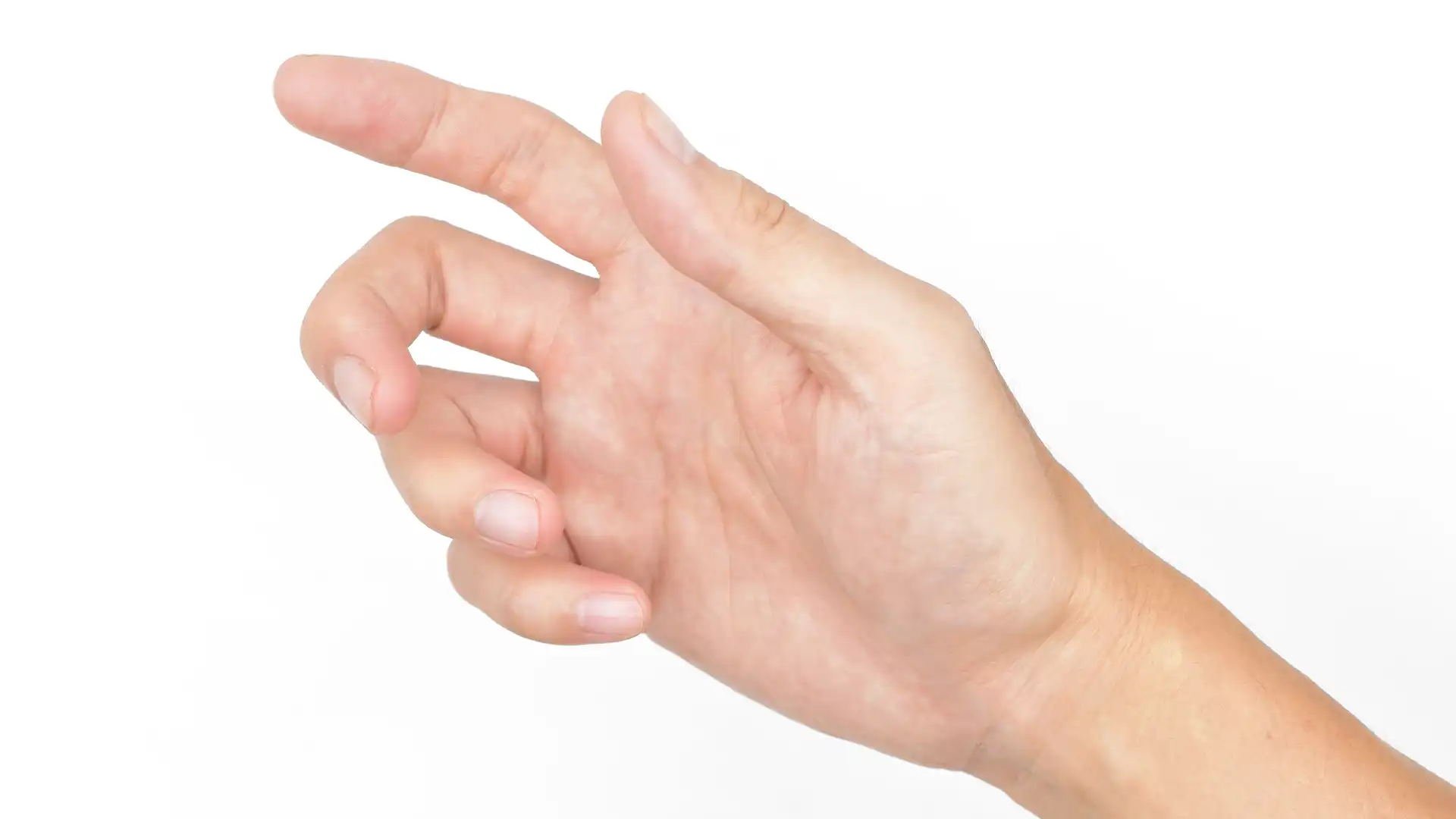
- Arm numbness from the shoulder or tingling in the fingers
- Burning pain that travels from the shoulder down the arm
- Hand weakness that affects grip, pinching, or lifting
- Muscle loss in the hand or arm
- Persistent shoulder pain that doesn’t improve with rest
If you’re experiencing nerve pain from the shoulder to the hand, these symptoms may point to a deeper issue than a simple strain.
Surgical Treatment Options for Brachial Plexus Injuries
For mild or early symptoms, treatments such as physical therapy or activity modifications may provide temporary relief. But when symptoms continue, or brachial plexus nerve damage is severe, surgery is often the most effective path forward.
“At a certain point, the goal shifts from managing symptoms to restoring function,” Dr. Rabinowitz explains. “That’s where specialized nerve surgery becomes critical.”
Surgical Procedures for Brachial Plexus Conditions
At The Center for Hand and Upper Extremity Surgery, surgical options include:
- Brachial plexus reconstruction: Repairs nerve pathways to restore sensation and movement
- Nerve transfers: Redirect healthy nerves to bypass injured ones and return control
- Targeted muscle reinnervation (TMR): Rewires nerve signals to improve function and relieve chronic nerve pain
These procedures offer patients an opportunity to regain strength, reduce pain, and improve daily movement.
Frequently Asked Questions About Shoulder Pain and Hand Numbness
Can shoulder pain really cause numbness in my hand?
Absolutely. The brachial plexus connects the shoulder to the hand. When it’s compressed or irritated, symptoms can appear in the fingers. This connection is well understood and often treatable with the right evaluation.
What is the brachial plexus, and why does it matter for shoulder and hand pain?
It’s the nerve network that controls sensation and movement from your shoulder to your fingertips. If it’s injured or compressed anywhere along its path, you may feel symptoms throughout the arm or hand.
When does brachial plexus injury require surgery?
Surgery may be recommended when symptoms are severe, worsening, or not improving with conservative care. Procedures like nerve transfers or reconstruction are most effective when performed by a specialist. Requesting a consultation early can help preserve function.
How do I know if my hand numbness is coming from my shoulder or somewhere else?
The pattern of symptoms matters, especially which fingers are affected and whether pain travels from the shoulder or neck. An evaluation can pinpoint the exact source and guide treatment.
Find Answers for Shoulder and Hand Nerve Pain at The Center for Hand & Upper Extremity Surgery
If you’re still searching for answers, schedule a consultation and take the next step toward a clearer diagnosis and a more targeted path forward.
At The Center for Hand & Upper Extremity Surgery, we treat chronic pain in hands, hand, wrist, arm, and shoulder arthritis, nerve injuries, and other common causes of chronic hand pain.
If you are ready to treat your brachial plexus injury, contact Dr. Rabinowitz and the care team at The Center for Hand & Upper Extremity Surgery, part of The Institute for Advanced Reconstruction, for a consultation today.
 Patient Login









.png)