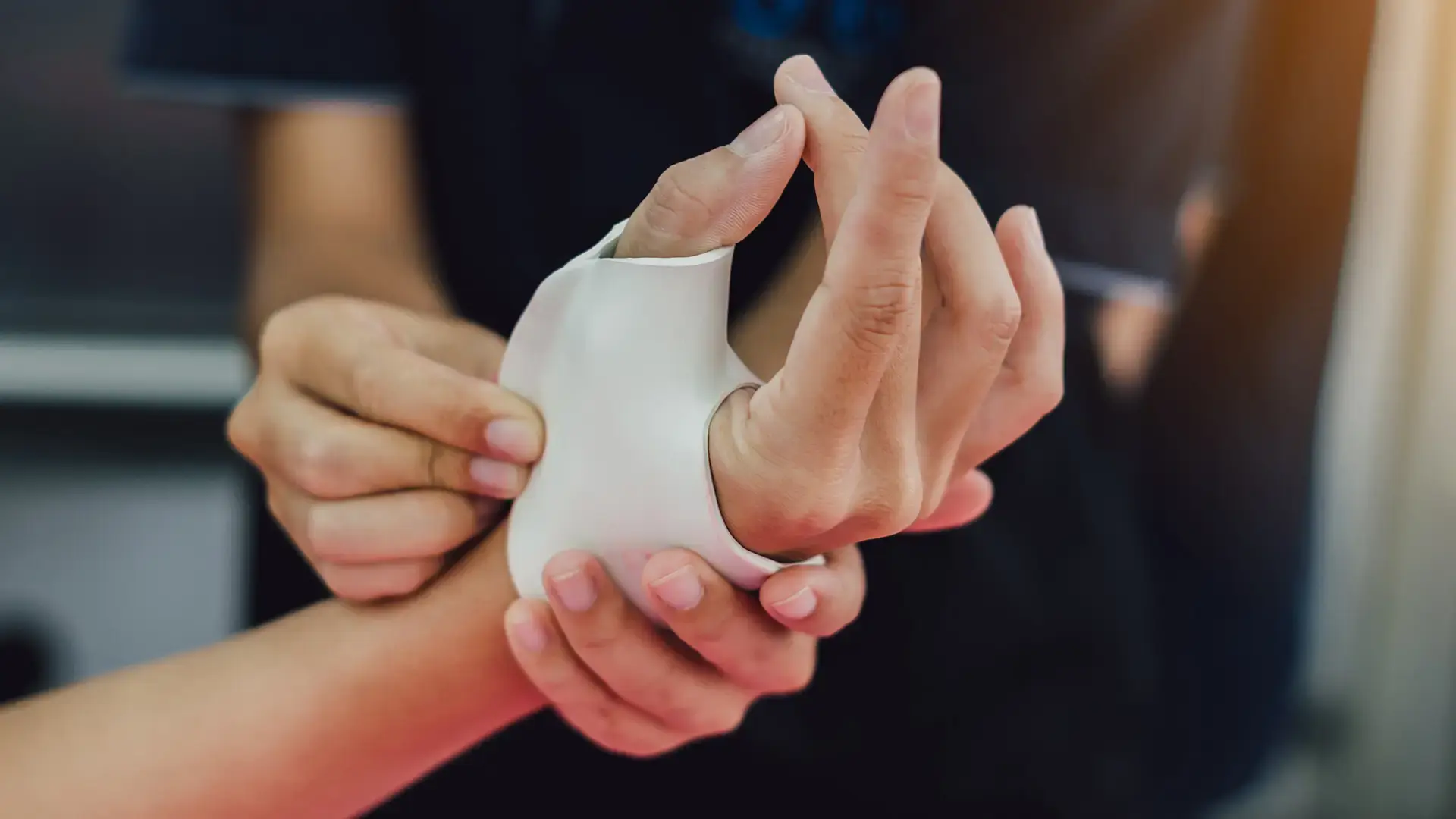
After a stroke, some patients find that their hand gradually curls into a fist they can't open, making everyday movements frustrating. This condition, known as hand spasticity, can be one of the most challenging barriers to regaining independence.
“One of the hardest parts for patients is losing the ability to perform simple tasks,” says Hari Iyer, MD, FAAOS, a surgeon at The Center for Hand & Upper Extremity Surgery. “Something as basic as opening the hand, cleaning the palm, or holding an object can become difficult, which affects both independence and quality of life.”
Although a clenched or curled hand may seem permanent, today's treatment options can help many patients regain function and comfort.
Why Does Stroke Cause Hand Spasticity?
A stroke interferes with the brain signals that regulate muscles and movement. When those signals are damaged, muscles in the hand and forearm may stay in a state of contraction, resulting from spasticity after a stroke. This can cause muscle stiffness, making it difficult to open the hand.
Several factors can influence the severity of hand contractures after stroke:
- Brain injury location and severity
- Delayed or insufficient rehabilitation
- Time elapsed since a stroke
Without treatment, a contracted hand after a stroke may become harder to correct.
Recognizing Hand Spasticity After Stroke
To patients and caregivers, hand spasticity can present in various ways. Common signs include:
- A clenched hand that cannot be opened
- A wrist that’s flexed or extended in an uncontrolled way
- Curled fingers after a stroke that resist straightening
- Difficulty with fine motor tasks, like gripping or writing
- Pain or discomfort from prolonged muscle tension
- Skin breakdown or hygiene challenges on the affected hand
Does spasticity go away after a stroke? While some mild cases may get better within the first few months after the stroke, persistent symptoms often require specialized treatment.
Surgical Treatments for Hand Spasticity After Stroke
For mild or newly developed spasticity, physicians may recommend physical therapy, oral medications, or botulinum toxin injections to manage symptoms. However, these approaches may not fully restore hand function, especially when significant contracture has already taken root.
When conservative treatment reaches its limits, surgery can provide the best opportunity for meaningful hand recovery after stroke.
Muscle Denervation and Nerve Transfers
When abnormal muscle tone is related to disrupted nerve signaling, muscle denervation, and nerve transfer procedures can restore communication between nerves and muscles. These advanced techniques can improve voluntary control while relieving spasticity symptoms.
Tendon Releases and Transfers
A tendon release or transfer for stroke can rebalance the forces acting on the hand and wrist. By repositioning tendons, surgeons can help correct a hand contracture after a stroke, loosen finger positioning, and restore the ability to open and use the hand.
Frequently Asked Questions About Hand Spasticity After Stroke
Does hand spasticity after a stroke go away on its own?
Some patients experience gradual improvement as the brain and nervous system recover within the first few months after their stroke, especially if rehabilitation begins early. However, spasticity often requires additional treatment to prevent worsening stiffness and loss of motion.
What causes a clenched fist posture after a stroke?
A stroke can cause the normal communication patterns between the brain and the muscles to become strained. This imbalance often causes some muscle groups to become overactive, like those that flex the fingers and wrist. The hand may then remain curled or clenched.
Can surgery restore hand function after stroke?
Surgical treatment can address the underlying mechanical and neurological factors causing spasticity. As a result, surgery may also improve hand positioning, restore the ability to open the hand, reduce discomfort, and simplify daily care.
When should I see a specialist for hand spasticity after a stroke?
If hand stiffness, finger curling, or a clenched fist is making everyday activities harder, it may be worthwhile to seek a specialist evaluation. Patients who continue to experience pain or struggle with hand positioning may benefit from learning about advanced treatment options.
Restoring Hand Function After Stroke Starts at The Center for Hand & Upper Extremity Surgery
A spastic hand after a stroke doesn’t signal the end of recovery. While curled fingers and loss of hand function can feel permanent, advanced reconstructive procedures continue to help patients regain movement long after a stroke has occurred.
“Patients are often surprised to learn that meaningful improvement may still be possible years after their stroke,” says Dr. Iyer. “With the right surgical approach, we can often help patients feel more comfortable, independent, and confident.”
At The Center for Hand & Upper Extremity Surgery, our surgeons specialize in advanced procedures designed to address severe hand spasticity. If stroke-related hand stiffness or contracture is limiting your daily life, schedule a consultation to determine which treatment options may be available.
 Patient Login






.png)