If you’ve ever played a guitar solo, typed up a report, or gripped a tool for hours, you know how much your hands matter. For musicians, typists, and manual workers, each movement is a finely tuned part of their livelihood and their identity. That’s why when a finger starts locking, catching, or refusing to move smoothly, it’s more than just discomfort; it’s a potential career setback.
“Trigger Finger may seem like a minor inconvenience at first, but if left untreated, it can lead to lasting stiffness and pain,” says Sidney Rabinowitz, MD, FACS, triple board-certified plastic, reconstructive, hand and microsurgeon at The Center for Hand and Upper Extremity Surgery (HUES). “Early recognition and proper treatment are key to preserving both function and quality of life.”
What is Trigger Finger?
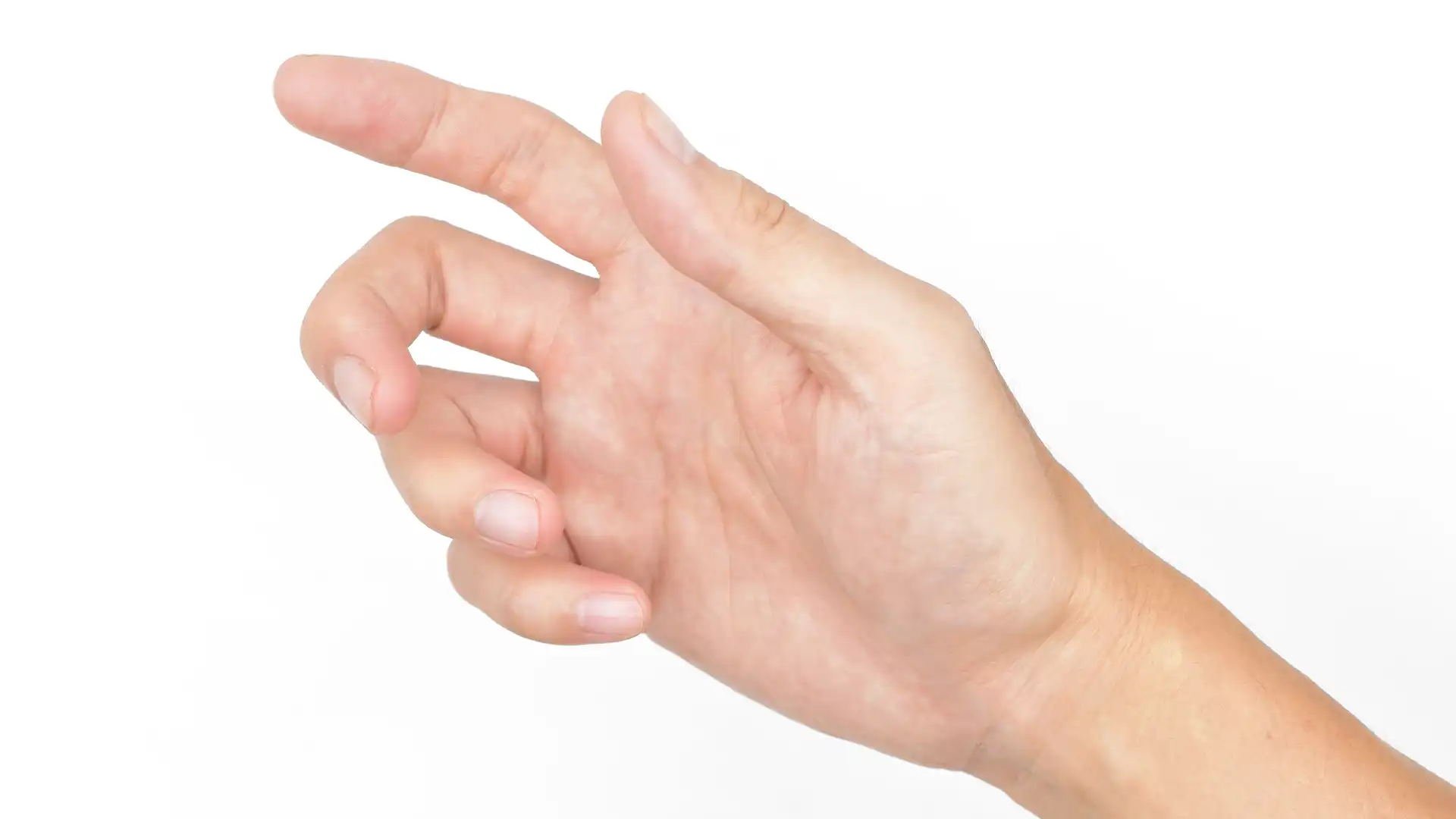
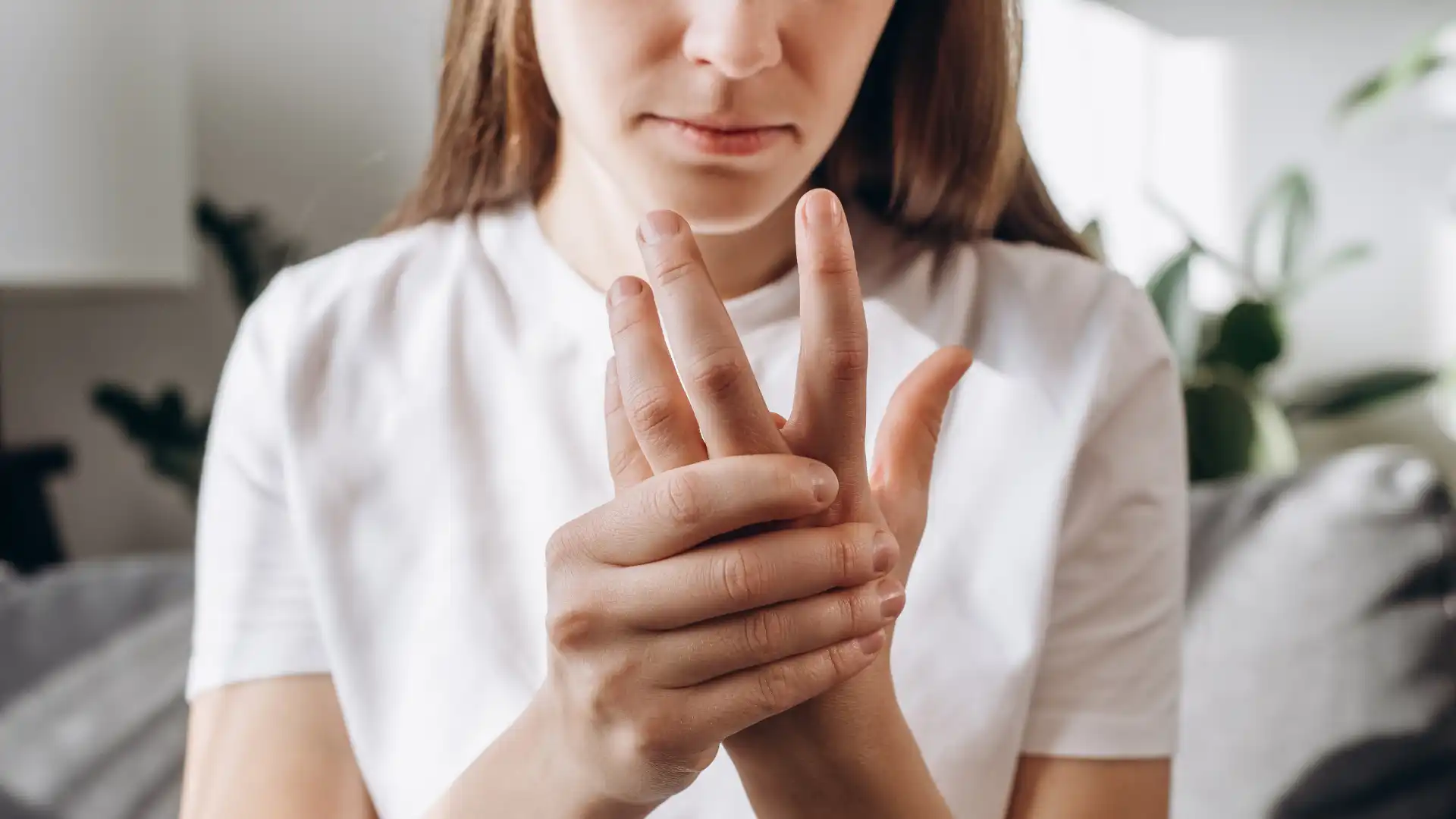
Trigger Finger, or stenosing tenosynovitis, occurs when inflammation narrows the sheath around a finger tendon, making it difficult for the tendon to glide smoothly. The result is a finger that may:
- Catch or lock in a bent position
- Click or snap when straightened
- Feel stiff, especially in the morning
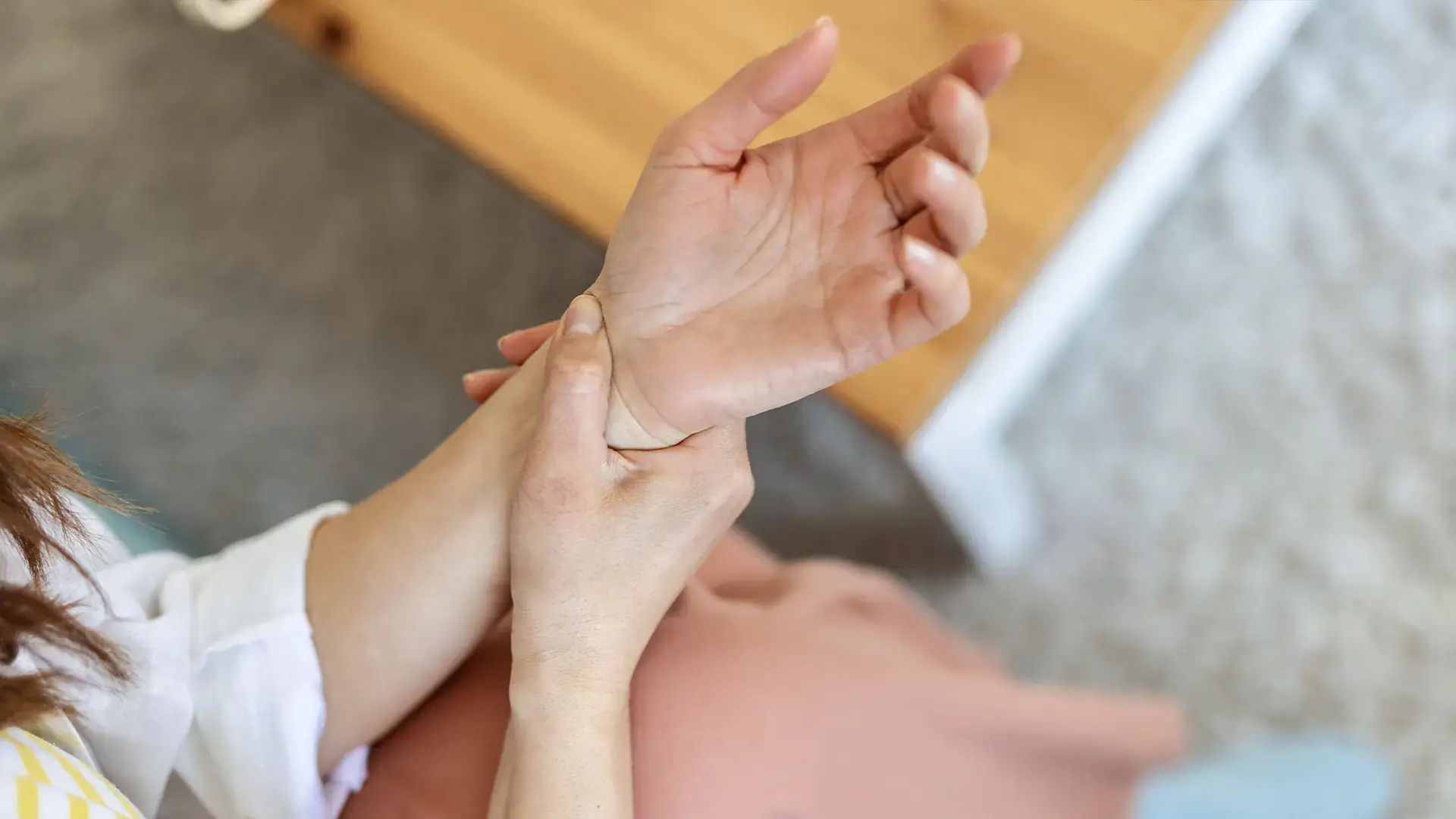
- Become painful at the base of the finger or thumb
Trigger Finger can affect any digit and the symptoms often start subtly and progress over time. Early diagnosis allows for more treatment options and helps prevent permanent joint contractures.
Trigger Finger and Its Impact on Musicians, Typists, and Manual Workers
Musicians, typists, and manual workers share one thing in common: repetitive hand use under tension. That repetition increases strain on the flexor tendons, making these groups more susceptible.
- Musicians may notice difficulty with intricate fingering or chord transitions.
- Typists may feel their typing speed and accuracy slipping as stiffness sets in.
- Manual workers, from carpenters to assembly line operators, may struggle to grip tools or perform fine motor tasks.
Studies show that Trigger Finger affects roughly 2–3% of the general population, but rates can be significantly higher in high-use occupations. “When every movement of your hand is tied to your livelihood, even a small loss of mobility can feel overwhelming,” Dr. Rabinowitz notes. “That’s why specialized care is so critical for these patients.”
Prevention Strategies for Trigger Finger
While not all cases can be avoided, reducing strain on the tendons can help. For high-risk groups, prevention includes:
- Adaptive tools and grips that reduce finger strain
- Ergonomic workstations to maintain neutral wrist and hand positioning
- Frequent breaks to stretch and rest the fingers and hands
- Warm-up exercises before prolonged playing, typing, or tool use
Treatment Options for Trigger Finger
“At HUES, our treatment plans are tailored to the individual, but the focus is always on restoring function and comfort, especially for those whose professions depend on precision hand use,” says Dr. Rabinowitz.
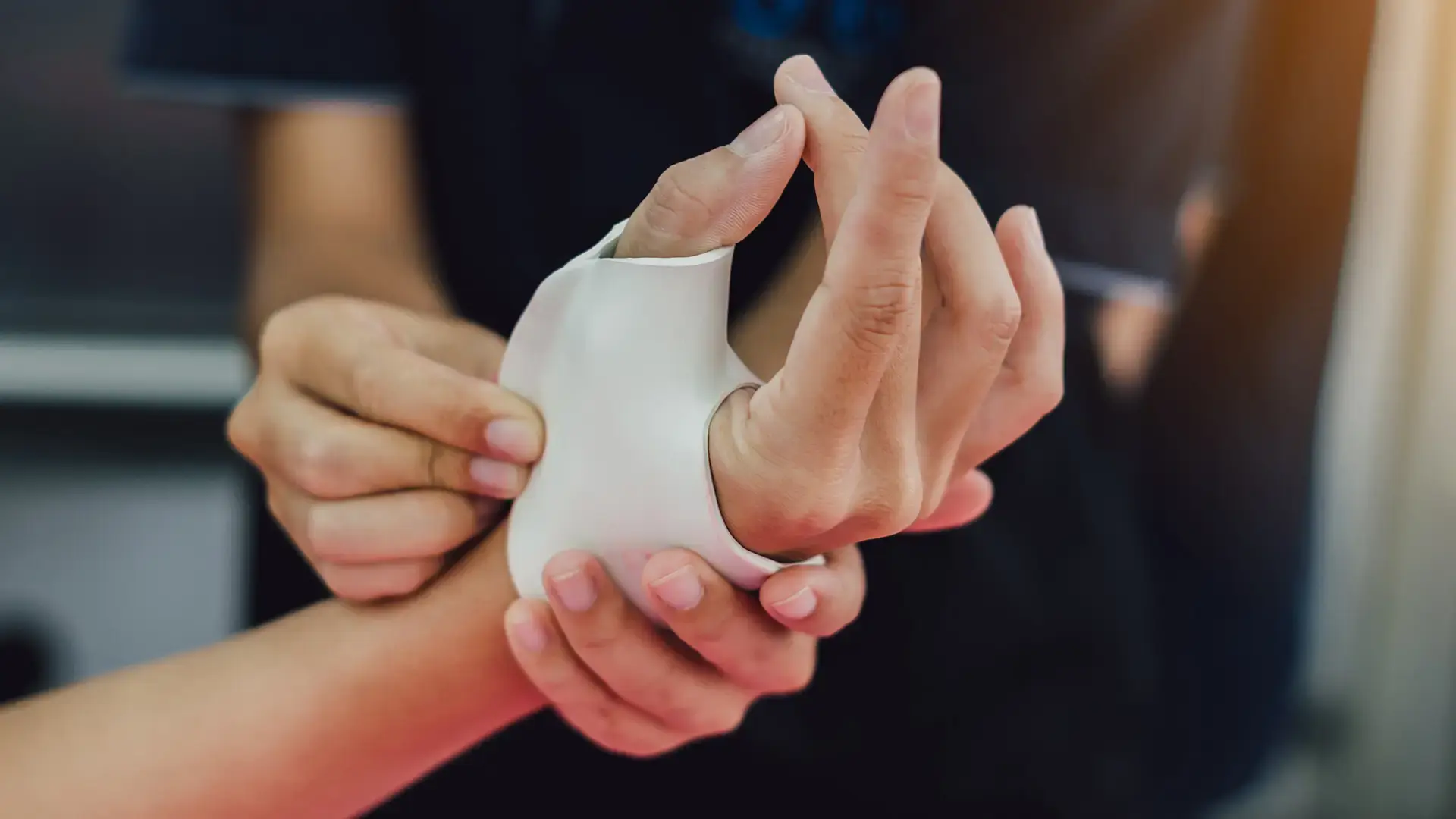
Non-surgical care may include splinting, activity modification, or corticosteroid injections to reduce inflammation. However, for persistent or severe cases, surgical intervention offers the most definitive relief.
HUES’s surgical team specializes in advanced microsurgical and tendon procedures, including:
Minimally Invasive Trigger Finger Release
This surgery involves making a small incision to open the tight portion of the tendon sheath so the tendon can glide smoothly again. By relieving the constriction, it immediately reduces locking, catching, and pain while allowing a faster recovery than traditional open surgery.
Tendon Reconstruction
For severe or recurring cases, the damaged or scarred portion of the tendon is repaired or reconstructed to restore its full range of motion. This approach is especially valuable when Trigger Finger has been left untreated for a long time or is complicated by prior injury or surgery.
Nerve Decompression or Repair
If swelling or scar tissue from Trigger Finger irritates nearby nerves, decompression releases the pressure, and repair restores nerve integrity. This not only improves tendon function but can also relieve numbness, tingling, or weakness in the affected finger.
Find Trigger Finger Relief in New Jersey Today
Whether you’re a concert pianist, a coding professional, or a skilled tradesperson, Trigger Finger doesn’t have to end your career—or your passion. At HUES, you’ll find highly-skilled surgeons like Dr. Rabinowitz, whose expertise spans complex tendon and nerve procedures rarely available outside major academic centers.
With convenient locations across New Jersey, HUES offers comprehensive, team-based care from diagnosis to full recovery.
If Trigger Finger is affecting your work or daily life, request a consultation with Dr. Rabinowitz and the surgical team at The Center for Hand and Upper Extremity Surgery. The sooner you seek specialized care, the sooner you can get back to doing what you love without pain or limitation.
 Patient Login








.png)