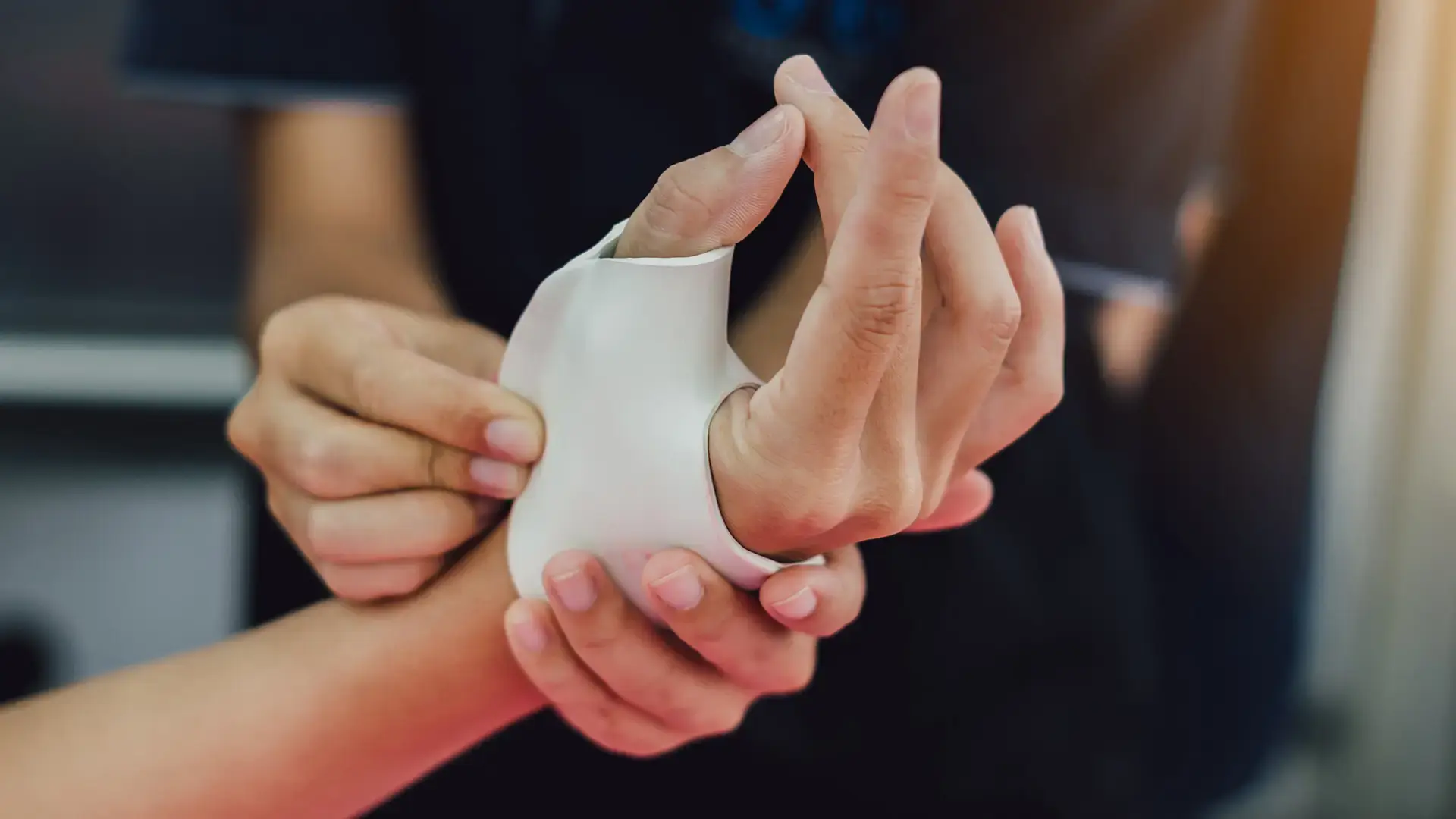
After your 30s, your hands and wrists may feel stiff, sore, and achy. You once typed and filed effortlessly, but now, frequent breaks, knuckle cracking, and pain relievers become part of the day. In fact, over 10 years, an estimated 3,000 to 7,000 cell phone–related hand and wrist injuries occurred annually in the U.S.
“Desk work may seem harmless, but the small, repeated motions of typing, scrolling, and gripping a mouse can strain your wrist joints. Technology has evolved far more rapidly than the human hand. We’re built for hunting and gathering, not repetitive typing and fine motor tasks for 8 or more consecutive hours a day,” says Dr. Hari Iyer, MD, FAAOS, fellowship-trained hand and upper extremity surgeon at The Center for Hand and Upper Extremity Surgery (HUES). “Over time, this can lead to stiffness, cartilage breakdown, and arthritis if not addressed early.”
Why Desk Jobs Can Take a Toll on Your Wrists
Desk jobs today can take a toll on your wrists because they often involve repetitive motions, such as typing, clicking, or swiping, that can lead to arthritis and repetitive strain injuries (RSIs). Desk work can affect multiple parts of your body from your hands and wrist, all the way up to your shoulders and neck. More specifically, the factors that can affect your wrists include:
- Lack of ergonomic support
- Long hours without breaks
- Poor posture or wrist positioning
- Repetitive motions that twist or compress the wrist
Specific conditions that can occur after long-term desk work can include some or all of the following:
- Carpal tunnel syndrome
- Epicondylitis (elbow pain from straining our finger muscles)
- Muscle strains and low back injuries
- Trapezius strain from poor posture (shoulders)
- Tendinitis
- Trigger finger
- Thumb arthritis
When wrist pain does occur, it can interfere with daily activities like holding a coffee cup, gardening, or carrying your child through the park. You may feel sore or exhausted after long days at work, and eventually, the pain associated with the above conditions can become unrelenting.
Early Signs of Wrist Arthritis You Shouldn’t Ignore
Arthritis can creep up on you as you age, often developing gradually. This means that early symptoms can be easily overlooked. Be sure to watch for:
- Morning stiffness or soreness
- Persistent or dull pain during or after work
- Swelling or tenderness around the joint
- Weak grip strength or reduced range of motion
If these symptoms persist, it’s important to see a hand and wrist specialist. Sometimes it can be helpful to note specific activities that are now difficult to do, like twisting open a bottle or working a can-opener. Letting your physician know about these specific tasks can help them diagnose and treat you.
Preventing Wrist Arthritis at Work
Conservative measures can certainly help alleviate arthritis symptoms when they are caught early. Wrist pain prevention begins with daily habits at work and home that support joint health and reduce repetitive stress. Start simply by optimizing your workspace, and:
- Keep wrists straight while typing, elbows at 90 degrees
- Position your monitor at eye level to improve posture
- Take micro-breaks every 30–60 minutes to stretch and rotate wrists
- Use an ergonomic chair with lumbar support
- Use an ergonomic keyboard and mouse to reduce pressure
“Small preventive steps go a long way,” says Dr. Iyer. “Adding simple wrist exercises—like rotations, flexion stretches, and grip squeezes—just a few minutes each hour can maintain flexibility, support muscle balance, and protect your wrists for years to come.”
Treatment Options When Wrist Pain Persists
You have a new office chair and setup, and alarms on your phone to remind you to take frequent breaks. But if ergonomic changes and breaks aren’t enough, you may need medical treatment to relieve pain and protect hand and wrist function. Non-surgical treatments, such as activity modification, immobilization, and physical therapy, can reduce swelling while improving mobility and strength.
While conservative measures are a great place to start, don’t wait for surgical reconstruction. Surgery for wrist and thumb arthritis has been perfected over decades and can substantially improve your quality of life.
There are minimally invasive surgical options to internally “numb” a joint by ablating the sensory nerves that transmit pain signals from your joint to your brain. We call this a joint denervation. Joint denervation surgery has minimal downtime because we don’t place any implants or have to wait for any internal structures to heal. Most patients are back to work within 2-3 weeks.
There are definitive surgical options for wrist and thumb arthritis, specifically joint replacements (arthroplasty). While recovery is a bit longer, at around 2 months, this option provides long-lasting and definitive relief of pain. Patients often are completely pain-free after surgery, and many state that they wish they had undergone the surgery sooner.
Combat Wrist Pain and Wrist Arthritis Today
“You don’t have to give up your desk job to restore mobility and preserve your long-term joint health,” Dr. Iyer assures.
Whether you’re experiencing early stiffness or advanced arthritis, our team of world-renowned upper extremity surgeons combines advanced diagnostics with personalized treatment to restore wrist function and reduce pain—so you can stay productive, active, and pain-free.
Request a consultation to discuss your symptoms and explore treatment tailored to your needs.
 Patient Login











.png)