Shortness of breath, fatigue, and chest discomfort are all symptoms that could stem from injury to the phrenic nerve. The phrenic nerve controls your diaphragm, which is the main muscle responsible for allowing the lung to fill during inhalation. When this nerve is damaged, it can lead to paralysis of the diaphragm muscle and interfere with your normal breathing patterns, leading to these uncomfortable symptoms.
This article explores the symptoms, daily impact, and treatment options for phrenic nerve damage. To provide expert insight, we've consulted Dr. Matthew Kaufman, a double board-certified Plastic & Reconstructive surgeon and Head & Neck surgeon with 20 years of experience managing phrenic nerve injuries.
Understanding the Phrenic Nerve
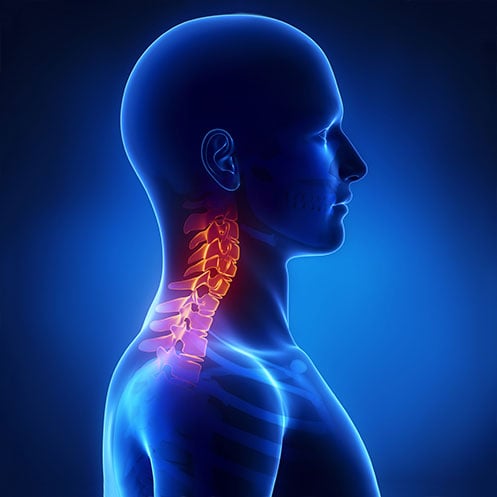
The phrenic nerve plays a crucial role in your ability to breathe. Originating in the neck from the C3–C5 cervical roots, it travels down each side of the body to control the diaphragm, which is the muscle that allows the lungs to expand during an inspiratory effort.
Damage to the phrenic nerve can result from trauma, surgery, tumors, inflammation, or even viral infections. Many patients also have phrenic nerve damage from non-specific “wear and tear”. When this nerve is compromised, the diaphragm may no longer function correctly, leading to what’s known as diaphragm paralysis or dysfunction.
“Because the diaphragm is responsible for generating the contraction that moves air into the lungs, even partial nerve damage can severely limit respiratory capacity,” explains Dr. Kaufman.
Common Symptoms of Phrenic Nerve Damage
Many patients suffer from phrenic nerve dysfunction for months or even years before receiving a correct diagnosis. Recognizing the following symptoms early can make all the difference.
- Chest tightness or discomfort not explained by cardiac issues
- Irregular breathing patterns, including rapid or shallow breaths
- One-sided diaphragm elevation is visible on imaging scans
- Persistent fatigue even with adequate rest
- Shortness of breath, especially when lying down
These symptoms may develop gradually and can easily be mistaken for other conditions, such as asthma, anxiety, or heart disease.
What It Feels Like Day to Day
Living with phrenic nerve damage often means adjusting to limitations that others may not see or understand. Patients commonly report:
- Difficulty exercising or walking up stairs, even with otherwise healthy lungs
- Discomfort that’s often misdiagnosed, leading to unnecessary treatments or anxiety
- Feeling winded after basic activity, such as bending over or carrying groceries
- Sleep disturbances, due to difficulty breathing while lying flat
“Many patients are told their lungs and heart look fine, but they still feel like they can’t catch their breath,” says Dr. Kaufman. “This is exactly when we need to consider the phrenic nerve.”
When to Seek Professional Help
If you're experiencing persistent shortness of breath, fatigue, or chest discomfort without a clear cause, it's important to consult a healthcare provider. These symptoms could indicate phrenic nerve dysfunction, which affects the diaphragm and breathing.
You should seek medical attention if you notice:
- Breathing difficulties, especially when lying down or during physical activity
- Chronic fatigue or excessive daytime sleepiness
- Difficulty sleeping or new sleep disturbances
- Elevated diaphragm observed in imaging studies
- Frequent respiratory infections, such as recurrent pneumonia
Treatment Options for Phrenic Nerve Damage
While some mild cases may benefit from non-surgical therapies such as physical therapy and breathing exercises, these approaches rarely restore full function with complete paralysis. Today, there are several groundbreaking procedures that aim to restore true function to the diaphragm and improve long-term outcomes:
Phrenic Nerve Reconstruction
Developed by Dr. Matthew Kaufman, M.D., F.A.C.S., this procedure is the gold standard for reversing diaphragm paralysis caused by phrenic nerve damage. By repairing or reconstructing the injured nerve, this procedure enables the diaphragm to contract and function normally once again.
Phrenic Nerve Breathing Pacemaker Surgery
In select cases, a breathing pacemaker may be implanted to stimulate the diaphragm muscle via electrodes placed around the nerve or directly into the muscle. This approach can be used independently or alongside nerve reconstruction to optimize recovery.
“Our approach is designed to restore function, not just manage symptoms,” Dr. Kaufman explains. “Surgical reconstruction of the phrenic nerve can allow patients to regain control of their diaphragm and their lives.”
Take the Next Step Toward Relief
If you or a loved one is experiencing persistent breathing difficulties without a clear diagnosis, specialized care is available. The Institute for Advanced Reconstruction’s Distinguished Center for Phrenic Nerve Injury offers state-of-the-art diagnostic services and innovative surgical treatments that have transformed the lives of countless patients.
Schedule a consultation with Dr. Kaufman and the expert team at The Institute for Advanced Reconstruction today. We are committed to helping you regain control over your breathing and improve your overall well-being.
 Patient Login