Latest Articles:
Upcoming Events:
The Institute for
Advanced Reconstruction
535 Sycamore Ave
Shrewsbury, NJ 07702
P. 732-741-0970
F. 732-747-2606

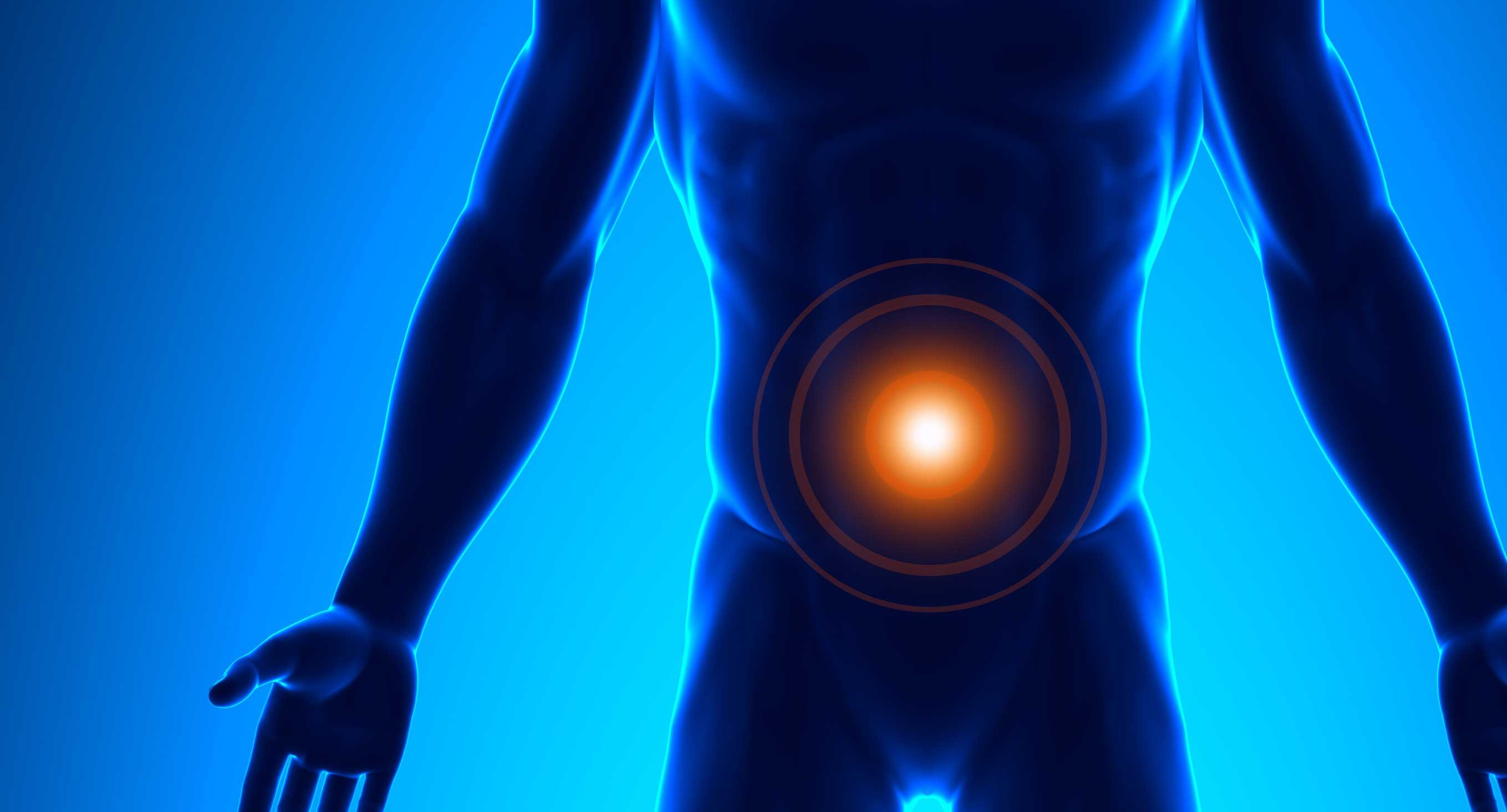
A hernia is a relatively common condition that can affect people of all ages, genders and races. Hernias are estimated to affect approximately five percent of the population at any given time in their lives. A hernia is a hole in the muscular wall of the abdomen through which intestines (or other organs) can protrude and be trapped under the skin. A hernia repair involves closing the hole in the abdominal wall. This can be more complicated than it sounds, if the intestines are stuck inside the cavity, or if the borders of the cavity are weak and cannot hold sutures well. Long-standing and large hernias can be particularly hard to repair. When the surrounding tissues are especially weak or stretched, they may need to be augmented or replaced. This often occurs in areas of previous surgical scars, the umbilicus, or in the groin area.
If the organs that lie inside a hernia become compressed or strangulated, the results can be deadly. Thus, it is important to take hernias very seriously.
Surgery is the only means of hernia repair. Most hernia surgery can be performed on an outpatient basis.
Laparoscopic surgery can be used for hernia repair. Instead of one long incision, four or five tiny incisions are made in the area around the hernia. A device called a laparoscope, which is a miniature scope attached to a video camera, is inserted into one of the incisions. The surgeon is able to see the hernia and the surrounding tissue and organs on a video screen.
Instruments used to repair the hernia are inserted through the other incisions and the operation proceeds in much the same way as open surgery. Advantages of this technique include shorter recovery time and less postoperative pain. A major disadvantage is that it must be performed under general anesthesia, which carries far more risks than local or epidural anesthesia. Laparoscopic hernia repair has only been used for a few years, and while research shows it to be safe and effective, long-term results are unavailable
BARs (Bony Anchored Reinforcement) is a procedure developed by the surgeons at our center. The BARs procedure represents a paradigm shift in the repair of difficult and recurrent hernias; even hernias that have failed many other attempts at repair. The BARs procedure is different in two basic ways. First, an immobile mesh is fixed to the pelvic bone, providing a stable foundation for the repair. Second, the BARs procedure is the first procedure that changes the geometry of the abdominal wall.
Normally, the weight of the abdominal contents are directed downwards into the pelvis, when there is a large hernia, the weight of the contents is often left lying against the repair, which stretches and loosens over time. The Bars procedure directs the weight back into the pelvis, thereby taking the weight off of the repair. It redirects the intrabdominal contents anatomically, down into the pelvis, producing a funnel effect. Pressure is taken off of the pannus. The BARs repair relies upon bony anchoring using Marlex mesh that will not stretch, but helps bolster the laparoscopic repair. The BARs procedure is often combined with a panniculectomy.
The BARS technique after TRAM flap reconstruction provides excellent reinforcement with improved contour and decreased morbidity for the lower abdominal wall. This procedure is used by only a select number of physicians in the country. The BARS technique, although not used widespread, is a great way to provide support for the lower abdominal wall that is weakened through breast reconstruction. This will prove to be very effective in restoring abdominal strength.
Any surgical procedure carries the risk for complications. Only a small percentage of patients who undergo hernia repair surgery have postoperative complications, which include:
The surgeon should be notified immediately if the patient cannot urinate after several hours; experiences severe pain that is unrelieved by medication and/or comfort measures; develops a fever of 101°F or higher; or has bleeding, discharge, or severe swelling at the incision site.
Located in Shrewsbury, Somerville, Freehold, Brick, East Brunswick, Edison, Egg Harbor Twp, Manhattan

Home | Reconstructive Surgery in NJ | About Reconstructive Surgery | Nerve Surgery
Breast Reconstruction | Spinal Cord Injury Treatment | Travel To Our Offices
Patient Forms/Resources | Meet the Doctors | Practice News | Contact Us
Powered by Points Medical
Entries (RSS) | Sitemap