Every step shouldn’t feel like a struggle, yet foot drop can turn a simple walk across the room into a frustrating task. If you’ve already tried physical therapy, bracing, or nerve-stimulating devices with little relief, you may be wondering what’s left. For many patients, foot drop surgery is the next and often most effective step.
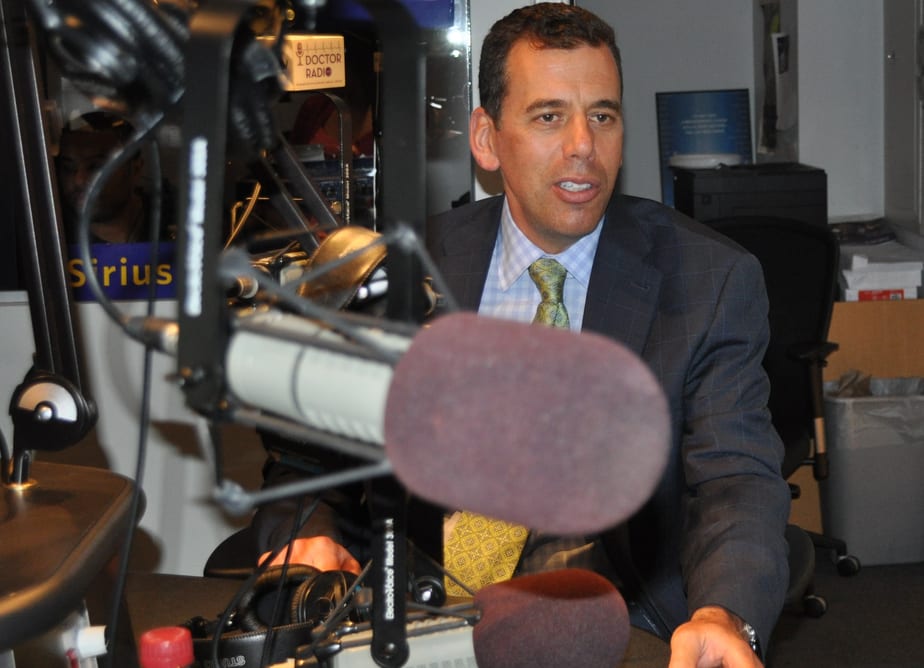
“Foot drop represents one of the most functionally limiting nerve injuries we see,” explains Dr. Peter Andrawes, a specialist in peripheral nerve reconstruction at The Institute for Advanced Reconstruction. “Understanding the underlying nerve damage is crucial for determining the most effective treatment approach.”
Knowing when surgery makes sense comes down to the cause of your foot drop, how long symptoms have lingered, and whether the nerve has a chance to recover on its own.
What Is Nerve-Related Foot Drop?
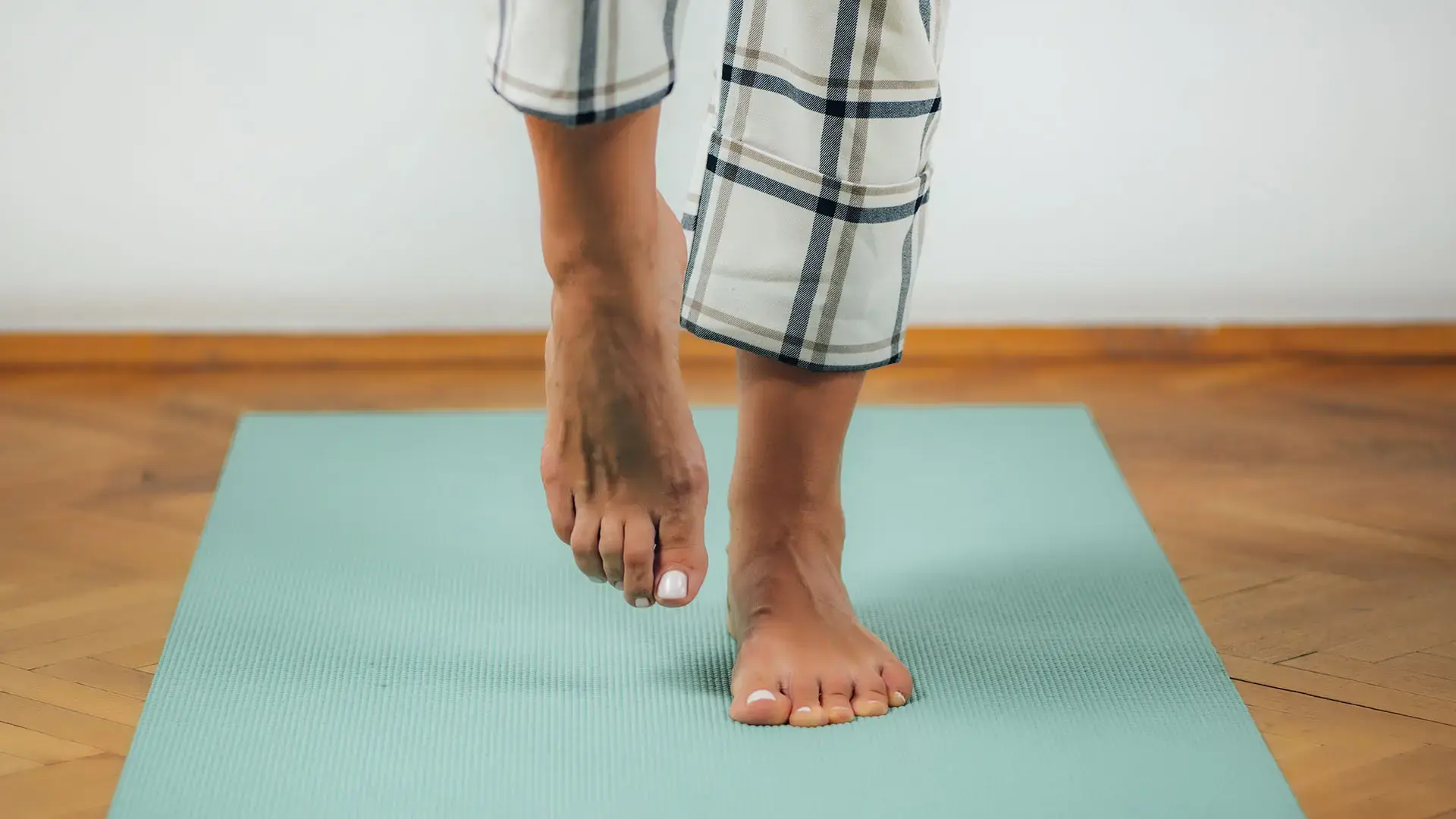
Foot drop occurs when the nerves that tell your ankle to lift the front of your foot stop firing at full strength. Without that lift, called dorsiflexion, your toes may catch the ground, or you might develop a high-stepping gait to compensate. Most cases trace back to trouble in the peroneal nerve, but several other causes can result in foot drop, including:
- Spinal compression: Herniated lumbar discs that pinch the nerve roots
- Trauma around the knee or calf: Fractures, dislocations, or deep cuts
- Surgical side effects: There is a slight risk after total knee replacement
- Sports injuries: Twists or tackles that bruise the peroneal nerve
- Systemic conditions: Including diabetes, inherited neuropathies, or certain muscle disorders
This condition affects men nearly three times more often than women, and unfortunately, nearly 50% of patients with peroneal nerve injuries develop permanent deficits without proper treatment. Early diagnosis and the right treatment plan can dramatically improve outcomes.
When Is Surgery Recommended for Foot Drop?
Most patients start with braces, physiotherapy, or medications. You may want to consider surgery instead when:
- A recent injury suddenly causes foot drop (early repair, within a few months, offers the best chance for a full recovery)
- Symptoms keep getting worse, even with diligent therapy
- Rehab has plateaued and you’re no longer gaining strength or balance
Your care team will run advanced nerve tests to see exactly where the signal is blocked, how strong the muscle response is, and whether surrounding tissue is healthy enough for repair. Some procedures still work months or even years after injury, but acting sooner preserves more nerve-healing potential.
Surgical Options for Nerve-Related Foot Drop
Modern peripheral nerve surgery offers several sophisticated approaches to address foot drop. The choice of procedure depends on factors such as the completeness of the nerve injury, the time since onset, and the overall health of the affected muscles and tendons.
Each surgical approach offers its own unique advantages in terms of recovery time, complexity, and expected results:
| Surgical Approach |
How It Works |
Best For |
Recovery |
| Nerve Decompression |
Removes scar tissue or widens tight passages so the nerve can glide freely |
Nerves that are pinched but not cut |
Short recovery; best early |
| Nerve Grafting or Transfers |
Bridges a gap with healthy tissue or reroutes a nearby working nerve to power the ankle muscles |
Severed or severely scarred nerves |
Longer recovery as nerve signal regrows |
| Tendon Transfer |
Redirects a functioning tendon to lift the foot when the nerve can’t |
Long-standing foot drop or poor nerve-healing potential |
Moderate recovery; physical therapy refines gait |
Can Surgery Restore Full Function?
A perfectly normal gait isn’t guaranteed, yet surgery results in most patients seeing life-changing gains, from moving beyond the brace to walking almost as they did before the injury. Results depend on:
- Timing: Earlier repair gives the nerve more time and distance to regenerate.
- Severity: A bruised or compressed nerve heals faster than one that’s completely cut.
- Overall health: Younger patients and those without diabetes or vascular issues tend to bounce back better.
- Muscle tone: Muscles that haven’t wasted away respond more robustly to a renewed nerve signal.
"Every patient's journey with foot drop is unique, but what consistently amazes me is the resilience people show throughout their recovery," notes Dr. Andrawes. "While we can't guarantee perfect outcomes, advances in nerve reconstruction give us powerful tools to restore function and hope."
Full recovery can take several months to a few years, with guided physical therapy crucial as the nerve wakes up and muscles relearn their job. Early consultation with a nerve specialist can mean the difference between permanent disability and restored function.
Ready to move beyond pain and frustration and explore your options for treating foot drop? Take the first step toward reclaiming your mobility and independence— reach out to the care team at The Institute for Advanced Reconstruction for a consultation today.
 Patient Login