For people with nerve pain, even simple daily tasks—like tying shoelaces, walking across a room, or getting a good night’s rest—can feel overwhelming and challenging. Unlike short-lived aches and pains, nerve pain can linger, worsen over time, and affect quality of life in many ways.
“Nerve pain isn’t just uncomfortable—it can be debilitating,” explains Dr. Michael Rose, reconstructive surgeon at The Institute for Advanced Reconstruction. “For some patients, conservative treatments are enough. But when the pain is severe or persistent, surgery can be the path to getting their life back.”
Understanding Nerve Pain
Nerve pain, also called neuropathic pain, occurs when nerves are damaged, compressed, or not functioning properly. Unlike musculoskeletal pain, which comes from bones or muscles, nerve pain can cause burning, tingling, shooting sensations, or electric-like shocks.
The causes are varied. Nerve compression syndromes, such as carpal tunnel or cubital tunnel, occur when surrounding tissues put pressure on a nerve. Injuries, surgery, infections, or underlying medical conditions like diabetes can also trigger chronic nerve pain.
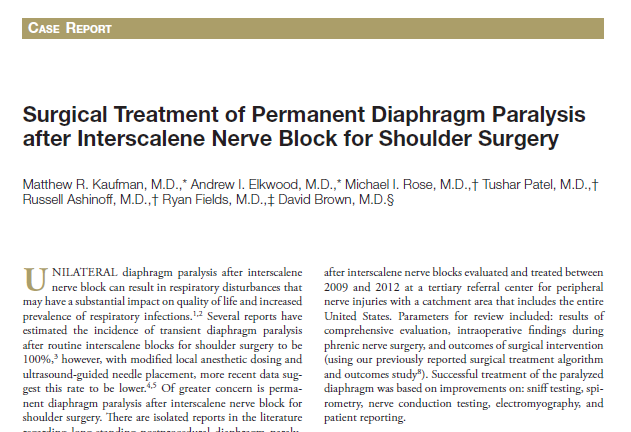
In other cases, nerve pain may stem from complex disorders like brachial plexus injuries, phrenic nerve paralysis affecting breathing, or peripheral neuropathy linked to metabolic or autoimmune conditions. Even headaches and migraines can have a neuropathic component when irritated nerves are involved.
Signs Your Nerve Pain May Need Surgical Intervention
Not every case of nerve pain requires surgery. Many patients benefit from physical therapy, medications, or injections. But there are clear warning signs that indicate surgery might be the best option, such as:
- Impact on daily life: When nerve pain disrupts sleep, work, or other essential activities, more advanced intervention may be necessary.
- Loss of function: Weakness, difficulty grasping objects, or trouble walking may suggest that nerves can no longer properly transmit signals.
- Persistent or severe pain: Pain that lasts for months despite treatment may point to ongoing nerve compression or damage.
- Progressive symptoms: Worsening numbness, radiating pain, or increasing weakness should never be ignored.
At this stage, patients often begin exploring nerve compression causes and treatment options more seriously. “Severity and duration are two of the biggest red flags,” notes Dr. Rose. “If nerve pain is interfering with function or getting worse, that’s when we start to discuss surgery as a solution.”
Our Expertise in Nerve Disorder Treatments
At The Institute, surgical expertise is at the heart of what we do. Our fellowship-trained reconstructive nerve experts are internationally recognized for treating complex nerve disorders that often go untreated elsewhere.
We specialize in nerve pain treatments ranging from phrenic nerve surgery for diaphragm paralysis to advanced reconstructions for brachial plexus injuries, pudendal neuralgia, and neuropathy. For patients with localized compression, we offer microsurgical nerve decompression surgery designed to relieve pressure while preserving healthy tissue.
Our team also provides highly specialized surgeries for conditions such as facial paralysis and foot drop, helping restore movement, strength, and independence to patients who may have been told they had no other options.
Life after Nerve Pain Surgery
Surgery is rarely the first option, but for many, it is the turning point. Recovery timelines depend on the type of surgery and the severity of nerve damage, but outcomes are often life-changing.
Patients frequently report improvements not only in pain levels but also in mobility, independence, and overall confidence. One patient, Madisen, described her smooth return to work after phrenic nerve surgery for her paralyzed diaphragm and how she finally “felt human again.”
Madisen’s journey, along with many others, proves that nerve pain is not something you have to live with indefinitely. Early evaluation and treatment can prevent long-term damage and open doors to interventions that truly restore quality of life.
Take Steps To Relieve Your Nerve Pain Today
“At The Institute, our role is not only to relieve pain but to preserve dignity,” Dr. Rose emphasizes. “We have the tools, techniques, and experience to give patients back parts of their lives they thought were gone.”
It may be time to consider nerve decompression surgery if you’ve been living with chronic nerve pain that hasn’t improved with conservative care. The Institute offers multiple convenient locations and a team of world-class specialists dedicated to finding the right path forward for every patient.
Don’t wait for your symptoms to worsen. If you’re ready to explore your options for treating and managing nerve pain, contact Dr. Rose and the care team at The Institute for a consultation today.
 Patient Login