 Patient Login

Summarize This Article:


Summarize This Article:

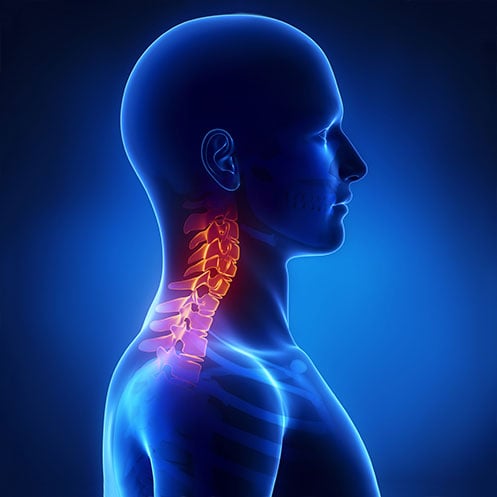
Occipital neuralgia can feel like an unrelenting storm in the back of your head—sharp, stabbing pain radiating from the base of the skull, sometimes shooting behind the eyes or down the neck. For many, the discomfort disrupts work, sleep, and even simple daily activities. At The Institute for Advanced Reconstruction, we specialize in diagnosing and treating complex nerve conditions like occipital neuralgia, offering a range of solutions from minimally invasive procedures to advanced surgical care.
Occipital neuralgia is a nerve disorder that occurs when the occipital nerves that run from the top of the spinal cord to the scalp become inflamed or irritated. This condition can cause:
While causes vary, the condition often stems from nerve compression, trauma, or inflammation.
“Early diagnosis is critical. Research shows that on average, an occipital neuralgia patient takes up to 10 years to find a peripheral nerve expert who specializes in occipital nerves,” says Ahmed Nasser, MD, a leading nerve surgeon at The Institute for Advanced Reconstruction. “When we identify occipital neuralgia early, we can tailor treatments to reduce pain, preserve nerve function, and improve quality of life before symptoms become chronic.”
One of the first-line treatments for occipital neuralgia is a targeted nerve block. This minimally invasive procedure involves injecting an anesthetic (sometimes combined with a steroid) directly around the occipital nerves to reduce inflammation and interrupt pain signals.
How it works:
According to Dr. Nasser, “Nerve blocks not only offer significant pain relief for many patients, but they are the gold standard for diagnosing occipital neuralgia. If a patient’s pain improves after a block, it confirms the diagnosis.”
At The Institute, our specialists in New Jersey perform nerve blocks under advanced image guidance for accuracy and safety, minimizing risk while maximizing results.
When conservative treatments fail to bring lasting relief, advanced reconstructive surgery may be the best option. Surgical interventions are designed to decompress or repair the occipital nerves, addressing the root cause of pain.
Potential surgical approaches include:
“We use detailed imaging and diagnostic testing to ensure surgery offers the greatest chance of meaningful, lasting relief,” emphasizes Dr Nasser. “By thoroughly evaluating each patient’s unique symptoms, history, and diagnostic results, we can match them with the treatment most likely to bring lasting relief.”
Benefits may include long-term pain reduction and improved scalp sensation so you can return to your everyday activities. However, surgery carries potential risks such as infection, scarring, or incomplete symptom relief.
Recovery from occipital neuralgia surgery is typically manageable but requires proper guidance. Most patients can return to light activities within one to two weeks, with full recovery taking several weeks to months, depending on the complexity of the procedure.
Post-surgery care often includes:
Dr. Nasser notes, “Patients are often surprised at how quickly they can resume daily life. We recognize patients have to return to their families and jobs. Our goal during recovery is to balance rest with gradual return to activity so patients heal fully without setbacks.”
If occipital neuralgia is impacting your ability to live comfortably, it’s time to explore your options. At The Institute for Advanced Reconstruction, we combine diagnostic precision with a compassionate, patient-first approach. From minimally invasive procedures to advanced surgery and comprehensive recovery care, our multidisciplinary team offers solutions tailored to your needs.
Request an appointment with Dr. Nasser and our expert team today to start your journey toward lasting relief.
There are no related posts
