 Patient Login


Changes to the scrotum caused by infection, trauma, lymphedema, or previous surgery can lead to discomfort, swelling, or functional concerns that affect daily life. At The Institute for Advanced Reconstruction, our reconstructive urology specialists perform scrotectomy and scrotoplasty procedures to remove diseased tissue, restore natural shape, and improve comfort and hygiene through safe, precise surgical techniques.
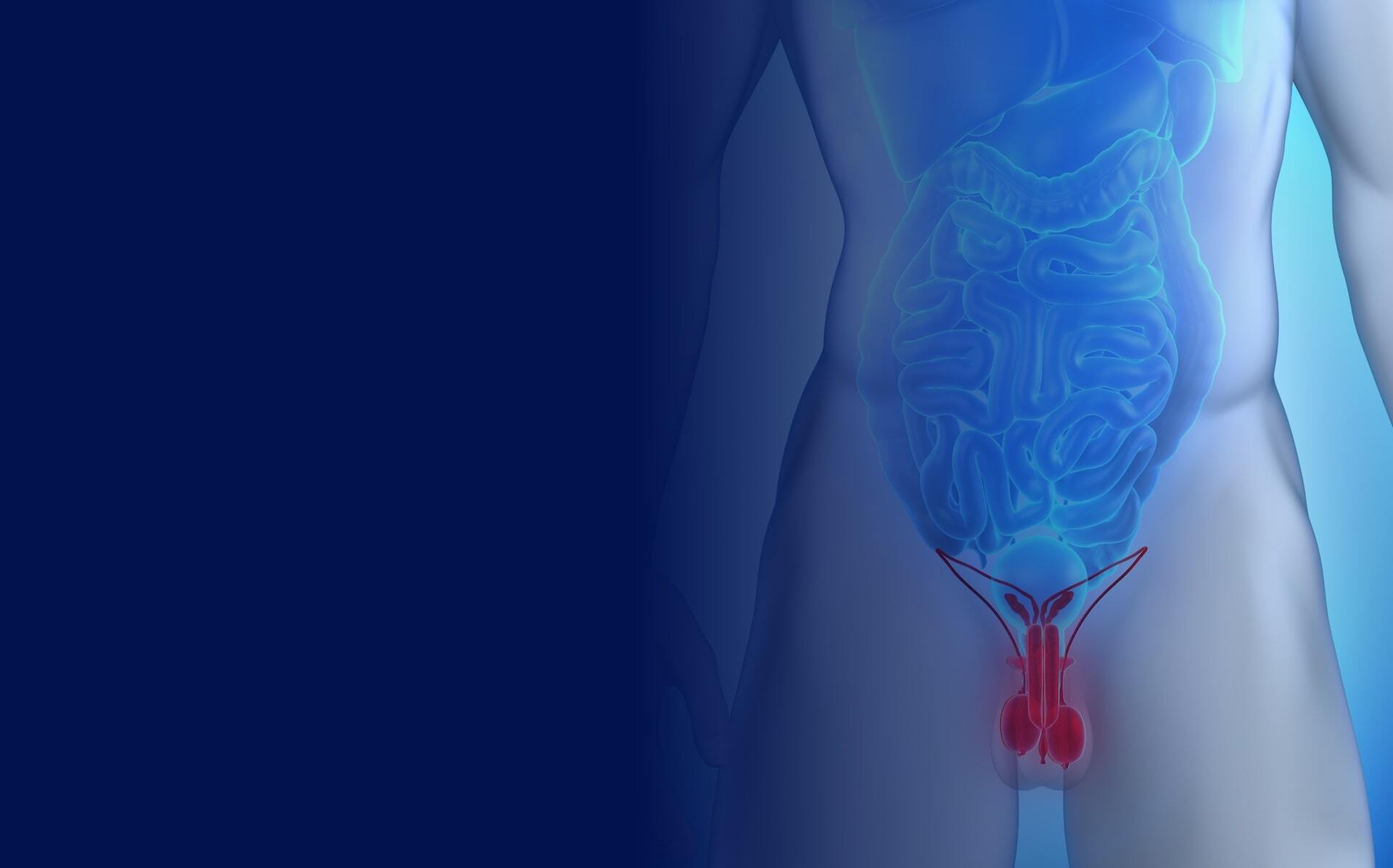
Scrotectomy and scrotoplasty are reconstructive procedures used to remove abnormal or damaged scrotal tissue and rebuild the scrotum’s natural contour. Scrotectomy involves removing excessive, infected, or chronically inflamed tissue—often due to conditions such as lymphedema or longstanding infection. Scrotoplasty focuses on reshaping and reconstructing the scrotum to restore balanced appearance, comfort, and functional mobility.
These procedures relieve discomfort, improve hygiene, and restore proper form to the genital region. Each surgery is tailored to the extent of tissue involvement, underlying health conditions, and the patient’s personal goals. Using microsurgical precision, our reconstructive urology team preserves vital structures and optimizes both aesthetic and functional outcomes.
Scrotectomy and Scrotoplasty
Understanding Scrotectomy and Scrotoplasty
Why Scrotectomy or Scrotoplasty May Be Right for You
You may benefit from scrotectomy or scrotoplasty if you:
- Experience chronic swelling, irritation, or pain of the scrotum
- Have excess tissue following lymphedema or prior infection
- Developed scarring or deformity after trauma or previous surgery
- Struggle with daily hygiene due to tissue enlargement or distortion
- Are seeking reconstructive restoration following oncologic or gender-affirming procedures
Our specialists frequently treat complex cases referred from other centers, offering reconstructive solutions for both functional and aesthetic concerns.
How Scrotectomy and Scrotoplasty Work
The procedure typically involves:
- Evaluation and Planning: Preoperative imaging and examination identify the extent of diseased or excess tissue and guide surgical planning.
- Tissue Removal: Diseased or thickened tissue is carefully removed while preserving underlying structures such as the testes and spermatic cords.
- Reconstruction: Healthy skin is reshaped and repositioned to form a balanced, natural contour. Skin grafts or flaps may be used for coverage when necessary.
- Microsurgical Technique: Fine sutures and magnification ensure precision, preserve nerve integrity, and promote optimal healing.
Most procedures are performed under general anesthesia. Some patients may require a brief hospital stay for observation and drain management, depending on the extent of reconstruction.
Our Expertise in Reconstructive Genital Surgery
The Institute’s reconstructive urologists are recognized leaders in complex genital reconstruction, offering advanced surgical options for patients with acquired, congenital, or post-surgical scrotal deformities.
Why Patients Choose The Institute
- Specialists in complex genital reconstruction and revision procedures
- Microsurgical precision for functional and aesthetic restoration
- Proven outcomes supported by years of reconstructive experience
- Compassionate, comprehensive care throughout recovery
What to Expect After Surgery
- Hospital Stay: 1–2 days if drains are required; same-day discharge for smaller procedures.
- Recovery: Most patients return to light activity within 1–2 weeks.
- Wound Care: Daily cleansing and dressing changes are advised until full healing.
- Follow-Up: Regular visits ensure proper healing, comfort, and contour restoration.
Our care team provides detailed instructions for post-operative care, including wound management, compression support, and follow-up scheduling.
Our Doctors
Our reconstructive urology specialists are experienced in restoring both function and form for patients with complex scrotal conditions. Every procedure is approached with precision, empathy, and long-term outcomes in mind.
Frequently Asked Questions About Scrotectomy or Scrotoplasty
Is this procedure only for severe cases?
No. Scrotectomy and scrotoplasty can be performed for a range of concerns, from minor contour correction to extensive tissue reconstruction.
Will the surgery affect fertility or testosterone production?
No. The testes and spermatic cords are preserved during surgery, so hormone and reproductive function remain intact.
What is the recovery like?
Most patients experience mild soreness and swelling that improve over 1–2 weeks. Support garments help with comfort and healing.
Will insurance cover scrotoplasty or scrotectomy?
In most cases, yes. Urethral reconstruction is generally considered medically necessary. Visit our insurance information page for more information, or contact our financial coordinators to confirm your coverage.
Do I need a referral to see a specialist at The Institute?
No referral is required. Patients may request an appointment directly. If another doctor referred you, we will collaborate with your care team to ensure seamless communication.
How do I know if The Institute is the right place for me?
Patients travel to us from across the country and around the world because of our rare expertise in pelvic and urologic nerve surgery. If you’ve been struggling without answers, our team can provide a clear diagnosis and treatment plan.
