 Patient Login



Complex urethral reconstruction is an advanced surgical procedure that repairs severe or recurrent urethral blockages to restore healthy urine flow, comfort, and long term function. When simpler treatments such as dilation or incision no longer work, reconstruction provides a durable solution that addresses the underlying structural problem rather than offering temporary relief.
During the procedure, the scarred or narrowed portion of the urethra is removed or rebuilt using healthy tissue. In many cases, a thin graft taken from the inside of the cheek, called buccal mucosa, is used to widen or replace the damaged segment. This graft tissue heals quickly, resists infection, and supports long term success.
Each reconstruction is carefully tailored to the patient’s anatomy, the length and location of the stricture, and the root cause of the blockage. By combining microsurgical precision with advanced grafting techniques, complex urethral reconstruction provides lasting improvement and helps patients regain both comfort and quality of life.
.jpeg?width=1920&height=1205&name=IFAR%20-%20Complex%20urethroplasty%20-%20Banner%20(1).jpeg)
Complex Urethral Reconstruction
Understanding Complex Urethral Reconstruction
Why Complex Urethral Reconstruction May Be Right for You
You may be a candidate for complex urethral reconstruction if you:
- Have a recurrent or long urethral stricture that has not improved with dilation or incision
- Experience slow urine flow, pain, or recurring infections
- Developed scarring from trauma, prior surgery, or radiation
- Have undergone previous unsuccessful urethral repairs
- Struggle with chronic urinary retention or difficulty voiding
Many patients come to our team after multiple failed procedures. Our goal is to provide a lasting solution that restores both comfort and confidence.
How Complex Urethral Reconstruction Works
The best treatment depends on the stricture’s severity, history, and response to previous procedures. In many cases, we can begin with or offer endoscopic management, including dilation or incision of the scar tissue, with the option to use the Optilume® drug-coated balloon to help reduce scar regrowth. This approach can minimize or eliminate the need for ongoing self-catheterization that many patients are told they must perform indefinitely.
When the stricture is longer, more severe, or recurrent, surgical reconstruction may be recommended. These approaches include:
- Excision and Primary Anastomosis: Removing the narrowed urethral segment and reconnecting the healthy ends.
- Buccal Graft Reconstruction: Using a small graft from inside the cheek to widen or rebuild the strictured area.
- Flap or Graft Repair: Reinforcing the urethra with surrounding tissue for long-term durability.
- Nerve-Sparing Technique: Careful surgical handling to preserve urinary control and erectile function
The procedure is performed under general anesthesia, with hospital recovery ranging from same-day discharge to several days, depending on the complexity. Most patients will temporarily use a catheter during healing.
Our Expertise in Complex Urethral Reconstruction
The Institute’s reconstructive urologists are national leaders in complex urethral repair. Our team performs a high volume of urethral reconstructions each year and is recognized for advanced grafting and microsurgical expertise.
Why Patients Choose The Institute
- Specialists in complex and recurrent urethral repair
- Experts in buccal graft and microsurgical techniques
- Proven long-term success following prior failed repairs
- Compassionate, patient-centered care through every stage of recovery
What to Expect After Surgery
- Hospital Stay: One to two days for observation and catheter management
- Catheter Duration: Three to four weeks to protect the repair
- Cheek Recovery: Mild soreness usually resolves within a few days if a graft is used
- Return to Activity: Light activity may resume after two to three weeks; full recovery takes several months
- Follow-Up: Imaging and evaluations confirm proper healing and function
Our care team provides detailed instructions for oral care, wound management, and catheter maintenance throughout recovery.
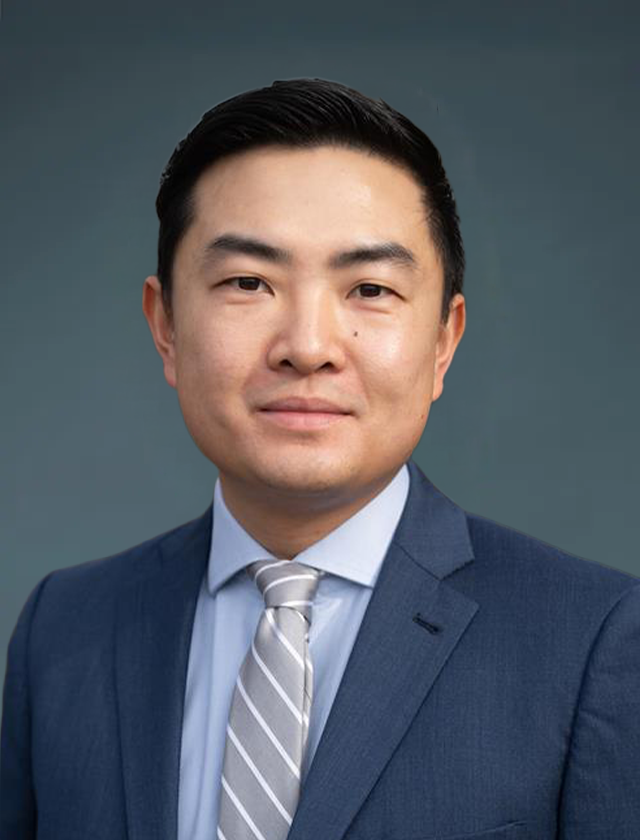
Meet the Team
Our reconstructive urology specialists are experienced in restoring both function and form for patients with complex scrotal conditions. Every procedure is approached with precision, empathy, and long-term outcomes in mind.
Frequently Asked Questions About Complex Urethral Reconstruction
Will the cheek graft affect eating or speech?
No. The graft is taken from an area inside the mouth that heals quickly. Most patients experience only mild soreness for a few days.
Is this a permanent solution?
Yes. Complex urethral reconstruction has one of the highest long-term success rates among reconstructive procedures.
Will this affect sexual or urinary function?
Our surgeons use nerve-preserving techniques to protect both erectile and urinary function.
How long is the catheter in place?
Typically three to four weeks, depending on your healing progress.
Is this covered by insurance?
Yes. Complex urethral reconstruction is medically necessary and typically covered by most insurance providers.
