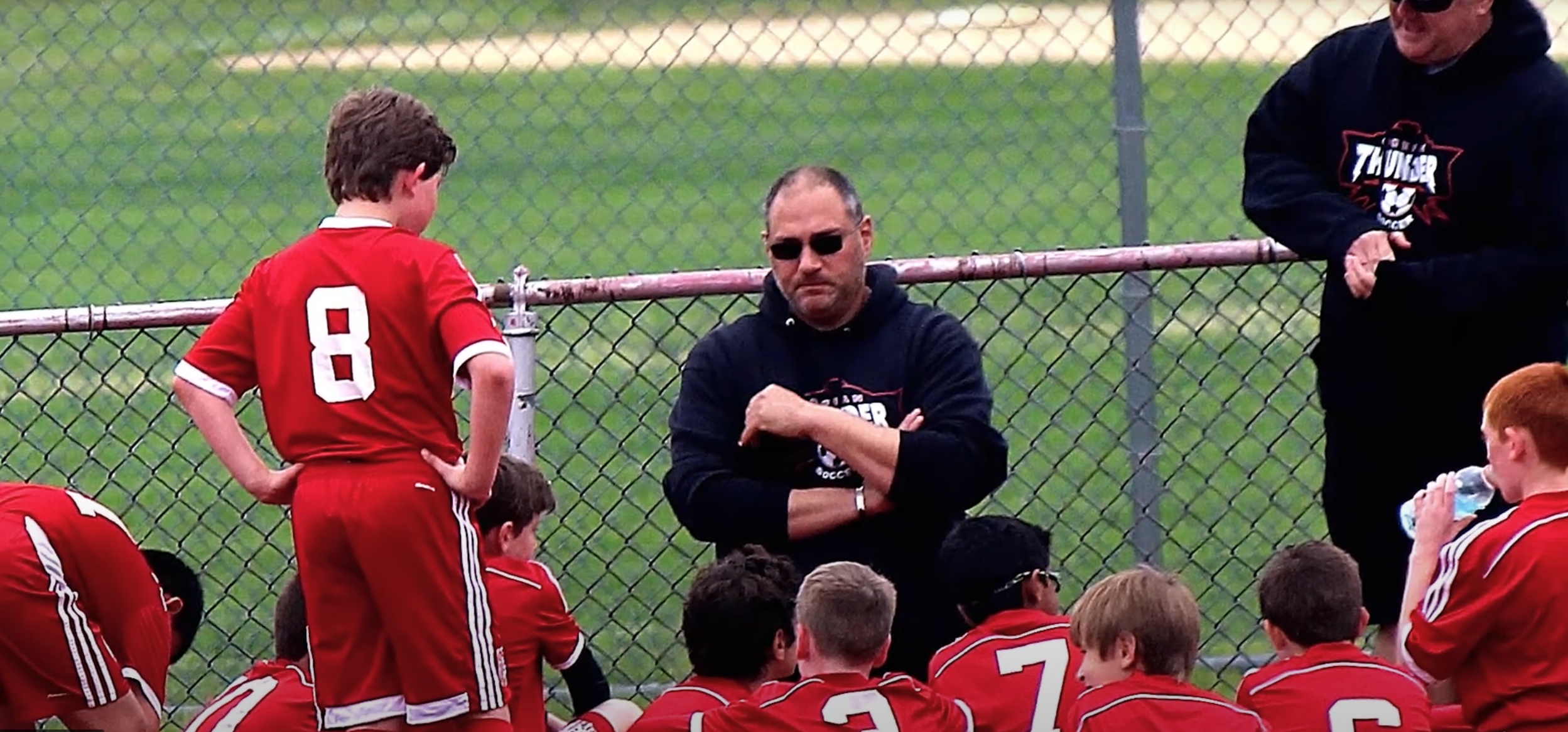
You come off the field with a sharp pull in your groin. It fades with rest, then flares back up the next time you sprint or twist. Was it a "sports hernia"? A real hernia? Something else entirely?
Here's the twist: a sports hernia isn't actually a hernia. “It's a soft-tissue injury that isn't a hernia at all— and getting the correct diagnosis is trickier than most people expect,” offers Dr. Adam Saad, a plastic and reconstructive surgeon with The Institute for Advanced Reconstruction.
Here's how the two conditions develop, how their symptoms differ, and how doctors sort out which one is actually causing the pain.
What Is a Sports Hernia? (Athletic Pubalgia)
A sports hernia, also known as athletic pubalgia or core muscle injury, is a strain or tear of the soft tissues in the groin or lower abdomen. Unlike a true hernia, there's no hole or weak spot in the abdominal wall, just an injured muscle, tendon, or ligament.
Sports hernias are most common in active people whose hobbies involve sudden twisting or pivoting, such as soccer, running, golf, and weightlifting. Because there's no structural defect, a sports hernia won't produce a visible bulge. Instead, pain is the main clue, and it typically worsens with specific movements like sprinting or cutting.
What Does a Sports Hernia Feel Like?
Most patients describe a sharp or aching pain deep in the groin or lower abdomen. It intensifies during sudden movements — sprinting, twisting, kicking — and eases with rest.
“Athletes often push through this pain for weeks, assuming it will heal on its own,” says Dr. Saad, “But a sports hernia that goes untreated tends to keep interrupting the same movements over and over, which is usually what finally brings someone in.”
What Is an Inguinal Hernia?
An inguinal hernia is a true hernia — it occurs when tissue or part of the intestine pushes through a weak spot in the abdominal wall muscle. That structural gap is the key difference from a sports hernia. Additionally, inguinal hernias often are painless.
Because there's an actual opening, an inguinal hernia often produces a visible or palpable bulge in the groin, one that may worsen with straining, coughing, or standing for long periods. And unlike a sports hernia, it isn't limited to athletes — risk increases with age, heavy lifting, or chronic coughing.
What Does an Inguinal Hernia Feel Like?
An inguinal hernia usually presents as a noticeable bulge in the groin, accompanied by a dull ache or pressure. That discomfort tends to worsen when standing, lifting, or straining, and often eases when lying down.
Sports Hernia vs. Inguinal Hernia: Key Differences
|
Factor
|
Sports Hernia
|
Inguinal Hernia
|
|
Bulge
|
None
|
Visible or palpable
|
|
Cause
|
Soft-tissue strain or tear
|
Structural weakness in the abdominal wall
|
|
Who’s Affected
|
Mainly athletes with twisting/pivoting motions
|
Anyone - risk rises with age, lifting, or chronic coughing
|
|
Diagnosis
|
May require imaging to confirm
|
Often requires imaging to confirm
|
Because symptoms overlap so closely, imaging such as MRI is often needed to confidently distinguish the two conditions.
Can You Have Both a Sports Hernia and an Inguinal Hernia at the Same Time?
Yes. It's entirely possible to have a sports hernia and an inguinal hernia simultaneously. “That overlap is exactly why self-diagnosis is so unreliable here,” Dr. Saad notes. “I always tell patients: a physical exam and imaging together give us the full picture — guesswork doesn't.”
Not Sure Which Type of Hernia You Have? Don’t Wait to Get an Accurate Diagnosis
Because a sports hernia and an inguinal hernia can feel so similar, self-diagnosis often leads patients toward the wrong treatment plan entirely — and getting the diagnosis right from the start makes all the difference in recovery.
Our fellowship-trained surgeons specialize in identifying and treating both sports hernias and complex or recurrent inguinal hernias. “Getting an accurate diagnosis isn't just paperwork — it changes the entire treatment plan,” says Dr. Saad. “That's why we take the time to look closely before recommending a path forward.”
If groin pain is keeping you off the field or interrupting daily life, don't leave it to guesswork. Request an appointment with The Institute for Advanced Reconstruction for an accurate diagnosis and a personalized treatment plan.
 Patient Login



-optimized.webp)