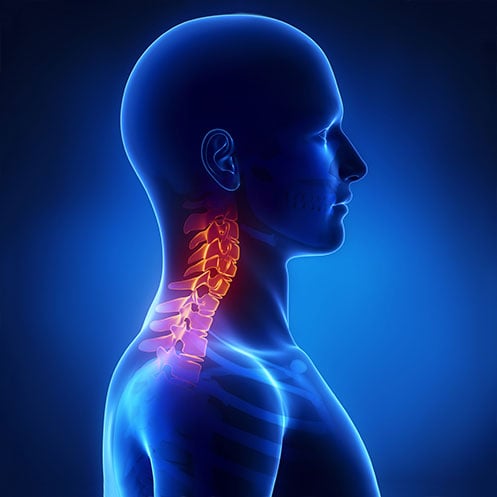
Occipital neuralgia causes more than just chronic head pain or chronic neck pain—it can disrupt your ability to work, sleep, or even function day to day. The sharp, stabbing pain that radiates from the base of the skull is often misdiagnosed, leaving many patients stuck in a cycle of ineffective treatments. Specialists who understand nerve-related pain can make a significant difference. Through precise diagnosis and advanced surgical and non-surgical treatments, they help patients break free from chronic pain and reclaim their quality of life.
“We see patients who have spent years trying to get answers,” says Ahmed Nasser, MD, a plastic and reconstructive surgeon at The Institute for Advanced Reconstruction. “In most instances, patients have seen anywhere between four to six specialists before finally reaching us. Many are desperate for answers and we are happy to be a final beacon of hope in their journey to recovery. Once occipital neuralgia is correctly diagnosed, we can offer targeted treatment options that bring real relief.”
What Is Occipital Neuralgia?
Occipital neuralgia is a type of chronic nerve pain that affects the occipital nerves—two pairs of nerves that travel from the top of the spine up through the scalp. When these nerves become inflamed, compressed, or injured, they can cause sudden, intense pain in the back of the head, upper neck, or behind the eyes.
Unlike migraines or tension headaches, the pain of occipital neuralgia is typically sharp, stabbing, or electric-shock-like. It often follows a distinct path along the nerve, which helps specialists distinguish it from other types of chronic head pain. This difference is critical for getting the right diagnosis and, ultimately, the most effective treatment.
Common Symptoms and Daily Challenges
Occipital neuralgia is often linked to trauma or irritation of the occipital nerves. Common causes include head or neck injuries, cervical spine issues, muscle tightness that compresses the nerves, or complications following surgery near the skull or neck. In some cases, no clear cause is identified.
The pain typically begins in the neck and radiates upward toward the scalp. Many patients describe it as sharp, stabbing, or electric in nature. Other symptoms may include:
- Light sensitivity
- Scalp numbness or tingling
- Tenderness near the base of the skull
Symptoms can come and go unpredictably—lasting anywhere from a few seconds to several hours—and are often triggered by movement, pressure, or even light touch. Beyond the physical discomfort, occipital neuralgia can significantly interfere with daily life. Sleep disturbances, difficulty focusing, and the inability to manage routine tasks often lead to frustration, fatigue, and emotional strain.
“Patients often come to us exhausted—not just from pain, but from how much it has taken over their lives,” Dr. Nasser explains. “Our goal is to interrupt that vicious cycle and help them return to normal activity.”
How Is Occipital Neuralgia Diagnosed?
Diagnosing occipital neuralgia starts with a detailed medical history and physical exam. Specialists look for telltale signs like pain along the occipital nerves, tenderness at the base of the skull, and symptoms triggered by neck movement or touch.
One of the most effective diagnostic tools is a targeted nerve block. This involves injecting a small amount of local anesthetic near the occipital nerves. If the pain is significantly reduced or eliminated right away, it’s a strong indication that those nerves are the source of the problem.
Imaging studies such as MRI or CT scans may also be used to rule out structural causes, like cervical spine injuries, nerve compression, or prior surgical changes.
Treatment Options: From Non-Surgical to Surgical Relief
Most people with occipital neuralgia start with physical therapy, medications, or injections to calm the pain. These treatments may help for a while—but when the pain keeps coming back, it’s a sign that the nerve itself may still be compressed. That’s when surgery becomes an option worth considering.
The Institute specializes in occipital nerve decompression surgery—a targeted procedure designed to relieve chronic nerve pressure at its source. This outpatient surgery involves carefully releasing the affected nerve by removing or repositioning the surrounding tissue causing the compression. The procedure typically takes two to three hours under general anesthesia, and most patients resume light activity within about two weeks.
For many, this surgical approach offers a dramatic improvement in pain and quality of life—especially when other options have failed to provide lasting relief.
The Role of a Nerve Specialist
For chronic or complex cases of occipital neuralgia, general pain management often isn’t enough. A nerve reconstruction specialist has the advanced training needed to pinpoint and treat the root cause. These specialists are skilled at detecting subtle nerve injuries or entrapments that may be overlooked by others. With the help of advanced diagnostics and precision microsurgical techniques, they can offer targeted solutions designed to relieve pain at its source—not just mask the symptoms.
Regaining Comfort and Confidence
Living with occipital neuralgia can feel isolating—but it doesn’t have to define your life. With the right diagnosis and a targeted treatment plan, lasting relief is possible. At The Institute, our specialists help patients move beyond chronic pain and toward a future with less discomfort and more control. Whether you’re newly diagnosed or have been searching for answers for years, expert evaluation is the first step toward meaningful change.
If you’re ready to explore your options for treating occipital neuralgia, contact Dr. Nasser and the team at The Institute to schedule a consultation today.
Request an Appointment
 Patient Login