Jaw surgery isn’t just about changing how you look—it’s about improving how you live. From breathing and chewing to speaking and smiling, orthognathic surgery can restore balance and function, making everyday life more comfortable.
But, like any major surgery, healing is a journey, and understanding the recovery timeline for jaw surgery is an essential part of preparing.
“Patients often come in with understandable concerns about recovery,” explains Reza Jarrahy, MD, FACS, FAAP, reconstructive surgeon at The Institute for Advanced Reconstruction. “One of my most important roles as a surgeon is setting expectations, so people know what the healing process looks like and feel reassured every step of the way.”
What to Expect Immediately After Jaw Surgery
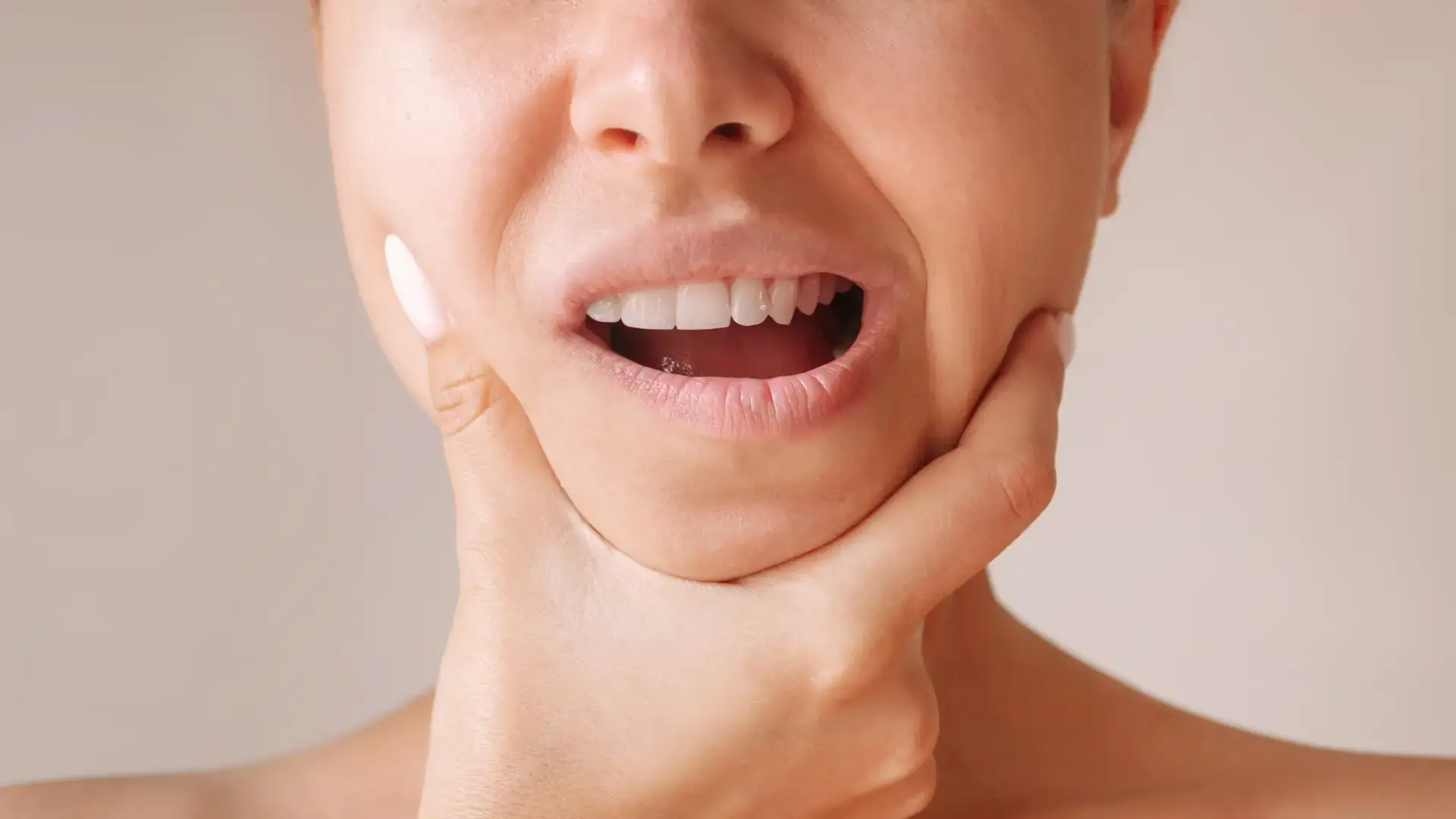
In the first few days after orthognathic surgery, patients can expect swelling, bruising, and mild discomfort around the jaw and cheeks, as well as limited jaw movement due to swelling. These symptoms typically peak within 48 to 72 hours and then gradually improve.
At this time, it might be difficult to breathe through the nose due to swelling, and patients are usually limited to a liquid diet, including juices, smoothies, and dietary supplement drinks.
Pain can be managed with prescribed medication and cold compresses or ice packs, and patients are encouraged to rest with their heads elevated to reduce swelling. Constant icing is particularly effective at limiting the amount of swelling a patient experiences. At The Institute, all orthognathic surgery patients receive personalized discharge instructions that outline dietary guidelines, wound care, and red flags to monitor at home.
“Those first days are when reassurance, clear instructions, and close communication with us matter most,” Dr. Jarrahy adds. “We make sure patients leave with a recovery plan that’s detailed but easy to follow.”
The First Month: Crucial Steps in the Recovery Timeline for Jaw Surgery
The initial four weeks are critical for establishing a strong healing foundation. Stitches may dissolve within the first two weeks, and patients should keep the surgical site clean by rinsing with mouthwash and gently brushing their teeth. Patients often have rubber bands (or elastics) applied to their braces to guide jaw position after surgery. While some discomfort may continue, most patients notice significant improvement in swelling by the end of the first month.
Regular follow-up visits during this time are necessary to ensure the healing process is progressing as expected. At check-ins, surgeons will look for signs of infection, make any adjustments to the guiding elastics as needed, and coordinate all aspects of patient care, including coordination with the patient’s orthodontist.
Long-Term Recovery: What to Expect in the Following Months
Whether you’ve had upper or lower jaw surgery, or surgery on both jaws, complete healing may take up to several months. Almost all patients are back to baseline within 3 months, with all swelling resolved and most reporting significantly improved speaking, chewing, and breathing.
Rehabilitation is a key part of recovery that shouldn’t be overlooked. Depending on your recovery plan, this may include physical therapy or targeted jaw exercises to strengthen muscles and restore mobility. Residual side effects, such as minor numbness or sensitivity, resolve with time in almost all cases.
Our patients return to their full, uninterrupted daily routines, including exercise and social activities, within a few months or less following surgery. Bone remodeling and stabilization continue unnoticed in the background for one year or more.
Common Concerns: The Institute’s Answers to Your Questions
One frequent concern among patients is downtime. While recovery varies, many individuals return to school or work within one or two weeks after surgery, and even resume light, low-impact activities (such as walking) the same day as surgery.
Other questions focus on the timeline for visible results. Initial changes in jaw alignment and facial appearance are immediately apparent, but swelling may obscure the final outcome until it resolves.
Ready for Your Journey? Schedule a Consultation with the Experts
Recovering from orthognathic surgery opens the door to a future where daily activities—eating, speaking, and even sleeping—become easier and more natural. With multiple convenient locations across New Jersey, New York, and Pennsylvania, The Institute’s mission is to make world-class expertise accessible to patients across the region.
“Our philosophy is transparency,” says Dr. Jarrahy. “We address every concern openly, from pain levels to long-term appearance, so patients know exactly what to expect and can feel confident about the process.”
Trust the reconstructive surgery specialists at The Institute to guide you through your jaw surgery with compassion, precision, and unparalleled expertise. If you’re ready to explore your options for orthognathic surgery, contact Dr. Jarrahy and the care team at The Institute for a consultation today.
 Patient Login