Experiencing shortness of breath without a clear explanation can be unsettling, especially when it is as complex as phrenic nerve injury causing diaphragm paralysis. Whether caused by surgery, trauma, or a viral infection, a paralyzed diaphragm can affect your ability to breathe comfortably, sleep flat, or live without fatigue.
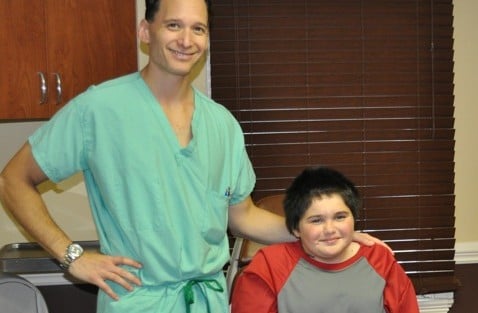
“Breathing is something we all take for granted—until it becomes difficult,” says Matthew Kaufman, MD, FACS, a renowned peripheral nerve microsurgeon specializing in phrenic nerve injury, at The Institute for Advanced Reconstruction. “When the diaphragm stops working properly, it creates both physical limitations and a great deal of anxiety for patients.”
Paralyzed Diaphragm Causes
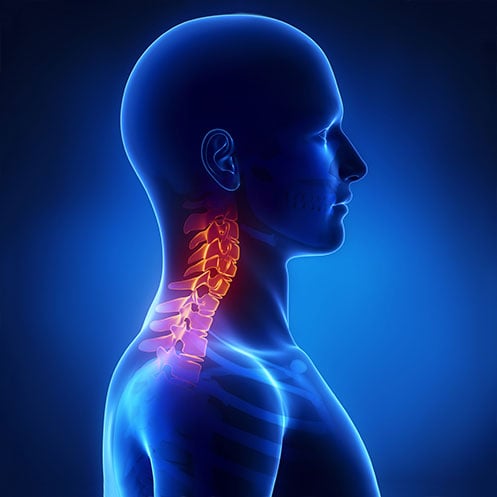
The diaphragm is a dome-shaped muscle that sits just below the lungs and plays a central role in respiration. Two phrenic nerves—one on the right and one on the left—control each side. If either nerve is injured or impaired, it can lead to diaphragm dysfunction or complete paralysis.
There are multiple causes of phrenic nerve injury leading to diaphragm paralysis, including:
- Neurological conditions such as cervical spinal cord injury or brainstem stroke
- Surgical trauma, especially during heart, lung, or cervical procedures
- Interventional procedures such as cardiac ablation or interscalene nerve block
- Viral infections or inflammation affecting the nerve
Paralysis may be unilateral, affecting just one side of the diaphragm, or bilateral, which impacts both sides and can severely impair breathing. While some cases go unnoticed, others lead to symptoms that can be impossible to ignore.
Can a Paralyzed Diaphragm Heal on Its Own?
There is a possibility that diaphragm paralysis may improve without intervention, but it depends heavily on the cause and extent of phrenic nerve damage.
“In some cases, we see spontaneous recovery within 10 to 15 months—particularly if the nerve was mildly injured,” explains Dr. Kaufman. “But waiting indefinitely for improvement isn’t realistic or effective for many patients.”
Factors that influence whether a paralyzed diaphragm can heal itself include:
- Overall health and age of the patient
- Presence of underlying neurological or autoimmune conditions
- The type and severity of phrenic nerve injury
- Time since injury or onset of symptoms
Monitoring the condition through imaging tests like X-rays, fluoroscopy, electrodiagnostic testing (NCS/EMG), and pulmonary function testing (PFT) is essential to assess any improvement.
Signs Phrenic Nerve Damage is Healing On Its Own
If spontaneous nerve recovery is possible, some patients may notice gradual changes in breathing. The following signs may indicate potential healing:
- Ability to lie flat without feeling winded or lightheaded
- Better performance on pulmonary function tests or imaging follow-up
- Easier breathing or less frequent shortness of breath
- Restoration of symmetrical chest movement during breathing
Still, while nerve damage can heal on its own, recovery is rarely linear. Minor improvements may plateau, and some patients can experience a return of symptoms after some initial progress.
When to Consider Treatment
If your symptoms persist or worsen over time, it may be a sign that your diaphragm function won’t return without medical intervention.
Consider your treatment options if you:
- Get recurrent lung infections
- Have persistent breathing difficulty, limiting quality of life
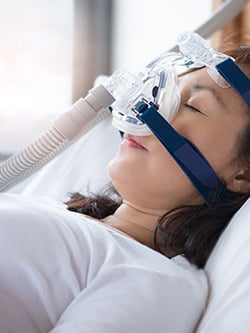
- Need CPAP, supplemental oxygen, or nighttime ventilation
- See no improvement after 6 to 12 months
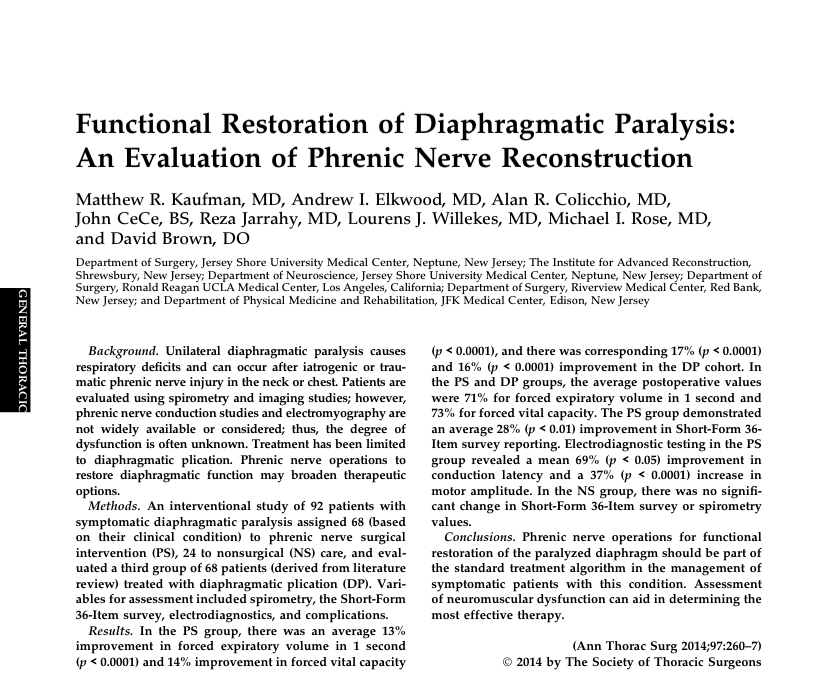
Phrenic nerve reconstruction is a specialized procedure that may restore function by repairing or reconstructing the damaged nerve. “Surgical repair offers a path forward when other options have failed,” shares Dr. Kaufman. “We’ve seen patients regain meaningful breathing capacity and independence after years of struggling.”
Why Early Evaluation Matters
Delaying a diagnosis—or assuming symptoms will resolve—can allow phrenic nerve damage to progress beyond the point of recovery.
A comprehensive evaluation typically includes:
- Imaging tests such as ultrasound, fluoroscopy, or MRI
- Nerve conduction studies and electromyography (EMG) to measure signal transmission along the phrenic nerve and diaphragm contractility
- Pulmonary function tests to assess breathing capacity
Early evaluation by a specialist ensures you receive the correct diagnosis and avoid misattributing symptoms to unrelated conditions like asthma or anxiety.
Request a Consultation with the World’s Leading Phrenic Nerve Experts
While some cases of phrenic nerve paralysis may resolve over time, many require expert diagnosis and surgical treatment. If you’ve been living with unexplained breathing issues or if your recovery has paused, now is the time to seek answers.
“Too often, patients are told to simply wait and see, even when their symptoms are worsening,” says Dr. Kaufman. “But there are innovative solutions available today. With the right diagnosis and care, many people can experience real, lasting improvement.”
Request an appointment with Dr. Kaufman and the team at The Institute for Advanced Reconstruction, home to the world’s leading phrenic nerve surgery program. Our goal is to restore function, improve breathing, and help you reclaim the life you deserve.
 Patient Login




.jpg)
.jpg)