For individuals living with chronic pelvic pain, the impact can be physically, emotionally, and mentally debilitating. If sitting, cycling, or even walking causes sharp, burning pain, you may be suffering from pudendal neuralgia—a condition that’s often misdiagnosed and misunderstood. Our specialists at The Institute for Advanced Reconstruction offer innovative treatments for pudendal neuralgia, designed to relieve pain and restore quality of life.
Understanding Pudendal Neuralgia: The Hidden Cause of Pelvic Pain
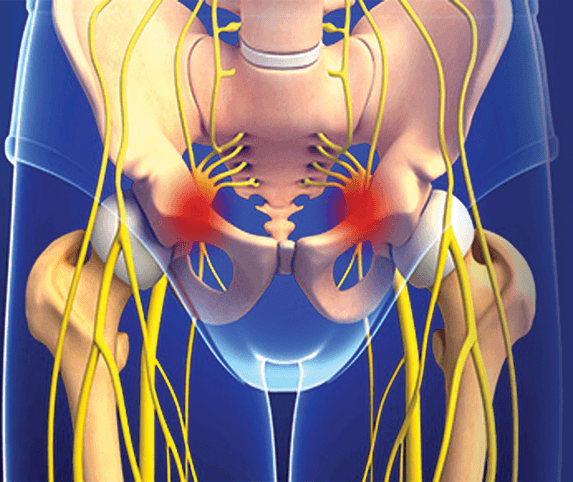
Pudendal neuralgia is a type of chronic pain that arises from irritation or compression of the pudendal nerve. This critical nerve runs through the pelvis and provides sensation to the genitals, anus, and perineum.
Symptoms may include:
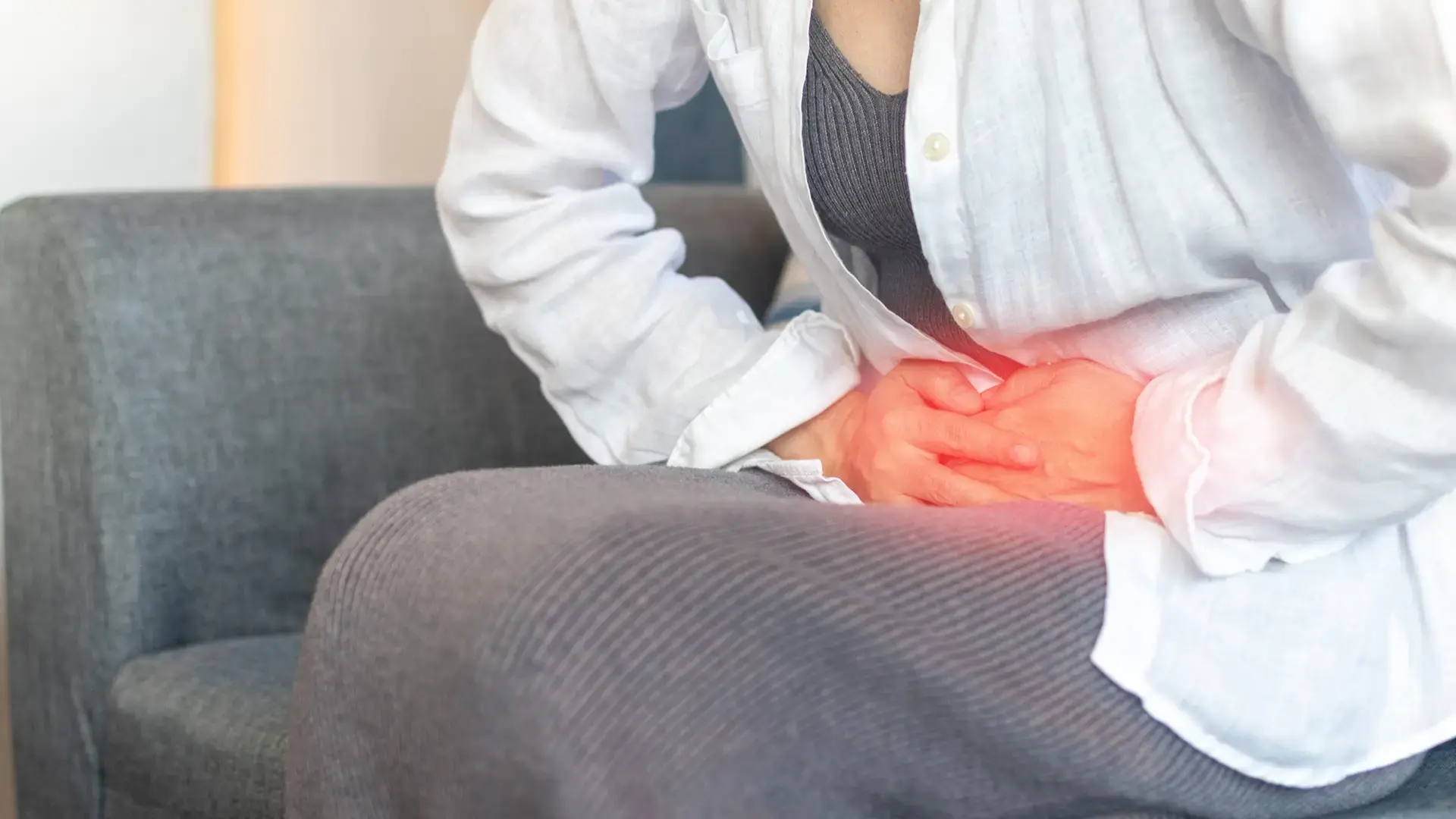
- Aching, burning, or stabbing pain in the pelvic area
- Discomfort that worsens when sitting and improves when standing or lying down
- Numbness, tingling, or hypersensitivity in the rectal or genital region
These symptoms can severely disrupt daily life, intimacy, and emotional well-being. Unfortunately, because symptoms often overlap with other pelvic disorders, pudendal neuralgia is frequently misdiagnosed.
“It’s not uncommon for patients to be treated for years for unrelated pelvic issues before the nerve problem is uncovered,” explains Hakan Usal, MD, a board-certified plastic and reconstructive surgeon at The Institute. “Our team is highly trained in identifying and treating complex nerve conditions like this.”
Common Causes and Risk Factors for Pudendal Neuralgia
Pudendal neuralgia may result from a range of factors, including:
- Direct Nerve Compression: Often caused by prolonged sitting, cycling, or pelvic surgery
- Trauma or Injury: Childbirth, falls, or pelvic fractures
- Lifestyle Factors: Sedentary habits or activities that increase pressure on the pelvis
- Associated Conditions: Endometriosis, pelvic floor dysfunction, or scar tissue from surgery
Early, specialized treatment can prevent worsening symptoms and offer a path to lasting relief.
Comprehensive Diagnostic Approach at Advanced Reconstruction
At The Institute, we begin with a comprehensive diagnostic evaluation tailored to each patient’s history and symptoms:
- In-depth medical history review and consultation
- Targeted physical exam to evaluate nerve function and pain patterns
- Advanced diagnostic imaging and nerve testing
- Multidisciplinary collaboration between nerve surgeons, gynecologists, and pain management experts.
“Accurate diagnosis is the cornerstone of successful treatment,” Dr. Usal emphasizes. “We take the time to investigate every potential cause of pelvic nerve pain.”
Conservative Treatment Options: First-Line Approaches
Many patients benefit from non-surgical treatments before surgery is considered:
- Physical therapy focused on pelvic floor muscle relaxation
- Medication management, including anti-inflammatory and neuropathic agents
- Lifestyle modifications, such as posture training and activity adjustments
However, if conservative options fail to provide sufficient relief, The Institute offers advanced interventions to address the root cause.
Advanced Interventional Treatments for Pudendal Neuralgia
We are at the forefront of interventional pain therapies, offering minimally invasive options that provide meaningful relief:
- Pudendal nerve blocks to reduce inflammation and pinpoint the nerve’s involvement
- Radiofrequency ablation to disrupt pain signals temporarily
- Neuromodulation therapies like spinal cord or peripheral nerve stimulation
“These interventions can provide both diagnostic clarity and therapeutic relief,” Dr. Usal explains. “They’re especially helpful for patients who are not yet ready for surgery.”
Surgical Solutions: Pudendal Nerve Decompression Surgery
When other therapies fail, pudendal nerve decompression surgery may be the best option for long-term relief.
When Surgery is Recommended:
- Persistent pain is unresponsive to conservative and interventional treatments
- Pudendal nerve entrapment is confirmed on diagnostic testing
What Surgery Involves:
- Releasing the pudendal nerve from surrounding tissue or scarring
- Restoring normal nerve function by relieving pressure
Why Choose Advanced Reconstruction for Pudendal Neuralgia Treatment
When it comes to treating pudendal neuralgia, few centers offer the depth of expertise found at The Institute.
Why patients trust us:
Ready to Take the Next Step?
If you’re living with persistent pelvic pain and believe pudendal neuralgia may be the cause, expert help is available.
Contact Dr. Hakan Usal and the team at The Institute for Advanced Reconstruction to schedule a consultation today. Our specialists are here to help you move forward—pain-free and empowered.
 Patient Login