When your nerves are healthy, they act like the body’s electrical wiring, sending signals that power movement, sensation, and function. But when a nerve becomes compressed, that signal gets disrupted. The result? Pain, numbness, or weakness that can interfere with daily routines.
“Nerve compression doesn’t just affect comfort. It also impacts quality of life, says Dr. Robert T. Nevitt III, a plastic and reconstructive surgeon at The Institute for Advanced Reconstruction. “That’s why understanding nerve compression causes and treatments is so important. The sooner we identify the problem, the better outcomes for our patients.”
Understanding Nerve Compression: Causes and Symptoms
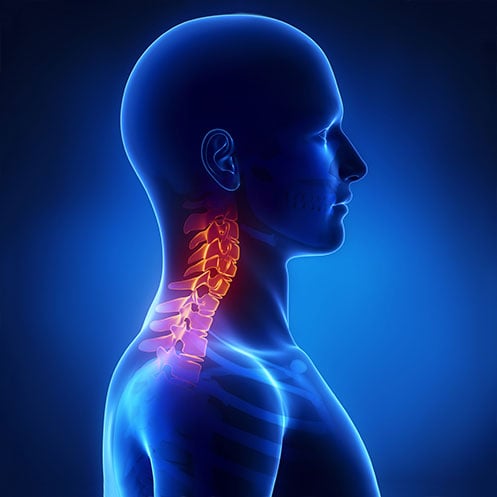
Nerves run throughout your muscles, bones, and connective tissue to carry electrical signals back and forth between your brain and other body parts. When these pathways become too tight, the nerve gets compressed. This compression can happen for several reasons, including repetitive motion, trauma, spinal changes like herniated discs, or inflammation from conditions such as arthritis.
Compressed nerve symptoms often develop gradually, beginning with tingling or numbness in the affected area. However, over time, patients may notice sharp or burning aches and pains, weakness, or, in severe cases, muscle atrophy.
“The key is to recognize these symptoms early,” explains Dr. Nevitt. “If you notice numbness or weakness that doesn’t resolve, that’s your body signaling that the nerve may be under stress.”
Who is at Risk for Nerve Compression Disorders?
Nerve compression syndromes can affect people of all ages, but some groups are more vulnerable, including:
- Athletes: High-impact or repetitive training, such as weight-lifting or tennis, may lead to overuse injuries that compress nerves.
- Older adults: Age-related changes in the spine or joints can increase the likelihood of nerve compression.
- People with chronic health conditions: Diabetes, obesity, and thyroid disorders can make nerves more prone to injury.
- Workers in repetitive-motion jobs: Occupations such as construction, manufacturing, or office work often involve repeated hand or arm movements that strain nerves over time.
Nerve disorders are more common than many people realize. Studies suggest that as many as 5% of the U.S. population experience carpal tunnel syndrome, one of the most frequent forms of nerve compression, with many others facing more complex nerve disorders affecting the spine or diaphragm.
Treatment Options for Nerve Compression Disorders
Non-surgical approaches are often the first line of care for nerve compression disorders. Your doctor may recommend physical therapy, anti-inflammatory medications, splinting, or steroid injections. While these treatment methods can provide relief, they don’t always address the root cause of the nerve compression.
For patients whose symptoms don’t improve or whose compression is severe, surgery is often the best solution. At The Institute, our reconstructive nerve experts perform specialized decompression procedures tailored to each patient’s needs. This includes microsurgical decompression for complex entrapments, as well as highly specialized operations such as phrenic nerve surgery to restore breathing function from diaphragm paralysis.
Why Choose IFAR for Your Nerve Compression Surgery?
The Institute is recognized worldwide for expertise in nerve pain treatments—and it’s also easy to access. With more than 45 clinic locations, patients can complete evaluations and much of their follow-up care close to home, while surgical procedures are performed at The Center for Outpatient Surgery, our private, state-of-the-art facility.
Our team treats the full spectrum of nerve compression syndromes, including specialized procedures that many centers don’t offer, such as facial paralysis treatment to restore expression and symmetry, foot drop surgery to improve gait, and phrenic nerve surgery to help patients regain breathing function.
Every treatment plan is tailored by expert surgeons using microsurgical techniques, with coordinated rehabilitation to support your long-term recovery.
Schedule Your Consultation with Our Nerve Disorder Specialists Today
Nerve compression is more than uncomfortable; if ignored, it can cause lasting harm. Seeking care early offers the best chance to relieve pain, restore function, and protect long-term nerve health.
“One of the most rewarding parts of this work is seeing patients regain abilities they thought were gone for good,” shares Dr. Nevitt. “Whether it’s smiling again, swinging a golf club, or walking without assistance, these procedures can restore patients' lives.”
At The Institute, we specialize in turning “nothing more can be done” into “let’s find a way.” If you’re ready to explore your options for treating and managing a nerve compression disorder, contact Dr. Nevitt and the care team at The Institute for a consultation today.
 Patient Login



.png)