- Physicians
- Ajul Shah, MD, FACS
Ajul Shah, MD, FACS
Hand & Upper Extremity Surgeon
Double Board Certified in Plastic Surgery and Surgery of the Hand
About Dr. Shah
Dr. Ajul Shah is board certified in plastic and reconstructive surgery by the American Board of Plastic Surgery, holding a sub-specialty board certification in Hand and Upper Extremity Surgery. His compassionate nature provides patients with a sense of safety and comfort during challenging times in their lives.
He has advanced fellowship training in hand and upper extremity surgery and microsurgery, alongside extensive training at institutions such as Yale University and New York University. Dr. Shah performs all aspects of hand and upper extremity surgery, including fractures, traumatic injuries, tendon injuries, and complex hand reconstruction. He also has a special interest in targeted muscle reinnervation.
After obtaining a Bachelor of Arts from Northwestern University, Dr. Shah returned to his hometown of Dallas, Texas, where he received his Medical Degree from the University of Texas Southwestern School of Medicine. He then attended the prestigious 6-year integrated Plastic Surgery Residency Program at Yale University. Following his residency, he was selected to complete an advanced specialty fellowship in hand and upper extremity surgery at New York University School of Medicine.
Dr. Shah has published numerous articles and book chapters and remains on the forefront of research and surgical innovation. He has held several leadership positions and received numerous awards throughout his career. Prior to joining The Plastic Surgery Center, he was appointed as the Chief and Medical Director of Plastic and Reconstructive Surgery at Bayfront Health Saint Petersburg, which is a trauma center and tertiary care referral center. While serving as the Medical Director at Bayfront Health, he specialized in extremity reconstruction and limb salvage.

- Publications
Bionic Reconstruction for the Nonfunctional, Painful Hand | The Journal of Hand Surgery
- Awards & Accolades
- Education
- Languages Spoken
- Insurance Accepted
- 2025 NJ Monthly Top Doc
- Top Doctors 2024 - NJTopDocs
- Monmouth Magazine Top Doctors 2025

- Undergraduate:
Northwestern University, IL - Medical School:
University of Texas Southwestern School of Medicine, TX - Residency:
Yale University, CT - Fellowship:
New York University School of Medicine, NY
The Center for Hand and Upper Extremity Surgery accepts a wide range of insurance plans, including many commercial and managed care options. Because plan details vary, we encourage all patients to call our office to verify specific coverage before scheduling. Our insurance specialists are here to help you understand your benefits, and for any out-of-network cases, we’ll work to secure the highest level of coverage possible—even arranging custom agreements when needed.
Dr. Shah Performs the Following:
Arm Paralysis
Arm Paralysis
Upper extremity paralysis arises from nerve damage due to illness or injury. Our fellowship-trained nerve reconstruction team offers personalized approaches like nerve transfer, nerve grafting, tendon transfer, and nerve repair, aiming to restore motor function and quality of life.Arthritis of Hands, Wrists, Arms, and Shoulder
Arthritis of Hands, Wrists, Arms, and Shoulder
Degenerative arthritis across the upper extremity causes pain, stiffness, and reduced function. The team provides a spectrum of care—from non-surgical therapy and injections to advanced joint-preserving and reconstructive surgeries—to alleviate pain, improve motion, and support daily activities.Brachial Plexus Injuries
Brachial Plexus Injuries
Brachial plexus injuries affect the complex network of nerves controlling the shoulder, arm, and hand. These injuries can result from trauma, tumors, or birth-related events. Our surgeons specialize in advanced reconstructive techniques including nerve grafting, nerve transfers, and decompression. Through early intervention and microsurgical precision, we help restore motion, strength, and sensation to the upper extremity.Carpal Tunnel
Carpal Tunnel
Carpal tunnel syndrome occurs when the median nerve becomes compressed at the wrist, leading to numbness, tingling, and weakness in the hand. Our team offers personalized treatment, starting with non-surgical options such as wrist splinting, corticosteroid injections, and activity modification. When symptoms persist, we perform precise carpal tunnel release surgery to relieve pressure on the nerve, restore hand function, and prevent long-term damage.Chronic Pain in Hand
Chronic Pain in Hand
Persistent hand pain arises from nerves, tendons, or joints. Our specialists provide diagnostic insights and incorporate nerve decompression, tendon or joint reconstruction, and multidisciplinary care aimed at long-term relief.Cubital Tunnel
Cubital Tunnel
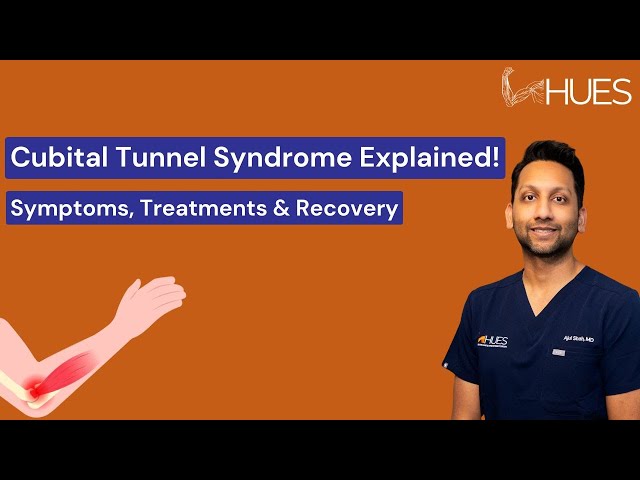
Cubital tunnel syndrome results from compression of the ulnar nerve at the elbow, often causing numbness in the ring and little fingers. We provide expert diagnostic evaluation and begin with non-invasive treatments like splinting or activity changes. For advanced cases, surgical decompression or ulnar nerve transposition may be recommended to alleviate symptoms, improve nerve function, and restore comfort in the hand and arm.De Quervain's Tenosynovitis
De Quervain's Tenosynovitis
De Quervain’s tenosynovitis involves inflammation of the tendons along the thumb side of the wrist, causing pain during gripping or twisting. We offer a stepwise treatment approach that includes rest, splinting, corticosteroid injections, and, if needed, surgical release of the tendon sheath to reduce pain and restore wrist mobility.DIP/PIP - Finger Arthritis
DIP/PIP - Finger Arthritis
Arthritis in the distal (DIP) or proximal (PIP) interphalangeal joints limits finger motion and dexterity. Our hand specialists offer targeted interventions—ranging from splinting and injections to joint fusion or resurfacing—to relieve pain and preserve function.Extensor Tendon Injuries
Extensor Tendon Injuries
Extensor tendons control the ability to straighten fingers and wrists. Lacerations or ruptures require surgical repair within 7–14 days to prevent permanent deformity. Our specialists perform minimally invasive repairs and guide patients through structured rehabilitation to restore finger extension and hand coordination.Flexor Tendon Injuries
Flexor Tendon Injuries
Flexor tendon injuries compromise the ability to bend fingers and grip objects. Our microsurgeons perform delicate repairs that preserve tendon gliding and hand strength. A carefully monitored rehabilitation program follows surgery to maximize motion and prevent adhesions, enabling patients to regain full hand function.Guyon's Canal
Guyon's Canal
Compression of the ulnar nerve at the wrist, known as Guyon’s canal syndrome, can lead to hand weakness and sensory changes. Our specialists identify the precise site of nerve entrapment and tailor treatment accordingly. When conservative care isn’t effective, surgical decompression of Guyon’s canal can restore strength and sensation, helping patients regain hand control and fine motor skills.Hand & Upper Extremity Fractures
Hand & Upper Extremity Fractures
Fractures of the hand, wrist, arm, and shoulder may require casting or surgical realignment—often with internal fixation, external fixation, or pinning—to ensure proper bone healing, preserve joint alignment, and restore function.Limb Loss
Limb Loss
For patients with amputations, our team offers microsurgical reconstruction, nerve repair, and tendon reconstruction, optimizing limb function, enhancing prosthetic integration, and improving patient independence.Nerve Compression Syndromes
Nerve Compression Syndromes
Pinched nerves in the upper extremity—whether at the carpals, cubital tunnel, Guyon’s, pronator teres, radial tunnel, suprascapular notch, or thoracic outlet—are treated with comprehensive reviews, followed by nerve decompression surgery, and advanced repair techniques when needed.Nerve Injuries
Nerve Injuries
Injuries to the nerves of the hand, wrist, or arm—whether from trauma, lacerations, or entrapment—can lead to numbness, pain, weakness, or even paralysis. Our specialists provide comprehensive care beginning with precise diagnostics, including nerve conduction studies and high-resolution imaging. For patients with confirmed nerve damage, we offer advanced microsurgical solutions such as nerve decompression, nerve grafting, or nerve transfer, depending on the location and severity of the injury. Our goal is to restore sensation, preserve muscle function, and help patients return to daily activities with improved mobility and comfort.Nerve Lacerations
Nerve Lacerations
Nerve lacerations are often caused by trauma or deep cuts that sever nerve fibers, leading to pain, numbness, or paralysis. We offer urgent evaluation and microsurgical repair, using nerve grafts or direct suturing techniques to re-establish continuity. Our goal is to restore nerve conduction and prevent long-term dysfunction through timely, expert care.Non-Healing Fractures
Non-Healing Fractures
When fractures fail to heal, our experts use bone grafting, revision fixation, and advanced surgical solutions to stimulate healing, restore structural integrity, and reduce pain.Parsonage Turner
Parsonage Turner
Parsonage-Turner syndrome is an inflammatory condition of the brachial plexus that causes sudden shoulder pain followed by muscle weakness and atrophy. Diagnosis can be challenging and is often delayed. We combine advanced imaging, EMG testing, and personalized care plans—ranging from supportive therapies to surgical interventions—to help patients regain strength and reduce long-term impact.Pronator Teres Syndrome
Pronator Teres Syndrome
Pronator teres syndrome occurs when the median nerve is compressed in the forearm by nearby muscle structures. This condition can mimic carpal tunnel symptoms but requires distinct evaluation and management. We offer targeted care including rest, therapy, and surgical release when necessary to relieve pressure and restore normal nerve function in the forearm and hand.Radial Tunnel
Radial Tunnel
Radial tunnel syndrome involves compression of the radial nerve near the elbow, causing aching pain in the forearm and hand weakness. Our team evaluates the source of nerve irritation and develops a personalized plan, ranging from physical therapy to minimally invasive nerve decompression. Surgical treatment can provide lasting relief and restore strength in cases where conservative measures fall short.Radiation-Induced Brachial Plexopathy
Radiation-Induced Brachial Plexopathy
Damage to the brachial plexus from radiation therapy can lead to progressive weakness, numbness, and severe pain. Our surgeons are among the few in the country performing advanced microsurgical procedures—including decompression, nerve grafting, and targeted muscle reinnervation—for patients with radiation-induced nerve damage. With early and expert care, many patients experience significant improvement in pain and upper limb function.Rheumatoid Arthritis in Hand
Rheumatoid Arthritis in Hand
This systemic arthritis inflames hand joints, causing pain and deformity. Our multidisciplinary team uses conservative treatments and reconstructive surgeries to control inflammation, correct deformities, and restore hand strength and alignment.Scaphoid Fractures and Nonunion
Scaphoid Fractures and Nonunion
Scaphoid wrist fractures often risk nonunion due to compromised blood flow. We specialize in scaphoid-specific internal fixation combined with bone grafting to promote union and restore wrist stability.Shoulder and Elbow Arthritis
Shoulder and Elbow Arthritis
Arthritic changes in the shoulder and elbow lead to pain and reduced mobility. Care options range from conservative therapies and injections to joint-preserving surgery and arthroplasty, designed to improve range of motion and daily function.Suprascapular Nerve Entrapment
Suprascapular Nerve Entrapment
Compression of the suprascapular nerve at the shoulder can result in dull pain, weakness, and limited mobility. Our team carefully evaluates nerve involvement and shoulder mechanics, offering both conservative therapies and surgical decompression to restore nerve function and help patients return to overhead activities without pain or weakness.Tendon Injuries & Lacerations
Tendon Injuries & Lacerations
Traumatic tendon injuries—whether from sharp lacerations, sports injuries, or workplace accidents—can lead to permanent loss of motion if not treated promptly. Our hand surgeons perform precise tendon repairs using microsurgical techniques that ensure proper healing and restore continuity. Timely intervention is critical to prevent scarring, deformity, and long-term dysfunction.Tennis Elbow
Tennis Elbow
Also known as lateral epicondylitis, tennis elbow results from overuse of the forearm’s extensor tendons. We provide non-surgical options including physical therapy, injections, and bracing. When symptoms persist, surgical debridement or denervation may be used to alleviate pain and restore arm function.Thoracic Outlet Syndrome
Thoracic Outlet Syndrome
Thoracic outlet syndrome affects the nerves or blood vessels between the neck and shoulder, causing arm pain, numbness, and weakness. We use a multidisciplinary approach that includes physical therapy, imaging, and diagnostic testing. When needed, surgical decompression of the brachial plexus or vascular structures can relieve pressure and restore circulation and nerve health.Thumb CMC (BASAL) Arthritis
Thumb CMC (BASAL) Arthritis
Arthritis at the thumb base disrupts pinch and grip tasks. We offer a full suite of treatments—splints, injections, and ligament reconstruction with joint resection—to reduce pain, stabilize the joint, and maintain thumb function.Trigger Finger
Trigger Finger
Trigger finger occurs when inflammation narrows the sheath surrounding a finger tendon, causing painful locking or catching. Our specialists offer conservative management with splints and injections, and when needed, a minimally invasive procedure to release the tendon sheath—restoring smooth finger movement and relieving discomfort.Wrist Arthritis
Wrist Arthritis
Wrist arthritis can severely limit motion and everyday function. Our approach includes therapy, injections, and surgical options such as partial or total wrist fusion or replacement, to alleviate pain and restore wrist utility.Wrist Drop
Wrist Drop
Wrist drop occurs when the radial nerve is injured, leading to an inability to extend the wrist or fingers. Common causes include trauma or prolonged compression. Our team provides detailed diagnostics and a treatment pathway that may include bracing, therapy, nerve decompression, or surgical repair—helping patients regain control, strength, and independence.Office Locations
Red Bank
Building 2 - First Floor, Suite 200
Red Bank, NJ 07701
Bridgewater
Suite 19
Bridgewater, NJ 08807
The Greymark Building
Neptune
7th Floor
Neptune, NJ 07753
HMH Jersey Shore University Medical Center