
%201.svg "Breast Center of NJ")
DIEP flap reconstruction is the gold standard in autologous breast reconstruction, delivering a permanent, natural breast built from your own body by our reconstructive microsurgeons.
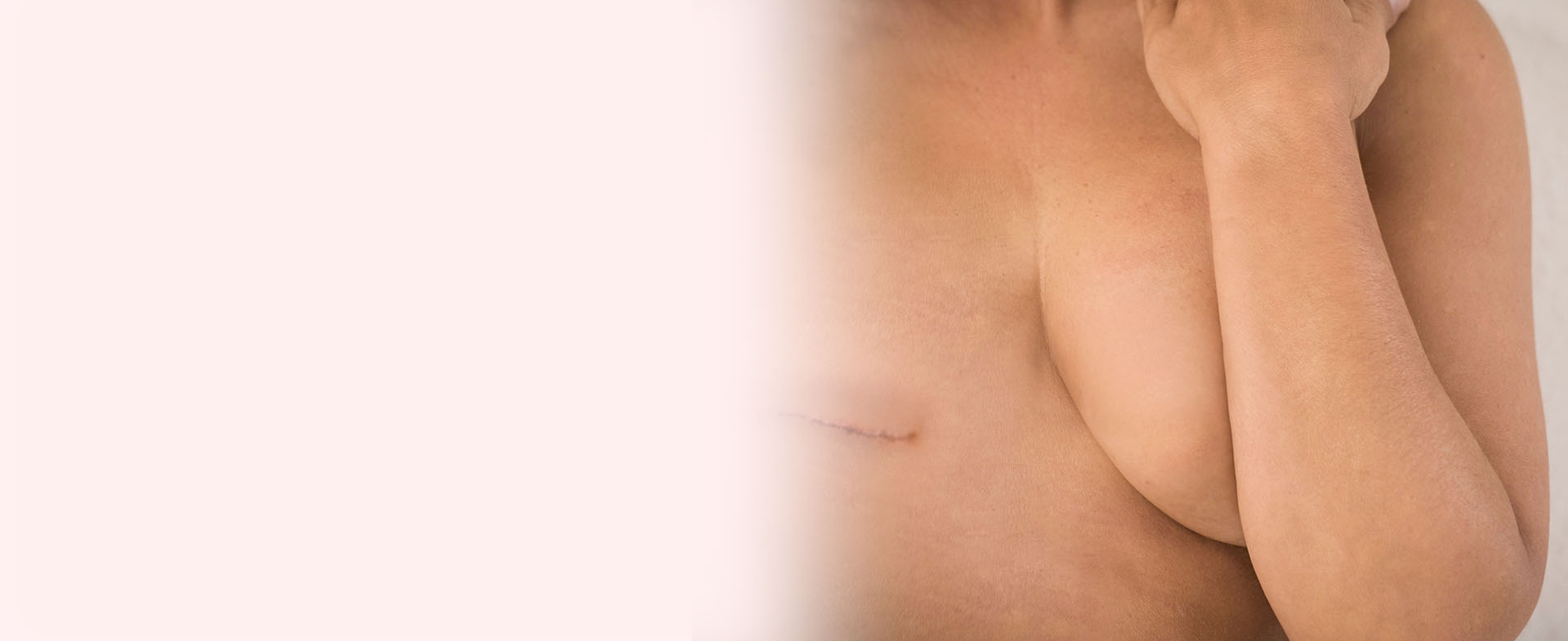
What is DIEP Flap Reconstruction Surgery?
When breast cancer requires the removal of a large portion or one or both breasts, or the entire breast, reconstruction rebuilds the breast mound to look and feel as natural as possible.. The DIEP flap, short for Deep Inferior Epigastric Perforator flap, is an advanced technique available for rebuilding the breast using your own tissue. It is widely considered the gold standard in autologous breast reconstruction.
In a DIEP flap procedure, skin and fat are taken from your lower abdomen—the same area addressed in a tummy tuck—and carefully transferred to your chest to form a new breast. Your abdominal muscles are left intact. Muscle is neither moved nor removed.
The procedure is performed by microsurgeons who reconnect tiny blood vessels under a microscope to ensure the transferred tissue survives and thrives. This level of precision is not available everywhere. DIEP flap surgery is among the most technically demanding procedures in reconstructive surgery, and outcomes are directly tied to surgeon experience and center expertise.
Why Do Women Choose DIEP Flap Surgery?
The DIEP flap offers something no implant can: a soft, warm, and permanent breast built from your own living tissue.
The transferred tissue becomes a natural part of your body, so it moves and changes with you over time. It does not harden, rupture, or require replacement. Since no abdominal muscle is used, you are far less likely to experience the abdominal weakness, bulge, or hernia associated with older techniques like the TRAM flap. Additional benefits include a flatter abdomen from the donor site and the option to restore sensation to the reconstructed breast through nerve repair during surgery.
For women who will need radiation as part of their cancer treatment, autologous reconstruction holds a significant advantage. While radiation can damage implants, your own tissue is far more resilient. Multiple large studies consistently show that women who choose reconstruction with their own tissue report greater satisfaction with their results and better quality of life over the long term, compared to those who choose implants.
Planning Your Surgery
Before your procedure, your surgical team will conduct thorough preoperative planning to ensure the safest, most successful outcome. This includes either a CT angiography (CTA) scan or an MR angiogram of your abdomen, creating a detailed 3D map of the blood vessels that will nourish your new breast. This map allows your surgeon to plan your specific anatomy before the first incision, reducing operating time and improving precision. Your team will also coordinate closely with your breast surgeon, radiation oncologist, and medical oncologist to align your reconstruction plan with your cancer treatment timeline.
What Happens During Surgery
Your surgeon will take skin and fat from your lower abdomen through a horizontal incision along the bikini line, similar to a tummy tuck. The tissue is carefully dissected to preserve the blood vessels that will keep it alive, then transferred to your chest and shaped into a natural breast mound. Under magnification, your surgeon reconnects the tiny blood vessels to ensure reliable blood flow to your new breast.
The procedure is technically complex and may take several hours. For women rebuilding both breasts at once, two surgeons often work simultaneously to reduce operating time and achieve symmetrical results.
Your full reconstruction journey may include additional steps:
- Fat grafting: A minor outpatient procedure in which small amounts of your own fat are injected to refine the shape, smooth contours, or improve tissue quality, which can be particularly helpful in areas affected by radiation.
- Nipple reconstruction: If your mastectomy removed the nipple, it can be recreated using a minor local procedure performed a few months after your reconstruction has fully settled.
- Areolar tattooing: Highly realistic 3D medical tattooing restores natural color and appearance to the nipple-areola area with no additional surgery required.
- Lymphedema prevention or treatment: Women who undergo axillary lymph node dissection face a significant lifetime risk of lymphedema, chronic arm swelling that can affect comfort and function. During your DIEP flap surgery, our team can incorporate lymphatic procedures to reduce this risk or treat existing lymphedema, addressing both concerns in a single operation. Ask your surgeon whether you may be a candidate.
- Post-Mastectomy Pain Syndrome: Some women experience chronic nerve-related pain, numbness, or sensitivity after mastectomy or reconstruction. During revision surgery, targeted nerve procedures can help relieve discomfort and restore sensation by addressing injured or entrapped nerves, providing lasting improvement in quality of life.
Restoring Sensation
One of the most meaningful advances in DIEP flap surgery is the ability to restore feeling to your reconstructed breast.
Mastectomy removes the nerves that once gave the breast its sensation, leaving the area numb, something many women find affects their sense of wholeness and quality of life. Without feeling, there are also practical safety concerns, such as being unable to detect heat or pressure on the skin.
In a neurotized DIEP flap, your surgeon reconnects a sensory nerve from the transferred tissue to a nerve in the chest wall, creating a pathway for sensation to return over time. It adds minimal time to your surgery and carries no additional risk, but the difference it can make in how your breast feels can be significant.
Research and patient-reported outcomes confirm that nerve reconnection improves sensory recovery. This is a widely-used part of our reconstructive approach for appropriate candidates.
What Should I Expect After DIEP Flap Surgery?
Your Hospital Stay
After surgery, you will spend 2–4 days in the hospital, where your care team will closely monitor your reconstructed breast to ensure healthy blood flow to the new tissue. This monitoring is a routine and important part of your recovery, and you will be well supported throughout.
Recovery After Surgery
Remember that your body will be healing in two separate places—your reconstructed breasts and the site of the donor tissue. Recovery time from DIEP flap surgery is generally around 4-8 weeks, at which point most people can resume normal activity.
How Painful is DIEP Flap Surgery?
You may feel tired and sore for several weeks following your DIEP flap, as you would with any significant surgery. The good news is that DIEP flap tends to be less painful than other types of abdominal surgeries since it doesn’t involve moving or removing muscle. Be patient with your recovery, and be sure to slow down and rest if you experience pain.
What to Wear After Surgery
After DIEP flap surgery, you will want to wear comfortable clothing that is loose-fitting so it doesn’t irritate your incisions. Clothes that are easy to get on and off are ideal. You may be asked to wear a compression garment or girdle to support your abdomen. For your breasts, we recommend a surgical bra immediately after surgery, followed by a comfortable support bra as you continue to heal.
Will I Have a Scar?
The incision for DIEP flap surgery runs from hip to hip along the bikini line, and it will leave a mark that is similar to a tummy tuck scar. It could take up to a year for your scars to fade and the tissue to completely heal. It is important to follow your doctor’s care recommendations to ensure the best results.
How Does DIEP Flap Surgery Pair with Implant-Based Reconstruction?
For some women, abdominal tissue alone may not provide enough volume to achieve the desired breast size. In these cases, a DIEP flap can be combined with an implant, giving you the natural feel and durability of your own tissue while achieving the fullness you're looking for.
This combined approach also reduces the risk of implant-related complications, as the flap provides additional tissue coverage over the implant. Your surgeon will discuss whether this option is right for your anatomy and goals during your consultation.
Am I a candidate?
Most women who are planning or have had significant breast cancer surgery can be considered for DIEP flap reconstruction. You may be a good candidate if you:
- Have adequate tissue in your lower abdomen
- Are in reasonably good overall health
- Do not smoke, or are willing to stop smoking well before surgery
- Have not had prior abdominal surgery that affected the key blood vessels; this is why pre-operative imaging is so important
Even women with prior C-sections or minor abdominal scars are frequently good candidates. Women without enough abdominal tissue may be candidates for alternative flap options from the thigh or back. Our surgeons will evaluate all options at your consultation.
Why Expertise Matters
DIEP flap surgery requires a level of training and institutional support that is not available at every hospital or plastic surgery practice. Our microsurgeons work within a dedicated program that provides the equipment, monitoring protocols, and experienced nursing staff this procedure demands.


-min.png)
.webp)







-1.jpeg)

Find a DIEP Flap Surgeon in New Jersey
The Breast Center of New Jersey has locations all over the nation with expert surgeons ready to help you.