Chronic testicular pain affects nearly 100,000 men in the United States each year.
We offer our patients a world-class program and surgical center that specializes in microsurgical procedures for chronic testicular pain relief.
Chronic testicular pain affects nearly 100,000 men in the United States each year.
We offer our patients a world-class program and surgical center that specializes in microsurgical procedures for chronic testicular pain relief.
Chronic testicular pain most commonly appears in men in their mid to late 30s. It is commonly associated with factors such as male factor infertility, lumbar and back pain, chronic prostatitis, stress, and irritable bowel syndrome.

Chronic testicular pain, or orchialgia, is intermittent or constant pain in the scrotum. The pain may come on suddenly and severely, or may be gradual and long-lasting. Often, the pain in the testicle(s) interferes with a patient’s ability to perform daily activities and lasts longer than three months.
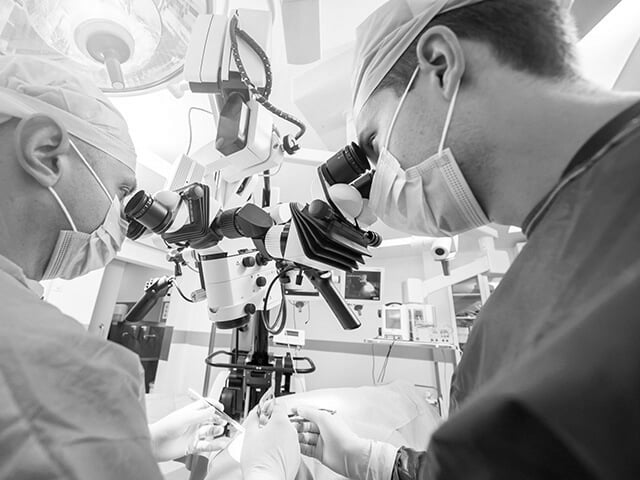
The Institute for Advanced Reconstruction performs microsurgical denervation of the spermatic cord as an advanced surgical technique for treating chronic testicular pain.
Conservative treatment and diagnostic testing should be the first line of defense before a surgical treatment is considered. For patients who are unresponsive to conservative therapies – particularly those who experienced temporary pain relief following a spermatic cord block procedure – microsurgical denervation of the spermatic cord offers hope for profound relief.
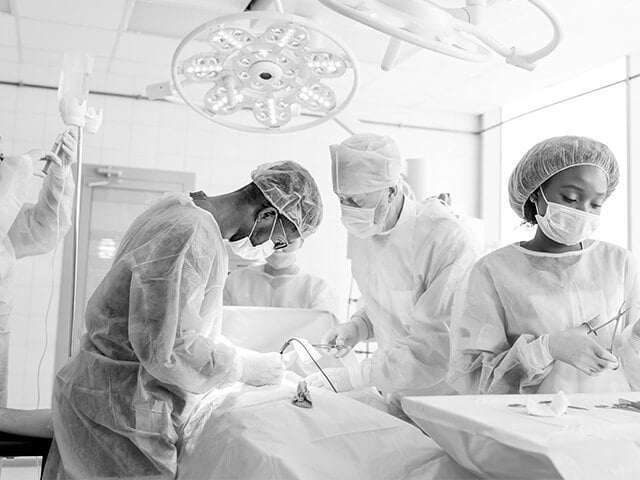
This minimally invasive procedure involves surgically cutting the bundle of vessels, nerves and ducts (known as the spermatic cord) to interrupt pain signals between the testicles and the brain.
Conservative treatment should be the first line of defense before surgery is is considered. If you have other etiologies contributing to the pain or if you did not have a positive response to a spermatic cord block, microsurgical denervation may not be the best treatment option for you. A spermatic cord block that offers relief is a strong indicator that surgery will be an effective treatment.
Other qualifying factors include:
The Institute for Advanced Reconstruction is uniquely positioned as the ‘go-to’ center for revolutionary nerve procedures, as well as world-class reconstructive treatments.
These include cutting-edge procedures such as nerve transplantation that may restore a significant degree of function for those who have suffered from stroke and other forms of paralysis. Patients who at one time believed they had exhausted their paralysis treatment options come from around the country and the globe to our practice in New York City and Red Bank, New Jersey.
The Institute for Advanced Reconstruction is also composed of the Axon Advance Foundation, a non-profit organization focused on new horizons in research, innovation and surgical treatments for peripheral nerve damage and spinal cord injury.
Chronic Testicular Pain, or orchialgia, is defined as an intermittent or constant pain in the testicle or testicles, which lasts longer than three months and interferes significantly with the patient’s daily activities.
As with any illness or injury, the type of treatment selected is potentially a very emotional topic. Because of the complexity of the treatment, we believe that the most important aspect of a search for care is to consider a complete approach to a solution, rather than a solely compartmentalized one.
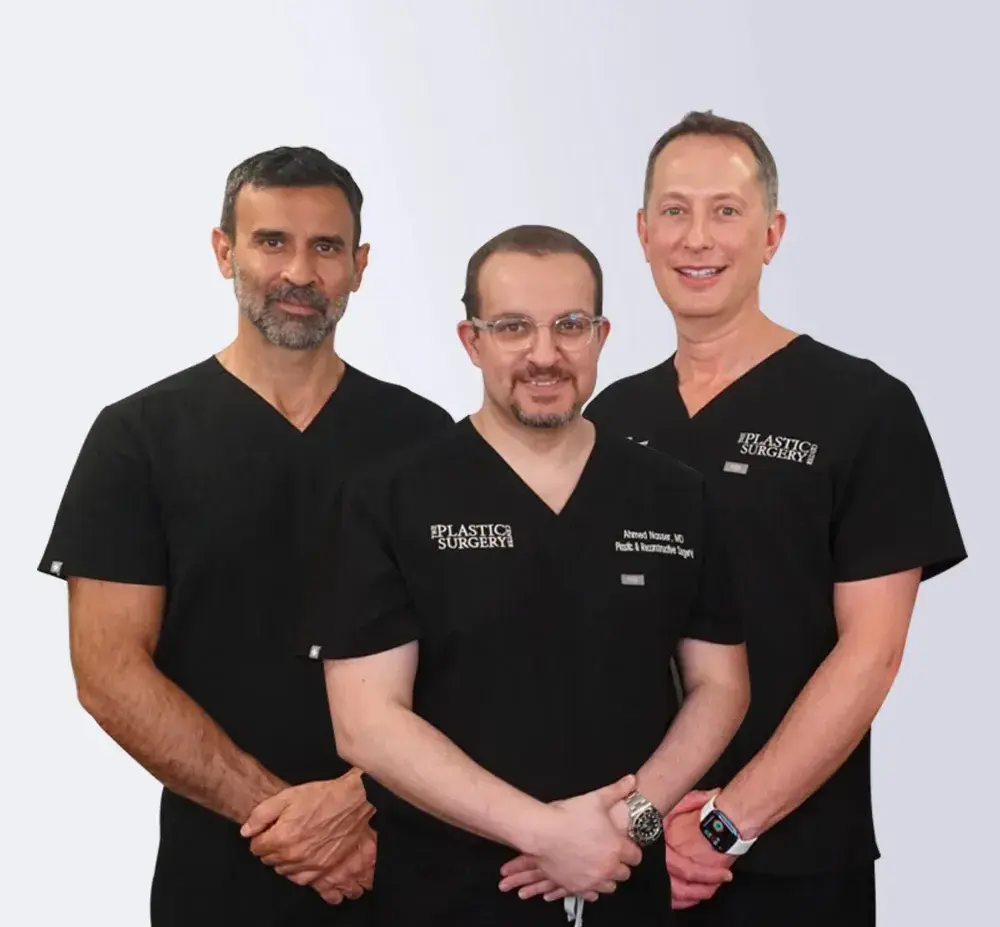
Using a true team approach to care is the hallmark of our practice. You need a team to integrate all the modalities I have described. There are very few institutions that truly use this approach.
Initial treatment occurs via conservative management with the use of anti-inflammatory medications and antibiotics, followed by low dose anxiolytics as well as neuromodulating drugs. Other conservative treatments may include:
Dietary and lifestyle changes (eliminating caffeine, citrus, spices, chocolate, and constipation/ prolonged sitting
If the modalities above do not provide improvement, or patients are seeking a long-term treatment, surgical intervention has shown to provide reliable and successful results.